Maharashtra Makes Housing Society NOC Mandatory for Liquor Shops in Residential Complexes
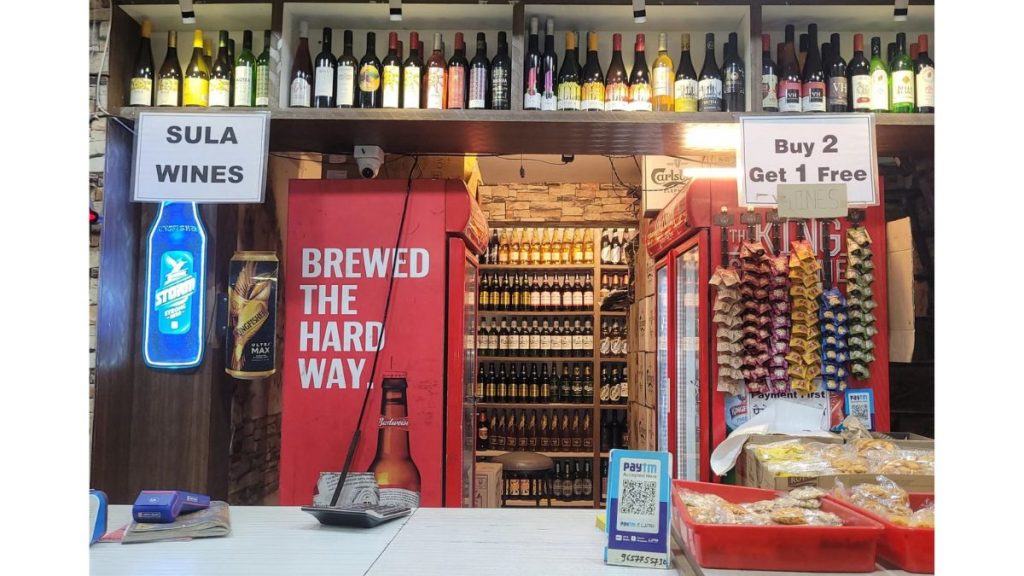
Pune, 7th August 2026: Maharashtra has made it mandatory for liquor shop owners to obtain a No Objection Certificate (NOC) from registered cooperative housing societies before relocating their outlets to residential or mixed-use residential-commercial complexes, giving residents greater control over commercial activities within their premises. The move comes through a fresh notification issued by the state Home Department, which closes a long-standing legal loophole that had allowed liquor shops to operate in housing complexes without the consent of residents.
Under the amended rules, owners of FL-2 (foreign liquor) and CL-3 (country liquor) retail licences will now require a society-issued NOC before shifting their shops to commercial spaces within residential buildings. The notification also makes it clear that this requirement will apply even if the building has only received a Partial Occupancy Certificate (POC), preventing liquor outlets from securing permissions before housing societies are formally established.
The decision is expected to have a significant impact in cities such as Mumbai, Pune and Thane, where residents have repeatedly raised concerns over liquor shops operating on the ground floors of housing societies. Complaints have largely centred around public drinking, crowding, illegal parking, late-night disturbances and safety concerns for families living in the same complexes.
While strengthening the powers of housing societies, the government has also provided relief to licence holders. Once a liquor shop obtains the initial NOC and successfully relocates, it will not be required to seek a fresh NOC every year during licence renewals. The provision aims to prevent unnecessary disputes and avoid the possibility of annual approvals being used as leverage against business owners.
The notification, issued under the Maharashtra Prohibition Act, 1949, has come into force with immediate effect. The state government invoked special powers to implement the amendments without following the usual prior publication process, citing the need for immediate enforcement.
The policy has drawn mixed reactions. Housing society representatives have welcomed the move, saying it empowers residents to decide the nature of commercial establishments operating within their communities. On the other hand, liquor traders’ associations have expressed concerns that mandatory society approval could make it difficult for licence holders, particularly those displaced due to redevelopment or Slum Rehabilitation Authority (SRA) projects, to find new premises despite complying with excise regulations.