Maharashtra Mountaineering Federation’s Fort Models Played Key Role in UNESCO Recognition
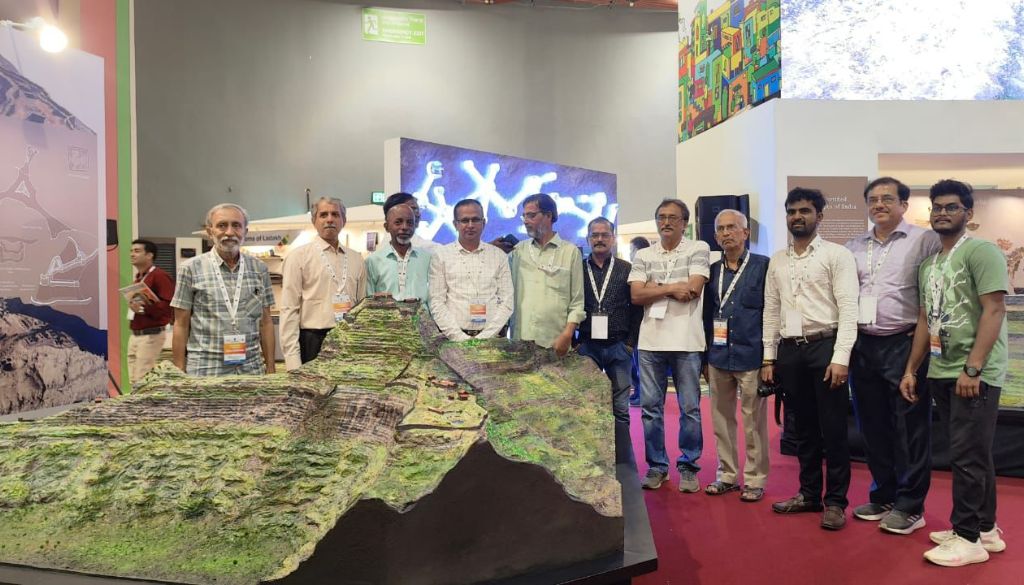
Pune, 15th July 2025: India’s heritage received a major boost as 12 iconic Maratha-era forts were officially inscribed into the UNESCO World Heritage List at the recently concluded 47th session of the World Heritage Committee in Paris. Playing a significant behind-the-scenes role in this achievement was the Akhil Maharashtra Giryarohan Mahasangh (All Maharashtra Mountaineering Federation), which meticulously crafted and presented scale models of these historic forts to global delegates at a pivotal UNESCO event in 2024.
The journey began at the 46th session of the UNESCO World Heritage Committee, hosted at Bharat Mandapam in New Delhi in July 2024. There, the Mahasangh unveiled detailed architectural models of all 12 forts, captivating over 1,000 international delegates with their precision and craftsmanship.
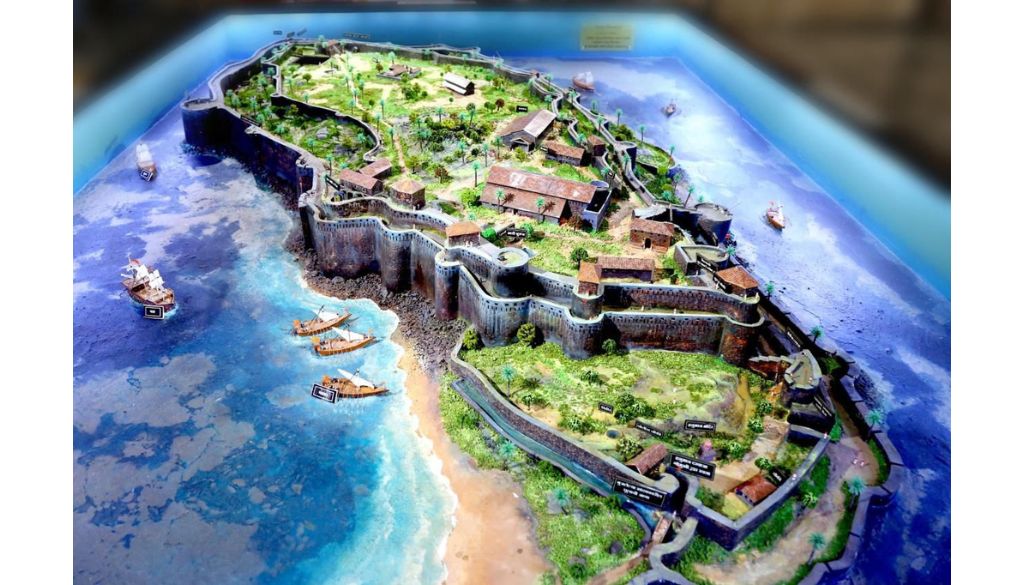
The initiative took root in 2022, when architects Rajan Bagwe and Aparna Bhatte guided the creation of the first two models—Sindhudurg and Vijaydurg—brought to life by artist Ramesh Balurgi in Sangli. Displayed at the Vidhan Bhavan in Mumbai, these models caught the attention of the state’s Department of Culture, which recognized their potential in supporting the UNESCO nomination.
Encouraged by this response, the federation was tasked with preparing models for the remaining ten forts. A technically rigorous process followed—drone surveys, contour mapping, site visits, and blueprint drafting enabled the team to recreate the forts with remarkable accuracy. Federation researchers measured everything from bastions to broken ruins and turned data into detailed architectural sketches.
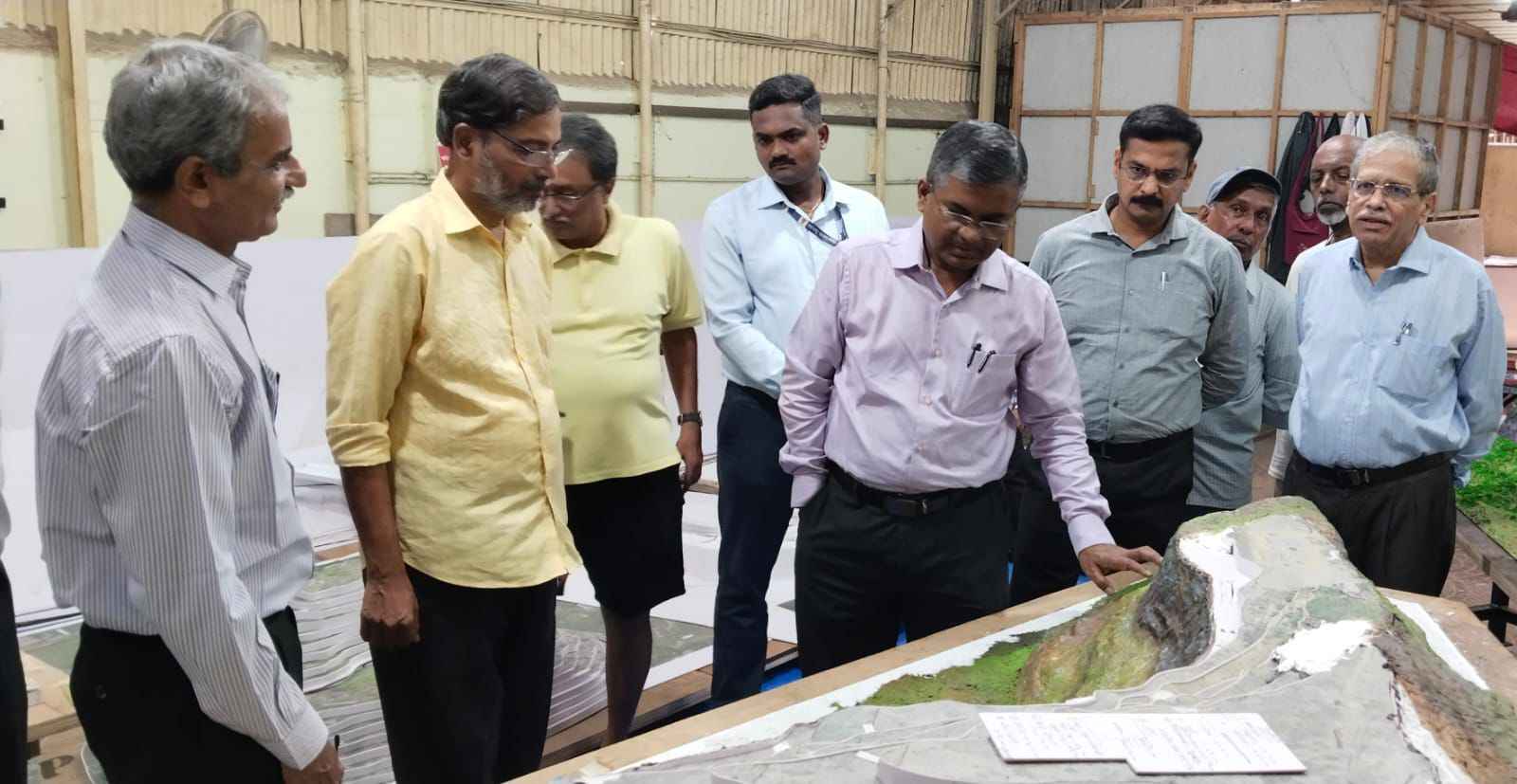
Model-making became a collaborative mission. As Balurgi had not personally visited all the forts, early work was done in coordination at his Sangli studio. Later, operations shifted to Maharashtra Seva Sangh in Mulund, Mumbai, where a core team of passionate volunteers—including Shridhar Dalvi, Rajesh Pednekar, Ramesh Bhide, Shivaji Guram, Prasad Gogate, Sanjay Neve, Bharat Yadav, Vinod Mhatre, Mangesh Kadam, and Nrupendra Pol—worked tirelessly under Balurgi’s guidance. They built structural frames, sculpted terrain features, and painted miniature palaces, homes, and fort walls. Renowned commercial artist Ramesh Borawankar also contributed to the aesthetic refinement of the models.
Over two and a half months of nonstop effort culminated in the models being carefully packed in three large containers and transported to Delhi. There, under the leadership of Hrushikesh Yadav, they were impressively displayed during the UNESCO convention. Delegates from across the world praised the models for their quality, depth, and authenticity.
The models, combined with support from the Government of Maharashtra and the Archaeological Survey of India, helped bolster India’s case for inscription. Federation president Umesh Zirpe, along with Madhav Phadke and Kiran Deshmukh, played crucial roles in overseeing the project’s execution.
Zirpe extended heartfelt thanks to every volunteer who contributed to this historic initiative. “Their dedication and craftsmanship were instrumental in conveying the cultural and historical significance of these forts to the world,” he said.