Maharashtra: MSEDCL Supplies 1,000 MWh of Battery-Stored Power, Claims First in India
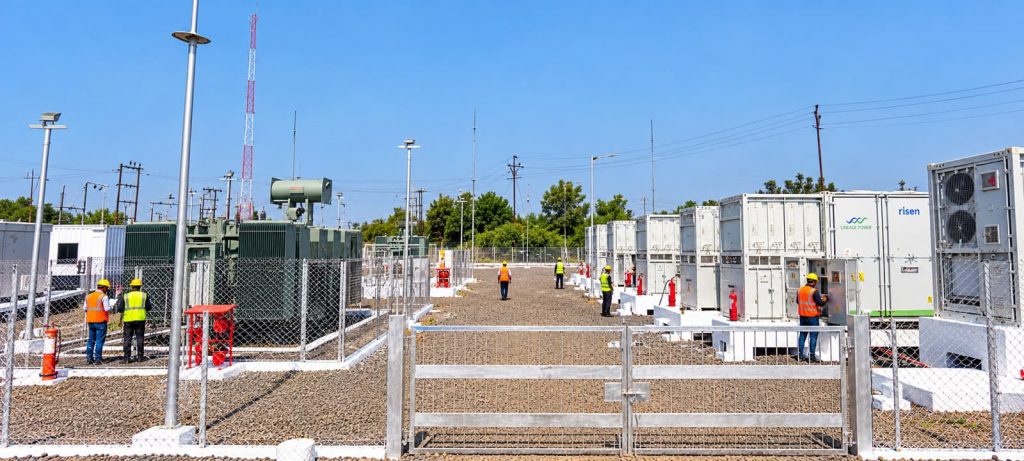
Mumbai, 29th October 2026: The Maharashtra State Electricity Distribution Company Limited (MSEDCL) has achieved a milestone by supplying 1,000 megawatt-hours (MWh) of electricity through battery energy storage systems, helping meet peak evening demand amid rising power consumption and reduced rainfall in Maharashtra.
The stored electricity comes from surplus solar power generated under the Mukhyamantri Saur Krishi Vahini Yojana 2.0, which aims to provide daytime solar power to agricultural pumps. According to MSEDCL, the initiative enables surplus solar energy to be stored during the day and supplied during periods of high demand in the evening.
Lokesh Chandra, Additional Chief Secretary to the Chief Minister and Chairman and Managing Director of MSEDCL, said the company had become the first in India to supply power on this scale through battery storage integrated into a decentralised distribution network. He said the initiative was particularly beneficial amid increased electricity demand and drought-like conditions in parts of the state.
Chandra said the Mukhyamantri Saur Krishi Vahini Yojana 2.0, spearheaded by Chief Minister Devendra Fadnavis, was helping transform Maharashtra’s power supply system.
Approximately 7,000 MW of decentralised solar power capacity has been commissioned under the scheme, with the electricity primarily supplied to agricultural pumps.
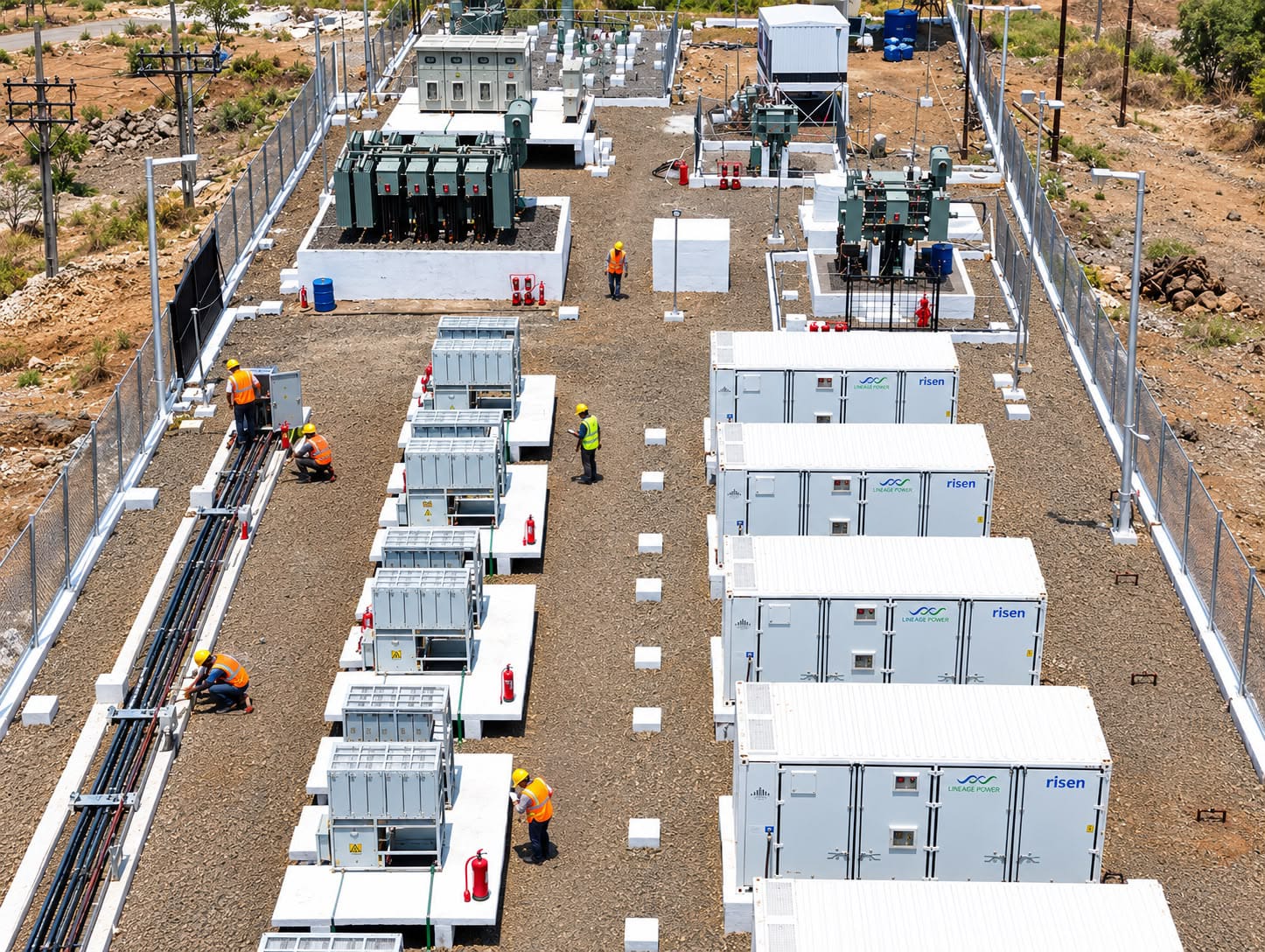
Under its Battery Energy Storage System (BESS) initiative, MSEDCL has made 500 MW of battery storage capacity operational. With the systems capable of supplying power for two hours, this translates into an energy storage capacity of 1,000 MWh. The initiative, implemented following the Chief Minister’s directives, is intended to benefit consumers across different categories.
Rising Power Demand Drives Battery Storage Push
Reduced rainfall associated with the El Niño phenomenon has contributed to hotter conditions and increased electricity demand in October. While solar power provides relatively economical electricity during daylight hours, utilities often need to procure power at higher rates after solar generation declines in the evening.
MSEDCL’s battery storage projects are intended to address this gap by storing surplus solar energy for use during peak demand periods, reducing dependence on costlier electricity purchases from the market.
The utility has planned battery storage projects with a total power capacity of 750 MW, capable of supplying electricity for two hours. This would provide an overall storage capacity of 1,500 MWh. Of this, projects accounting for 1,000 MWh are already operational, while the remaining capacity is expected to be commissioned by the end of December 2026.
In addition, projects with a further storage capacity of 4,000 MWh are under development, according to MSEDCL.
The projects are expected to help ensure a more reliable power supply during peak evening hours while procuring electricity at costs lower than prevailing market rates. The initiative is expected to be particularly useful during the summer season, when electricity demand typically rises.
Battery Storage Projects Across 50 Locations
MSEDCL said it was the first power distribution company in India to implement 1,000 MWh of battery storage capacity integrated into a decentralised distribution network.
The operational projects comprise battery storage systems, each with a power capacity of 10 MW, deployed at 50 locations across Maharashtra.
The Battery Energy Storage System initiative marks a step towards integrating renewable energy with energy storage infrastructure. By storing surplus solar electricity and supplying it when demand peaks, the systems are expected to improve the utilisation of renewable energy and support the state’s electricity supply requirements.