New Six-Lane Greenfield Expressway to Cut Pune–Bangalore Travel Time to Seven Hours
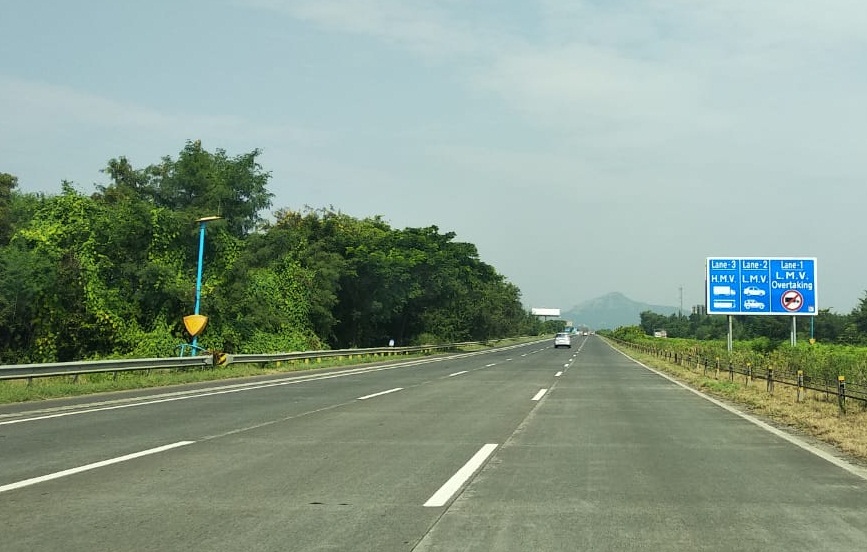
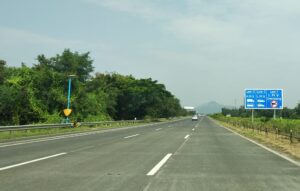
Pune, 9th November 2025: In a major infrastructure initiative aimed at easing traffic congestion on the busy Pune–Bangalore highway, the National Highways Authority of India (NHAI) has proposed the construction of a new six-lane greenfield expressway between the two cities. The proposal has been submitted to the central government for approval.
The project, stretching 699 kilometres in total, will cover 206 kilometres within Maharashtra, and is expected to cost around ₹42,000 crore. Once approved, the expressway will be completed within three years, officials said.
According to preliminary details, the new greenfield expressway is expected to significantly reduce pressure on the existing Pune–Bangalore highway, which faces heavy congestion due to increasing vehicular traffic and industrial development along the corridor.
In Pune, the new expressway will be linked to the Pune Ring Road being developed by the Maharashtra State Road Development Corporation (MSRDC). The ring road will begin at Khopi and include the section between Kelvade on the Urse stretch of the Mumbai–Pune Expressway and the Satara Road. Officials said discussions will be held with Chief Minister Devendra Fadnavis to integrate this section with the proposed greenfield expressway.
The new corridor will allow vehicles to travel at speeds of up to 120 kmph, reducing travel time between Pune and Bangalore to seven hours. The project also includes plans to construct a five-kilometre-long emergency airstrip near both cities and connect the route through a grade-separated interchange for smoother traffic movement.
Officials believe the Pune–Bangalore greenfield expressway will not only decongest the existing route but also boost economic development in the underdeveloped regions along its path, spurring new industrial and logistics opportunities.
Once completed, the project is expected to offer faster, safer, and more efficient travel between two of India’s key technology and industrial hubs.