Objections to Pune Ward Structure Spark Protests Over SC Reservation
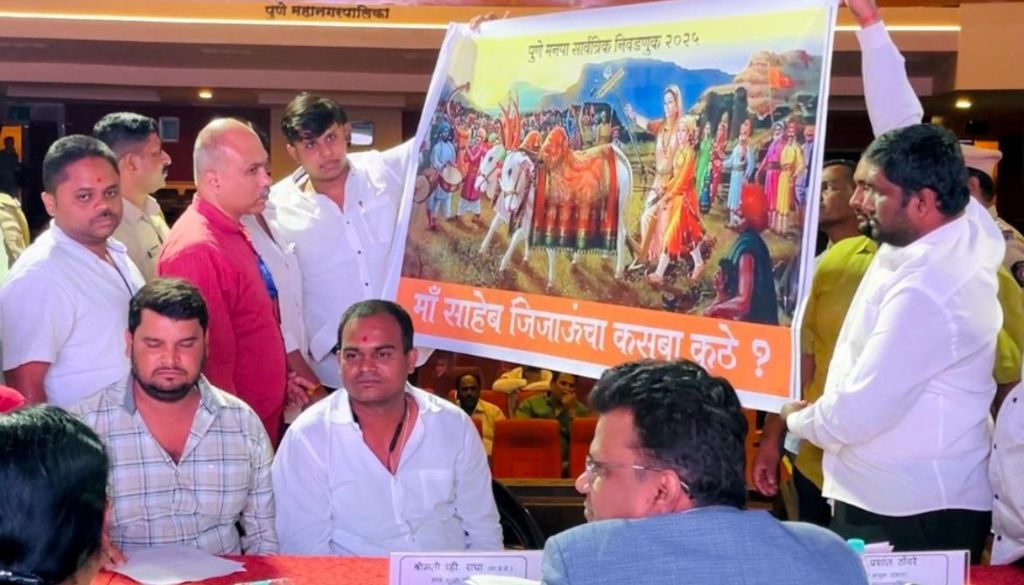
Pune, 11th September 2025: The hearing on objections and suggestions to the draft ward structure for the upcoming Pune Municipal Corporation (PMC) elections witnessed tense moments on Thursday, as citizens and party workers accused the ruling BJP of manipulating boundaries to alter Scheduled Caste (SC) reservations.
At the hearing on Ward No. 24 Kamala Nehru Hospital–Rasta Peth, activists from across parties raised slogans such as “May Dr. Babasaheb Ambedkar win” and “Follow the Election Commission guidelines” at the Balgandharva Rangmandir. Protesters alleged that geographical continuity had been broken and areas with significant SC populations were excluded from the ward, undermining social justice and the purpose of reservation.
“Areas like Mangalwar Peth, Gadi Tal, Juna Bazar, and Bhim Nagar, which have had Scheduled Caste reservations for nearly 50 years, have been deliberately altered. In the previous election, Ward No. 16 had around 14,000 SC residents; the new structure has reduced this to just 8,047,” objectors said, accusing a BJP leader of dividing the population for political gain.
Massive Objections Filed
The draft proposes 165 corporators across 41 wards, with 40 wards having four members each and the Ambegaon-Katraj (Ward 38) having five. A total of 5,922 objections and suggestions were received.
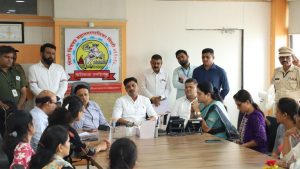
Thursday’s hearing, presided over by Additional Chief Secretary (GAD) V. Radha, examined objections from Wards 1 to 29. PMC Commissioner Naval Kishore Ram, Additional Commissioner Omprakash Divate, Deputy Commissioner Prasad Katkar, and Prashant Thombre were present.
Out of 2,920 objections received for the 29 wards, only 540 objectors appeared in person, with Ward 24 registering the highest participation—85 objectors presented their case.
Demands for Fair Delimitation
Most objections revolved around ensuring natural and geographical continuity, aligning ward boundaries with main roads instead of inner lanes, and protecting existing SC reservation areas.
Protesters urged the state to adhere strictly to the State Election Commission’s guiding principles, warning that the new structure risked eroding representation for marginalized communities.