Pune: PMC Eyes Public-Private Partnerships for Hospitals, Sports Complexes, and Civic Plots
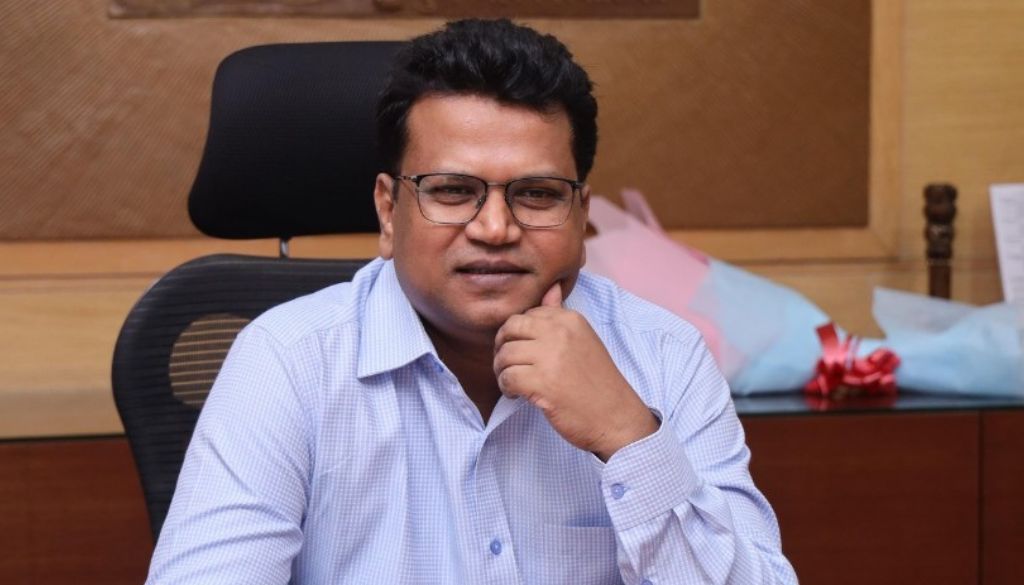
Pune, 12th September 2025: Pune Municipal Commissioner Naval Kishore Ram has urged real estate developers to back his plans for restructuring how the Pune Municipal Corporation (PMC) manages its properties.
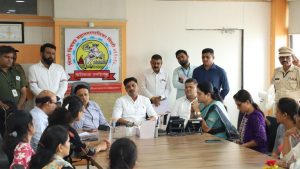
Speaking at a conclave hosted at JW Marriott, Ram said he is prepared to take “bold steps” to unlock the city’s revenue potential by putting underutilised civic assets to productive use.
Highlighting the growing gap between expenditure and income, Ram pointed out that the civic body maintains nearly a thousand properties at an annual cost of around Rs 4,000 crore, while generating barely Rs 2,000 crore in return. “This is an unsustainable model,” he said. Giving an example, he noted: “The Yerawada auditorium is one of the finest in Maharashtra, yet we rent it out for just Rs 1,000 a day, even though it costs us Rs 2,000 daily to maintain. This mismatch exists across our properties.”
The commissioner criticised the undervaluation of civic properties, saying the fear of public backlash often prevents officials from taking constructive action. Referring to amenity plots, he remarked: “Across Pune, thousands of amenity spaces are reserved for hospitals, schools, sports complexes or parking, but many of them end up as dumping grounds. The hesitation comes from the fear that if we allocate them, people will say a scam has happened. But we cannot let policy be dictated by fear.”
Ram argued that public-private partnerships (PPP) could offer a solution. “If a plot is earmarked for a sports complex and PMC lacks the resources, private developers should be allowed to build it, run it, and share revenue with PMC while maintaining its public purpose,” he said. Stressing the need to change perceptions, he added: “People react as if PPP is a bad word. Unless we allow credible private participation, how will Pune progress?”
He assured that any projects under PPP would be handled transparently and appealed to stakeholders for support in the face of expected criticism. “When objections are raised, I’ll need the development community and citizens to stand with us,” he said.
Over the past few years, PMC has adopted PPP models in sectors such as road construction and other infrastructure, helping to bridge funding shortfalls and speed up project delivery. However, civic groups caution that PPP projects require strong regulation to ensure public benefit and prevent misuse.
In August 2021, PMC approved a policy to lease over 270 amenity spaces to private players for up to 90 years, with provisions for limited commercial use. The move sparked protests from NGOs and citizen groups who argued that such long-term leases compromise the public nature of civic spaces.
Following a public interest litigation (PIL), the Bombay High Court in February 2022 directed PMC to specify in all new layout approvals that the final outcome would depend on the PIL’s resolution. Activists continue to warn that the policy could weaken civic infrastructure, particularly in newly merged city areas.