PMC Elections 2026 Seat Prediction: BJP Leads, NCP (Ajit–Sharad) Combine Gains Ground
Reported by Mubarak Ansari
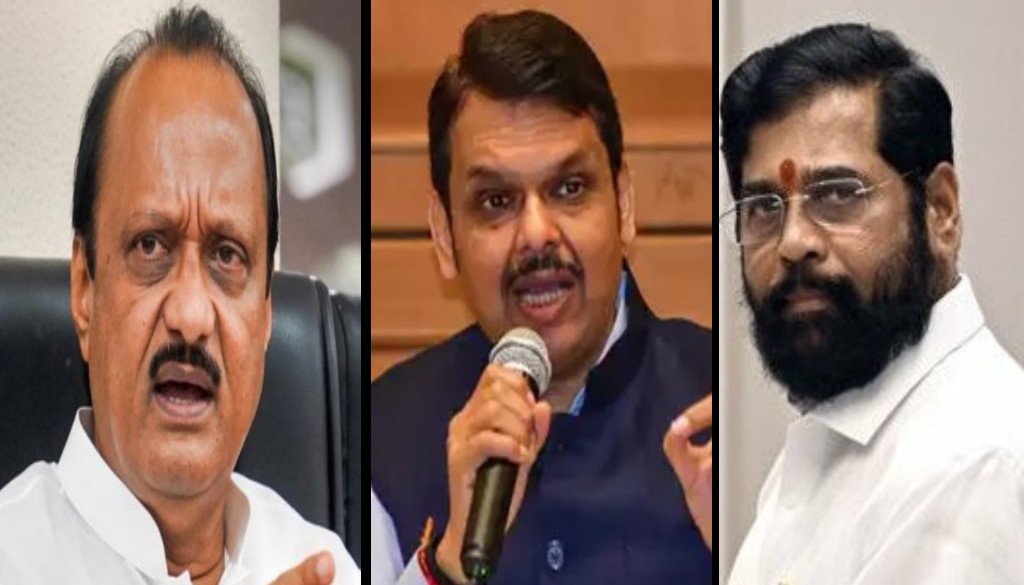
Pune, 15th January 2026: Analysis of online voter sentiment, social media discussions and digitally shared ground-level conversations suggests that the Bharatiya Janata Party (BJP) is likely to emerge as the single largest party in the Pune Municipal Corporation (PMC) Elections 2026.
However, the contest appears fragmented, with the Nationalist Congress Party (NCP) combine and the Shiv Sena led by Eknath Shinde emerging as major contenders.
Based on sentiment trends observed across platforms such as X (formerly Twitter), Facebook, citizen forums and WhatsApp groups, BJP is estimated to secure between 65 and 72 seats in the 162-member PMC. Online discussions frequently cited the party’s organisational strength, disciplined cadre and sustained campaign visibility, particularly in newly developed suburbs and middle-class residential areas.
The NCP combine, with factions led by Ajit Pawar and Sharad Pawar contesting together, appears to have consolidated its traditional voter base.
Sentiment analysis indicates that the joint contest helped prevent vote division and strengthened the party’s prospects in several wards. The NCP is estimated to win between 40 and 50 seats, with stronger traction reported in older city areas, cooperative housing belts and traditional residential pockets where civic issues dominated voter conversations.
The Shiv Sena led by Deputy Chief Minister Eknath Shinde, contesting independently, is projected to emerge as an important third force.
Online voter chatter suggests that the party benefited from strong local candidates, Marathi voter consolidation and welfare-oriented messaging. Based on sentiment indicators, the Shinde-led Sena is estimated to secure between 15 and 20 seats, positioning it as a potential kingmaker if no party secures a clear majority.
Shiv Sena (UBT) is estimated to win between 8 and 12 seats. While the party retains influence in select pockets, online discussions suggest that multi-cornered contests and candidate-level factors limited its broader impact across the city.
Congress is expected to win 5-10 seats.
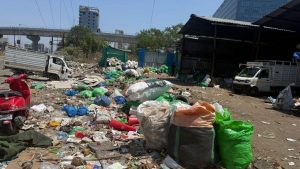
Independent candidates and smaller parties are expected to collectively secure between 6 and 10 seats. Many voters online indicated a preference for accessible local representatives over party affiliation, particularly in wards facing persistent issues such as waterlogging, traffic congestion, garbage management and redevelopment disputes.
Overall, online voter sentiment points to a closely fought PMC election with no clear one-sided wave. Anti-incumbency appears to be directed more at individual corporators than political parties, raising the possibility of narrow margins and a post-result alliance-driven power structure. With vote counting scheduled to begin at 10 am on January 16, all eyes will be on whether BJP can translate its sentiment advantage into a majority or if PMC heads towards a coalition-led administration.