Pue: WiFEX Celebrates a Decade of Revolutionizing Fog Forecasting and Aviation Safety in India
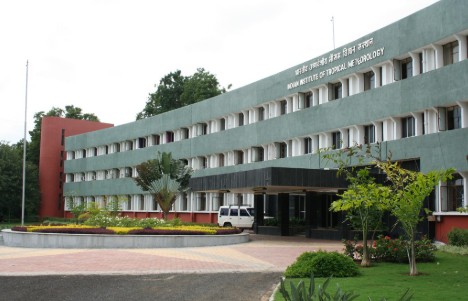
Pune, 22nd July 2025: The Indian Institute of Tropical Meteorology (IITM), Pune, operating under the Ministry of Earth Sciences (MoES) — has marked ten years of its landmark initiative, the Winter Fog Experiment (WiFEX), which has transformed how dense winter fog is understood and forecasted across northern India.
First launched in 2015 at Indira Gandhi International Airport (IGIA) in New Delhi, one of the most fog-affected airports globally, WiFEX set out to scientifically explore the triggers, duration, and impact of thick winter fog. This phenomenon has long been a major disruptor for air, rail, and road networks across the densely populated Indo-Gangetic Plain.
Since its inception, WiFEX has evolved into a comprehensive, multi-site observational program. It now spans other strategic locations such as Jewar Airport in Noida and Hisar in Haryana, extending coverage across vital air travel corridors. Backed by the India Meteorological Department (IMD) and the National Centre for Medium Range Weather Forecasting (NCMRWF), the program employs cutting-edge technology — including micrometeorological towers, ceilometers, and high-frequency sensors — to capture fine-scale atmospheric data.
Among WiFEX’s standout contributions is its development of a high-resolution (3 km) probabilistic fog forecast model. Known for its over 85% accuracy in predicting extremely dense fog conditions (visibility below 200 meters), the model has greatly improved the quality of forecasts. This advancement has proved especially beneficial to pilots and aviation authorities, helping minimize flight delays, reroutes, and other disruptions during winter’s fog-heavy periods.
WiFEX has also expanded its research scope to explore how fog interacts with air pollution, aerosols, urban heat islands, and changing land use patterns — offering valuable insights for urban development and environmental policy-making.
Looking to the future, IITM is preparing to roll out WiFEX-II, the next phase of the project. This upgraded version will include runway-specific fog forecasting tools at several North Indian airports. Real-time sensor data will allow airport authorities to plan more effectively during fog events, thereby reducing operational challenges and enhancing safety for travelers.
With a decade of impactful research and practical outcomes behind it, WiFEX showcases India’s growing expertise in climate science and weather prediction. The program is a shining example of how collaborative scientific efforts can lead to real-world improvements — from more secure skies to better-informed urban planning.