Pune: Adv. Mukesh Zende Explains How Global Geopolitical Conflicts Could Drive Maharashtra’s Real Estate Growth

Pune, 10th September 2026: Global geopolitical conflicts are reshaping the way companies invest, manufacture and plan their long-term operations, and this could have an indirect impact on Maharashtra’s real estate market.
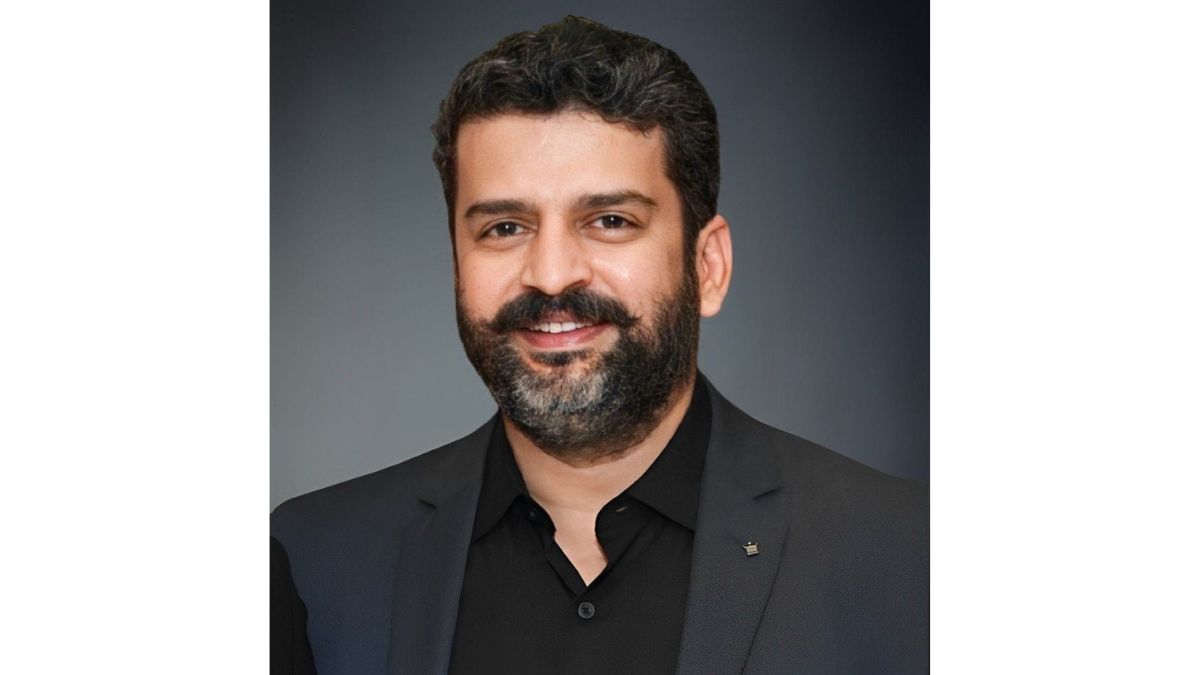
Analysis by Adv. Mukesh Bajirao Zende, Founder and Principal Consultant at TOSS Legal, a consultancy that works across title ownership search and scrutiny, real estate and redevelopment advisory and related legal matters. Zende’s analysis looks at how the movement of global capital and the restructuring of international supply chains could create new opportunities for Maharashtra.
As companies look to reduce dependence on concentrated manufacturing hubs and adopt strategies such as China Plus One, India could become an important alternative destination. Maharashtra, with its established industrial base, skilled workforce, connectivity and large consumer market, is particularly positioned to benefit.
The impact on real estate could extend beyond industrial properties. Greater manufacturing and corporate activity can create demand for warehouses, logistics facilities, offices, housing and supporting commercial developments.
Pune could be among the cities to watch. Its established automobile and engineering ecosystem, along with its growing technology, research and global capability-centre sectors, gives it multiple sources of potential demand. Other locations including Chakan, Talegaon, Ranjangaon, Nashik, Nagpur and Navi Mumbai could also benefit from increased industrial and logistics activity.
Infrastructure is another key factor. Projects such as the Mumbai Trans Harbour Link, Navi Mumbai International Airport, Samruddhi Mahamarg and Pune Ring Road can improve connectivity and potentially increase the attractiveness of surrounding areas.
However, geopolitical conflict itself is not a growth driver. The opportunity lies in how companies and investors respond to global uncertainty. For Maharashtra, the question is whether its infrastructure, industrial capacity and urban ecosystems are strong enough to capture that shifting capital.