Pune Airport Marks 2025 as Year of ‘Decisive Transformation’ with New Terminal and Record Cargo Growth
Shukrawar Peth, 31st December 2025: A day after filing his nomination, Bharatiya Janata Party candidate Kunal Tilak on Wednesday carried out an intensive outreach programme in the Shukrawar Peth area, meeting booth in-charges and party office bearers from Ward No. 25 of Pune Municipal Corporation (PMC) at their residences.
The visits focused on assessing the ground-level political situation ahead of the upcoming municipal elections. Discussions centred on booth-wise preparedness, key civic issues faced by local residents, and organisational requirements needed to strengthen the party’s campaign in the ward.
Interacting directly with grassroots workers, Tilak outlined the BJP’s position on local governance, highlighted development works undertaken in the area so far, and shared the party’s vision and roadmap for future planning. He emphasised the importance of effective coordination at the booth level to ensure smooth election management and voter outreach.
The meetings underlined the party’s strategy of reinforcing its organisational structure through direct engagement with workers. A collective resolve was expressed to reach every voter in the ward through a planned, coordinated and positive campaign, with a strong focus on addressing local concerns and maintaining constant communication with citizens.Viman Nagar, 1st January 2026: Pune Airport has concluded 2025 with a significant overhaul of its operations and infrastructure, marking the year as one of “decisive transformation.” Under the guidance of Minister of State for Civil Aviation and Cooperation and Pune MP, Murlidhar Mohol, the airport successfully transitioned to its New Integrated Terminal Building (NITB) while recording substantial growth in passenger traffic and cargo movement.
Terminal Overhaul and Passenger Experience
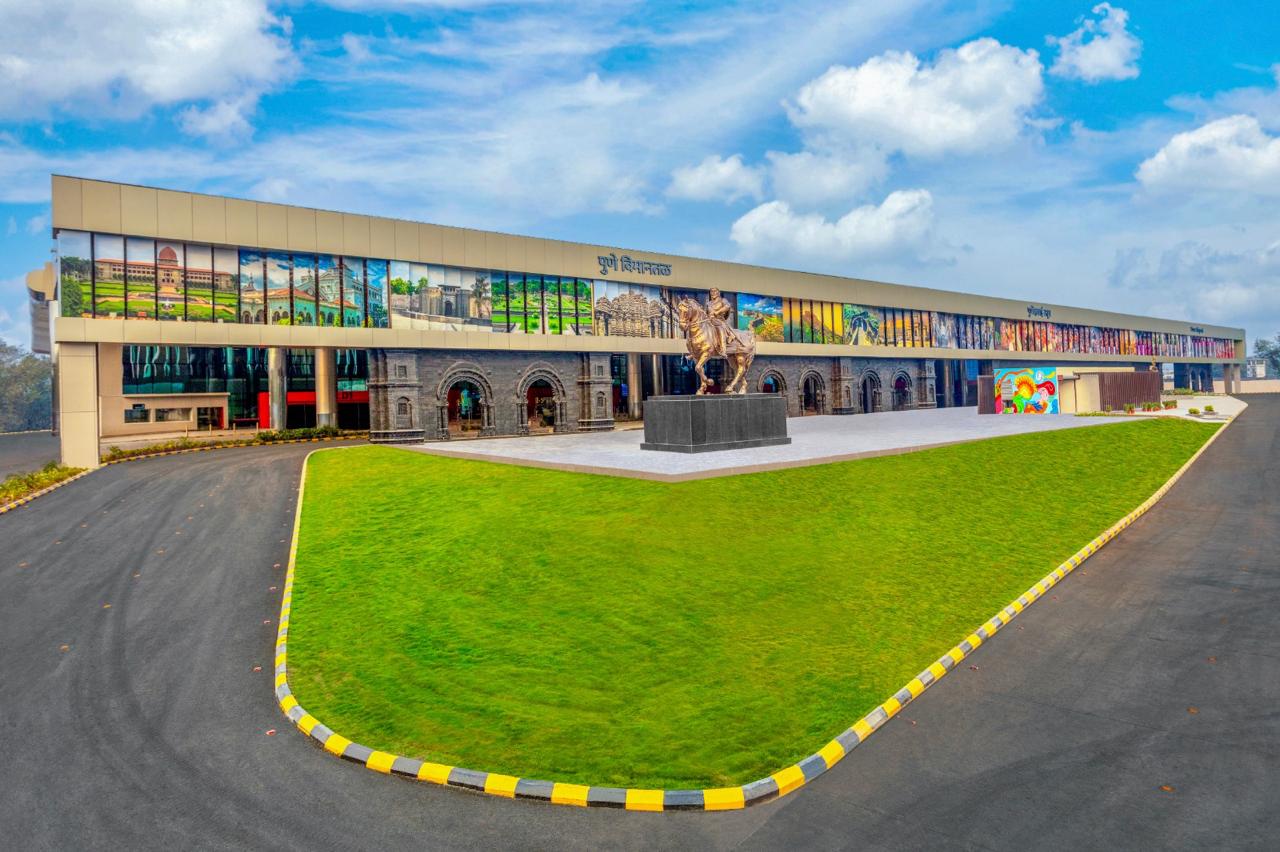
The defining milestone of the year was the complete shift from the Old Terminal Building (OTB) to the NITB. The new facility spans 52,000 square meters—more than double the size of the previous 22,300-square-meter terminal. This expansion has increased peak-hour passenger handling capacity from 2,340 to 3,000, informed Pune Airport Director Santosh Dhoke.
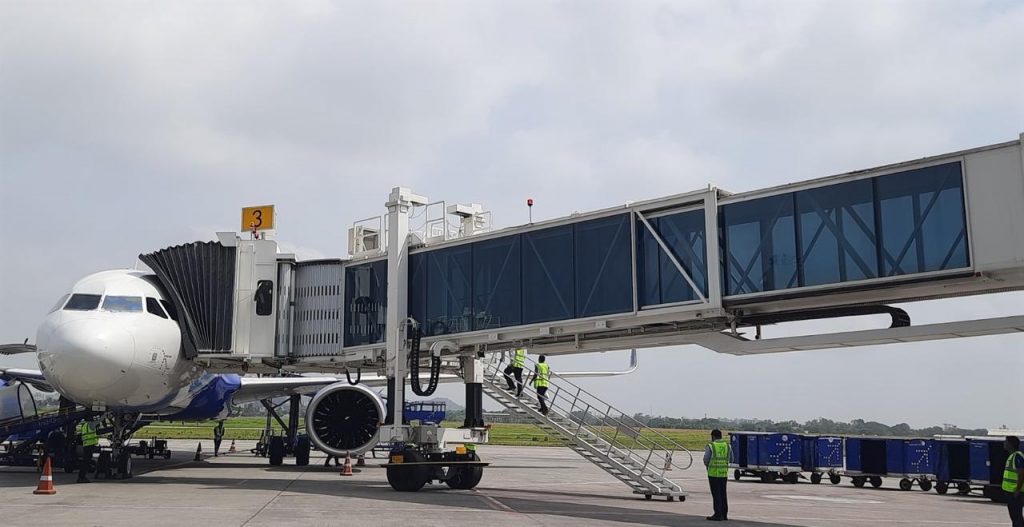
Officials report that the new terminal has significantly eased congestion through wider concourses, improved wayfinding, and the installation of 10 Passenger Boarding Bridges (aerobridges), which have reduced the reliance on bus boarding. Accessibility has also been prioritized with the addition of 15 elevators and eight escalators.
Traffic and Operational Growth
Despite the logistical challenges of transitioning terminals, the airport reported robust operational growth. Data released by the airport reveals:
Flight Movements: Increased by 5.1%, rising from 67,484 in 2024 to 70,992 in 2025.
Passenger Traffic: Grew by 6.1%, reaching nearly 10.86 million passengers compared to 10.23 million the previous year.
Passenger satisfaction appears to have improved alongside the infrastructure. In the Airports Council International (ACI) Airport Service Quality (ASQ) survey, Pune Airport saw its global ranking climb from 59th to 56th, making it the highest-rated airport operated by the Airports Authority of India (AAI) globally for the year.
Commercial and Employment Surge
The expansion has sparked a boom in commercial operations. The number of retail and food outlets jumped from 28 to 83, a 196% increase over the old terminal’s baseline. This commercial expansion has driven employment numbers up nearly fourfold, with commercial staff strength rising from approximately 170 to 675 personnel.
Cargo Operations Reach New Heights
Beyond passenger services, Pune Airport has solidified its status as a regional logistics hub. Total cargo handling surged by 23.8%, increasing from 40,149 metric tonnes in 2024 to 49,718 metric tonnes in 2025. Domestic cargo was the primary driver, heavily supported by the auto parts and pharmaceutical sectors, which accounted for approximately 30% of the volume each, Dhoke added.
Sustainability Initiatives
The NITB has achieved a GRIHA 4-Star rating, incorporating a 567-kilolitre rainwater harvesting system and a sewage treatment plant for water reuse. Energy efficiency measures include extensive use of skylights and 20,000 square meters of roofing designed to reduce heat gain.
As 2025 closes, airport authorities state that the facility is now positioned as a “future-ready gateway,” capable of supporting sustained growth while delivering a consistent, high-quality travel experience.