Pune: Andar Maval Emerges as Monsoon Hotspot as Thousands of Tourists Flock to ‘Mini Kashmir’
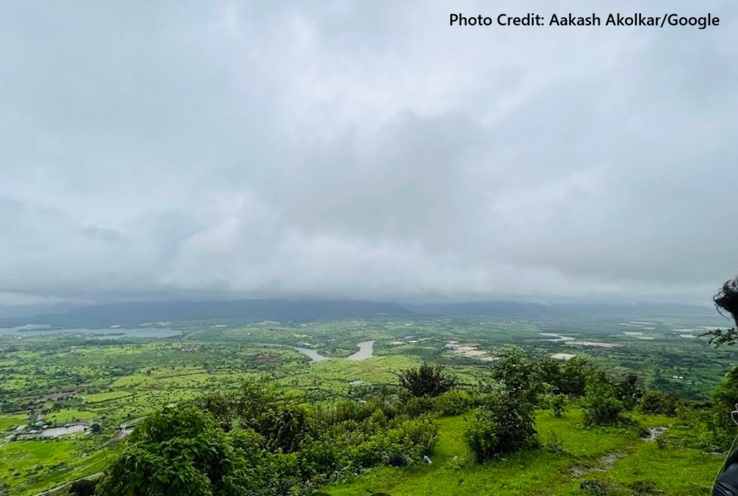
Talegaon Dabhade, 13th July 2026: Nestled in the Sahyadri ranges of Pune district, the scenic Andar Maval region has once again transformed into a major monsoon tourism destination, drawing thousands of nature lovers, trekkers, photographers and weekend travellers from across Maharashtra.
Known as the “Mini Kashmir” of Maval, the region has come alive with lush green landscapes, mist-covered hills, overflowing streams, cascading waterfalls and brimming reservoirs following the onset of the monsoon. As a result, large numbers of visitors from Pune, Mumbai, Thane, Nashik and other parts of the state are flocking to the area, particularly on weekends and public holidays.
The picturesque journey into Andar Maval via the Kanhe Phata–Takve route itself has become part of the attraction. Verdant fields, rolling hills blanketed in mist and rain-soaked countryside offer breathtaking views that captivate visitors from the moment they enter the region.
Among the most popular attractions is the Thokalwadi Dam, where the full reservoir and surrounding greenery have become a favourite spot for tourists. The tranquil surroundings of the Tata Dam are also attracting visitors looking for peaceful natural retreats.
Meanwhile, Khandi Plateau has emerged as one of the busiest destinations during the monsoon season. The plateau offers panoramic views of the Konkan region, drifting clouds and spectacular waterfalls plunging from the surrounding hills, making it a preferred destination for trekkers, photographers and nature enthusiasts.
Apart from these well-known locations, the villages and surrounding areas of Vadeshwar, Bhajgaon, Mormarwadi, Nagathali, Kusur, Bhoyare, Savla, Dahuli, Inglun and Borivali are witnessing a steady influx of visitors eager to explore their numerous waterfalls, flowing streams, green farmlands and mist-covered mountain ranges.
The region is not only becoming a sought-after monsoon getaway but is also gaining recognition for birdwatching and nature studies. Several vantage points in Andar Maval offer magnificent views of Rajmachi Fort, Dhak Bahiri, Kusur Ghat and the majestic Sahyadri mountain ranges.
Photography enthusiasts have been arriving before sunrise to capture the mist-laden valleys, dramatic landscapes and seasonal waterfalls through their lenses.
However, the increasing tourist footfall has also raised concerns over visitor safety and environmental conservation.
The administration has appealed to tourists to avoid taking selfies at dangerous cliff edges, entering fast-flowing waterfalls or streams, visiting prohibited areas, driving under the influence of alcohol and littering the fragile ecosystem with plastic waste.
“Tourists should not risk their lives by venturing into dangerous locations. They must avoid entering strong waterfall currents, restricted areas and should strictly follow traffic regulations. Drunken driving must be avoided. Visitors should enjoy monsoon tourism responsibly without indulging in reckless behaviour,” said Gajanan Tompe, Divisional Police Officer, Lonavala.
Authorities have also urged visitors to cooperate with local officials and follow safety advisories to prevent accidents during the peak monsoon season.
The surge in tourism is simultaneously providing a significant boost to the local economy. Villagers are benefiting from increased sales of hot snacks such as bhajis, vada pav, roasted corn, tea and other local delicacies.
Local youth are also earning income by operating parking facilities, offering tourist guidance and providing other travel-related services.
Residents say rural tourism has opened new employment opportunities while encouraging sustainable economic activity in the region.
With its breathtaking waterfalls, misty mountains, rich biodiversity and tranquil landscapes, Andar Maval continues to strengthen its reputation as one of Maharashtra’s most picturesque monsoon destinations.
Authorities, however, stress that preserving the region’s natural beauty and ensuring visitor safety remain shared responsibilities of both tourists and local stakeholders.