Pune Blackout During the 1971 Indo-Pak War: A City Gripped by Wartime Drill
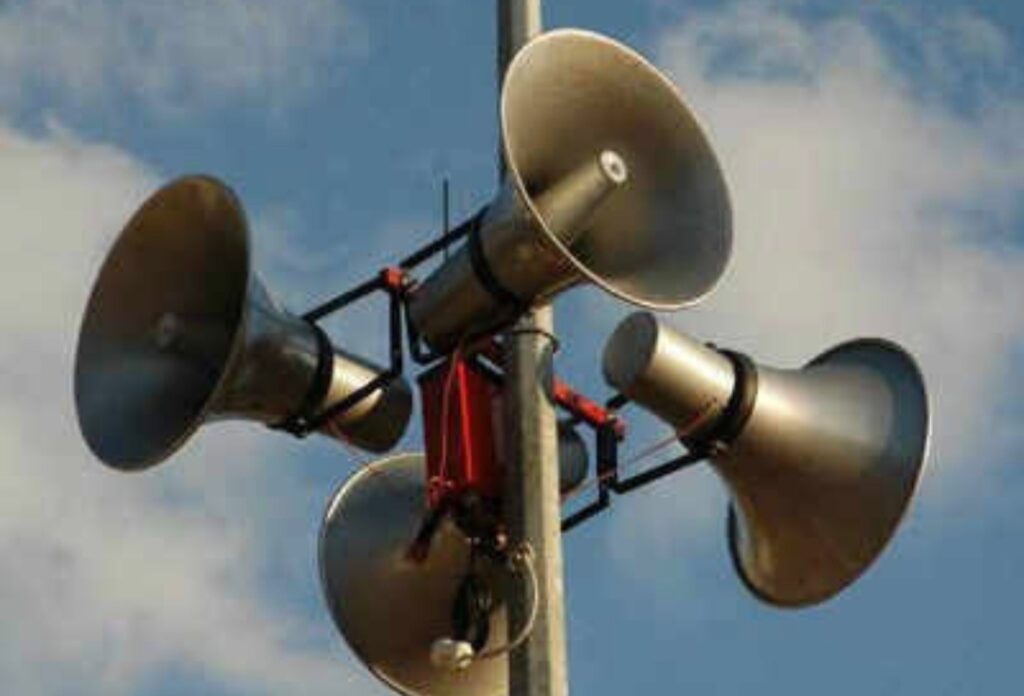
Pune, 6th May 2025: While the 1971 India-Pakistan war raged along the borders, its tremors were felt far from the frontlines. In Pune, hundreds of kilometers away from the battlefield, residents were thrust into the tension of war through a three-day blackout and unexpected air raid sirens—part of a nationwide civil defence drill initiated by the Indian government.
In the early hours of December 4, around 1:30 a.m., a piercing air raid siren broke the silence of the night in Pune, jolting the city awake. Panic spread among residents, many fearing a real aerial attack had begun. Almost immediately, a citywide blackout was enforced. Lights were switched off, traffic came to a standstill, and Pune was plunged into darkness.
But it wasn’t a one-off. For three consecutive nights, Pune remained under a strict blackout as the administration conducted mock drills to simulate wartime scenarios. These included air raid sirens, blackout enforcement, and emergency preparedness exercises—designed to ready civilians for a potential enemy strike.
Despite the anxiety, Pune’s citizens responded with remarkable discipline and calm. Residents followed instructions diligently, displaying solidarity and restraint even amid fears of escalation.
The mood of the city—and the country—was captured vividly in the media. The Sakal newspaper’s December 4, 1971, edition ran with headlines such as “Air Raid Sirens in Mumbai,” “Siren in Pune at 1:30 a.m.,” and “Instructions for Blackout,” reflecting the tension gripping Maharashtra.
The same edition also carried extensive coverage of national and international developments. It reported Prime Minister Indira Gandhi’s strong message on India’s readiness for war, the Indian Air Force’s operations against Pakistani aircraft, naval engagements in the west, and troop advances toward the Bangladesh front.
Though meant as precautionary drills, the sudden darkness and shrill sirens unsettled many—particularly the elderly, women, and children. The exercises, while necessary, served as a stark reminder of the uncertainty and volatility that marked one of the most pivotal moments in the subcontinent’s modern history.