Pune: Check Infrastructure Capacity Before Allowing New Construction, Vandana Chavan Urges PMC
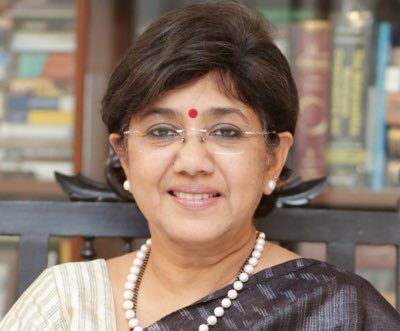
Pune, 7th September 2026: With the city witnessing a rapid increase in construction activity following higher Floor Space Index (FSI) provisions, NCP (SP) leader and former MP Vandana Chavan has urged the Pune Municipal Corporation (PMC) to stop granting permissions for new construction unless the capacity of basic civic infrastructure is assessed first.
Chavan submitted a memorandum to PMC Commissioner Naval Kishore Ram, pointing to the civic body’s estimate that around 6.50 crore square feet of construction could take place within PMC limits over the next four years. She said the scale of construction permitted under the Unified Development Control and Promotion Regulations (UDCPR) could place further pressure on the city’s already strained infrastructure.
According to Chavan, construction permissions are being granted without adequately assessing the impact on roads, public transport, drainage, solid waste management and other essential services. She said the regulations need to be implemented keeping in mind the carrying capacity of individual areas and their existing infrastructure.

She also pointed to the rapid rise of multi-storey buildings, with structures ranging from five, seven and nine floors to 15-20 storeys coming up in several parts of the city. While higher FSI has been permitted along Metro corridors, she said the supporting road and civic infrastructure in these areas has not been strengthened correspondingly.
Chavan said the effects of rapid urbanisation were already visible in the form of worsening traffic congestion, inadequate footpaths, poor road conditions, clogged drains, encroachments and delays in garbage collection. Continuing to approve large-scale construction without addressing these deficiencies, she warned, would put further pressure on basic amenities.
She demanded that the PMC immediately stop granting permissions for large construction projects and higher FSI in areas where civic amenities are inadequate. She also called for a comprehensive assessment of the capacity of public transport, drainage, solid waste management, electricity supply, schools, healthcare facilities and open spaces before allowing further construction.