Pune: Citizens Lose Money to Fake Websites While Booking HSRP, Warn Pimpri Chinchwad Cyber Police
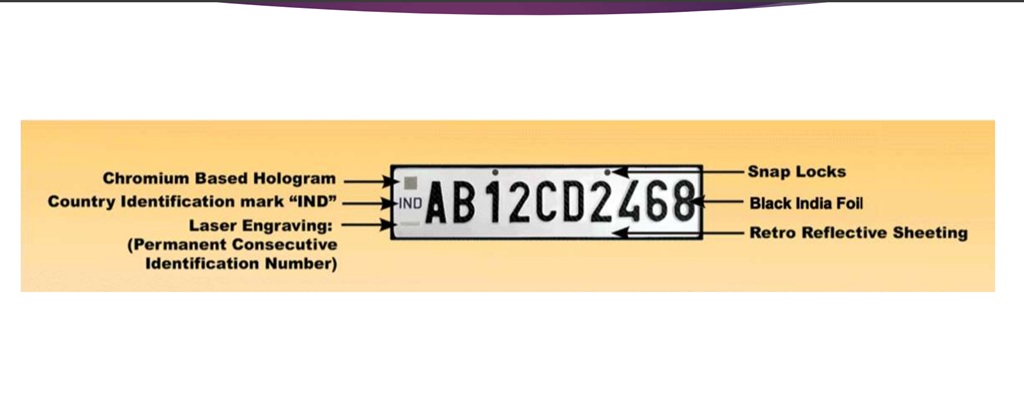
Pimpri Chinchwad, 8th April 2025: Vehicle owners attempting to comply with the government’s directive to install High-Security Registration Plates (HSRP) are falling prey to online scams, according to the Pimpri Chinchwad cyber police. Fraudsters are reportedly creating deceptive websites that closely resemble official portals, tricking users into making payments for HSRPs that are never delivered.
So far, cybercrime investigators in Pimpri Chinchwad have registered two cases involving such fraudulent platforms. Victims have reported financial losses while attempting to book their HSRPs online.
“In one case, the victim lost ₹1,500 and another person lost ₹4,000 after making payments through links found on fake websites,” said Senior Inspector Ravikiran Nale of the Cyber Crime Cell. “These fraudulent websites are designed to mimic the official transport department site, making it difficult for users to distinguish between real and fake.”
Inspector Nale explained that victims are often misled by search engine results. “One complainant clicked on the top result during an online search for HSRP registration. He entered all required details and paid using a UPI method, but never received a confirmation. That’s when he realised he had been scammed,” he added.
The Maharashtra state government has mandated the installation of HSRPs for all vehicles registered before April 2019. The deadline to comply with the rule is June 30, prompting a surge in online bookings — a factor being exploited by cybercriminals.
An official from the Regional Transport Office (RTO) emphasized the need to use only the legitimate platform for bookings. “Vehicle owners must visit the official transport department website — https://transport.maharashtra.gov.in — and click on the HSRP link from the homepage to proceed with payment and registration,” the officer advised.
Authorities have urged the public to remain cautious, verify website URLs, and avoid clicking on sponsored links or unfamiliar web addresses when making online transactions related to HSRPs.