Pune: CSIR-NCL Unveils Rapid Test Kit to Detect Toxic Adulteration in Toddy; Technology Licensed for Statewide Production
Reported by Akshata Pawar
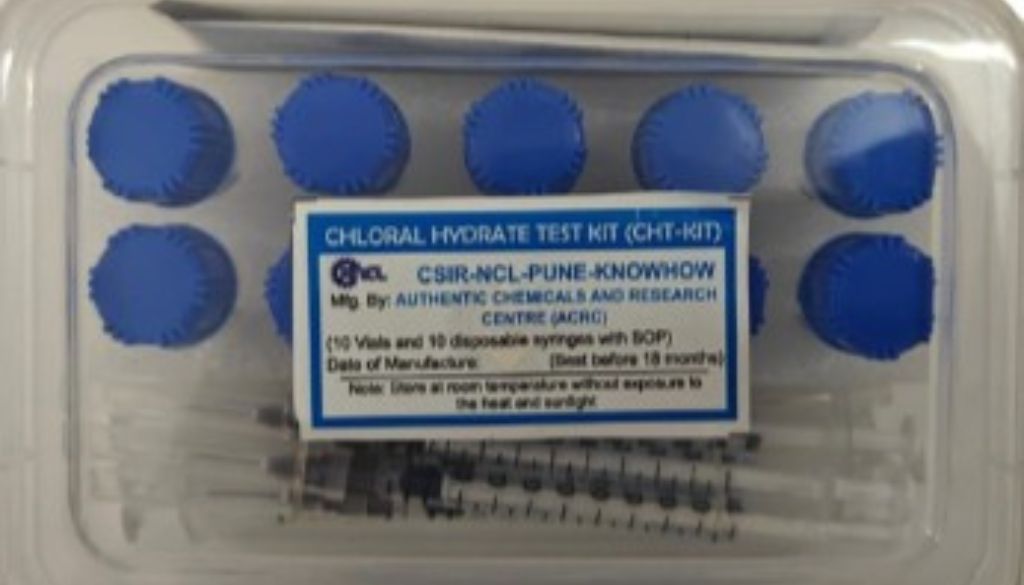
Pune, 9th December 2025: In a significant stride toward ensuring safer beverages for consumers, the CSIR–National Chemical Laboratory (CSIR-NCL) has introduced a rapid, colour-based test kit capable of instantly identifying chloral hydrate adulteration in Toddy, an issue that has raised serious health and regulatory concerns across Maharashtra. The newly developed Chloral Hydrate Test Kit (CHT-KIT) has now been officially licensed to the Authentic Chemicals and Research Centre (ACRC-TEM), Tembhurni, paving the way for large-scale production and deployment.
Toddy, a naturally fermented drink traditionally tapped from Toddy trees and sold through government-regulated outlets, typically contains 5–6% ethyl alcohol along with natural nutrients. But complaints over suspected adulteration prompted the Maharashtra Government to form a special committee comprising excise officials, CSIR-NCL scientists, Toddy suppliers, and independent experts. Their investigation revealed a worrying pattern: several samples contained chloral hydrate, a banned chemical associated with severe health risks.
Serious Health Hazards Linked to Chloral Hydrate
Once ingested, chloral hydrate metabolizes into trichloroethanol and trichloroacetic acid—both known for their toxic and carcinogenic properties. These compounds can trigger a range of adverse effects, including:
-Skin inflammation and rashes
-Vomiting, gastric irritation and ulcers
-Potential organ damage
-Life-threatening coma in severe cases
All three compounds are recognised carcinogens, making adulteration a major public health threat.
Traditionally, excise teams relied on laboratory analysis or bulky equipment, slowing down enforcement and limiting sample checks. CSIR-NCL’s CHT-KIT addresses these bottlenecks with a simple, instant, visual detection method.
How the CHT-KIT Works:
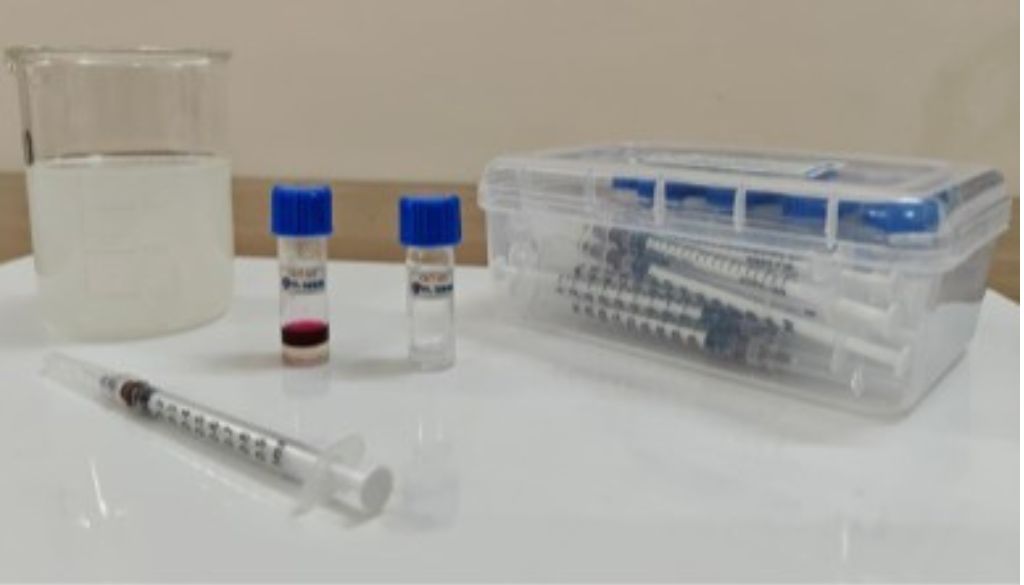
The kit includes specific chemical reagents in a defined mixture.
When a Toddy sample with chloral hydrate at concentrations of 10 mg/L or higher is added, the solution turns pink immediately.
Absence of a pink colour confirms the sample is safe.
The test is fully field-compatible and requires no specialised skills. The Forensic Science Laboratory (FSL), Government of Maharashtra, has validated and approved the kit’s accuracy.
Following successful demonstrations to excise authorities, CSIR-NCL transferred the production technology to ACRC-TEM, enabling manufacture and distribution across Maharashtra. Officials say the kit will help enforcement agencies conduct more frequent checks, curb unsafe adulteration, and ensure Toddy sold through licensed outlets meets safety standards.
With its rapid results and ease of use, the CHT-KIT is expected to transform Toddy-quality monitoring in the state. CSIR-NCL researchers believe the innovation will bolster regulatory oversight and significantly reduce public exposure to harmful chemicals.