Pune Flooding Risk Grows as Drainage Network Covers Only 13% of City Roads
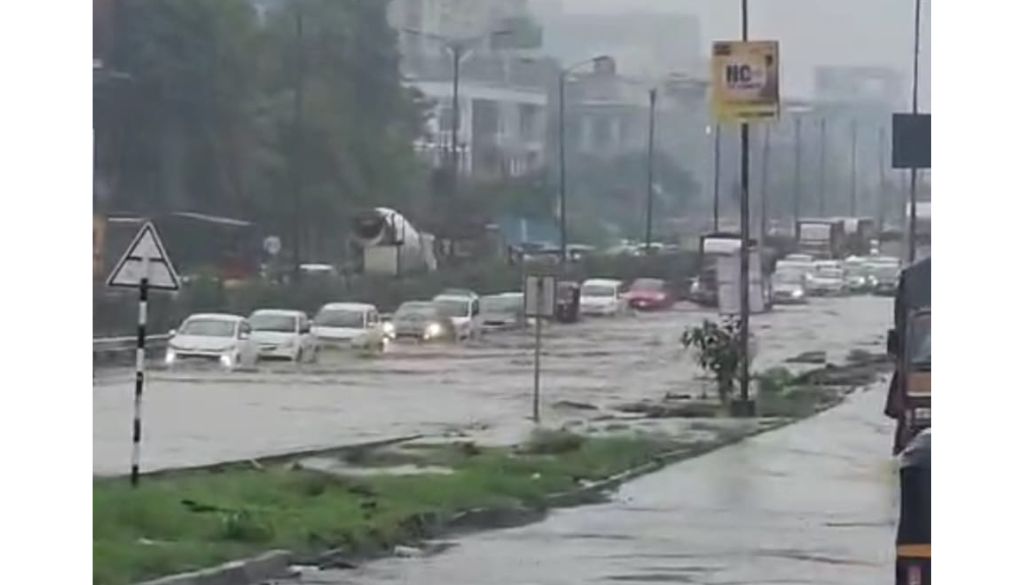
Pune, 4th April 2026: Rapid environmental changes and shifting rainfall patterns over the past few years have led to a sharp rise in flash floods across Pune, making life increasingly difficult for residents. Citizens say that frequent flooding during heavy rains is turning daily life into a struggle.
The city’s stormwater drainage system appears highly inadequate compared to its expanding infrastructure. While Pune has around 2,400 kilometres of roads, the total length of stormwater drains is just 323 kilometres—only about 13 per cent of the road network. Moreover, these drains are capable of handling rainfall of only 35 to 55 mm per hour, making the city vulnerable to flooding during heavier downpours.
In recent years, incidents of intense, cloudburst-like rainfall within short periods have increased. This has resulted in waterlogging in several areas, leading to loss of life as well as significant property damage. Experts suggest that the stormwater drainage network needs to be expanded to at least 50 per cent of the road length to effectively manage such situations.
However, the pace of infrastructure development remains slow, with only 1 to 2 kilometres of new drainage lines being added each year. The situation has become more complex after the expansion of the municipal limits to 518 square kilometres following the merger of 32 villages into the city.
Geographically, Pune’s old city areas resemble a basin, with low-lying central regions where rainwater naturally accumulates. Many major roads still lack proper drainage due to space constraints. In addition, most of the existing drains are 20 to 25 years old and have limited capacity.
In several locations, improper connections between stormwater drains and sewage lines have worsened the situation, causing water to enter residential areas through drainage chambers during heavy rainfall.
According to guidelines issued by the Central Public Health and Environmental Engineering Organisation (CPHEEO), stormwater drains should be designed to handle rainfall of up to 116 mm per hour and have a diameter of around 1,200 mm. However, most drains in Pune are only about 600 mm in diameter, highlighting the gap between recommended standards and the current infrastructure.
Municipal Commissioner Naval Kishore Ram acknowledged the challenge, stating that the existing drainage system is inadequate and that long-term measures will be required to tackle the growing problem of urban flooding in the city.