Pune Ganeshotsav 2026: Ganpati Pandal In Pune Recreates Karnataka’s Historic Chennakeshava Temple
Reported by Radhika Sharma and Rishi Sahu
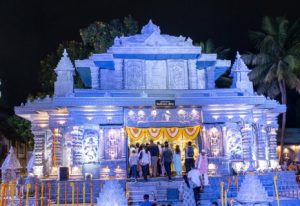
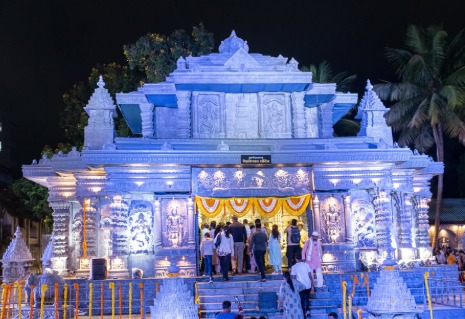
Pune, 17th September 2026: As Ganeshotsav moves towards its final days and preparations for Visarjan intensify, several Ganpati mandals across Pune have put up elaborate themed pandals. Among them is the Chhatrapati Raja Ram Mandal in Sadashiv Peth, which has recreated the architecture of the Chennakeshava Temple in Belur, Karnataka, as this year’s Ganpati pandal.
The Chennakeshava Temple, also known as the Keshava Temple, is a historic temple dedicated to Lord Vishnu and is known for its intricate carvings and detailed Hoysala-era architecture. The Pune pandal draws from these architectural elements, recreating the temple’s ornate façade and sculptural details for devotees visiting the mandal during Ganeshotsav.
The mandal has been following a tradition of recreating prominent temples and pilgrimage sites from different parts of India as its Ganpati pandals. The initiative is intended to introduce visitors to the architectural features of these historic places while incorporating them into the annual Ganeshotsav celebrations.
According to Mandal President Yuvraj Nibalkar, the tradition began around a decade ago. “We take inspiration from iconic temples and tirtha shetras from across the country and recreate them. The idea came when, 10 years ago, they made a rule that DJs would have to stop after 10 pm. So, we decided that despite that, we would ensure that we did something that kept the festivities and celebrations grand,” he said.
This year’s structure features detailed replicas inspired by the stone sculptures and carvings found at the original Chennakeshava Temple. The recreated elements include ornamental patterns and sculptural motifs associated with the temple’s architecture, giving the pandal a distinctly temple-inspired appearance.
The original Chennakeshava Temple was commissioned in the 12th century under the Hoysala rulers and is regarded as an important example of Hoysala architecture. Its walls and pillars are known for their extensive stone carvings depicting deities, mythological figures, animals, dancers and scenes from everyday life.
While the original temple is built in stone and forms part of Belur’s historic temple complex, the Sadashiv Peth pandal uses temporary materials and crafted replicas to recreate selected architectural elements within the Ganeshotsav setting.
The mandal’s approach also places the focus on Indian temple architecture alongside the religious celebrations. Visitors coming to offer prayers to Lord Ganesha can view the recreated structure and its decorative details, while the original temple remains a significant architectural and cultural site in Karnataka.
With the Visarjan processions set to mark the conclusion of the festival, the themed pandals across Pune continue to provide different interpretations of the city’s annual Ganeshotsav celebrations, combining traditional worship with temporary artistic and architectural installations.