Pune Hosts CARA Western Zone Workshop on Adoption of Children with Special Needs
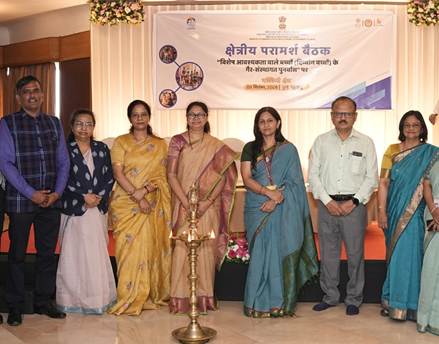
Pune, 3rd September 2026: The Central Adoption Resource Authority (CARA), under the Ministry of Women and Child Development, Government of India, held its fourth regional consultation for the Western Zone in Pune on Thursday to discuss ways to improve adoption and family-based rehabilitation of children with special needs.
The consultation was conducted jointly with the Government of Maharashtra and the State Adoption Resource Agency (SARA), Maharashtra.
The meeting was part of CARA’s Adoption Awareness Campaign 2025, which focuses on “Promoting Non-Institutionalised Rehabilitation of Children with Special Needs (Divyaang Children)”.
The campaign aims to encourage family-based care and adoption while creating supportive environments where children with special needs can develop and thrive.
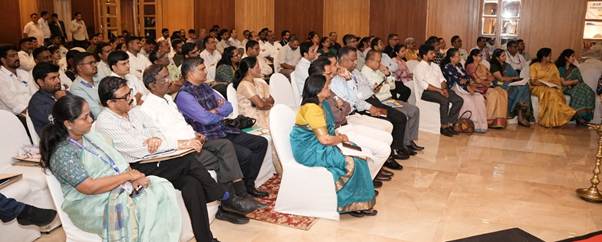
Representatives from Maharashtra, Gujarat, Goa, and the Union Territory of Dadra and Nagar Haveli and Daman and Diu participated in the Western Zone consultation. Around 150 stakeholders from more than 74 districts attended the programme, providing a platform to discuss operational challenges, share experiences and explore ways to improve coordination among agencies involved in child adoption and protection.
Maharashtra Women and Child Development Minister Aditi Varda Sunil Tatkare addressed the participants through a video message. She called for closer coordination among government agencies and other stakeholders to strengthen the adoption system and increase the number of children with special needs who are able to move into permanent family environments.
Tatkare also stressed the need for greater public awareness and sustained cooperation to ensure that children with disabilities receive family-based care and comprehensive support.
Addressing the workshop, Bhavna Saxena, CEO and Member Secretary of CARA, said continued collective efforts were required to improve adoption opportunities for children with special needs. She noted that CARA’s outreach and consultation programmes had helped strengthen coordination within the adoption ecosystem, while stressing that further efforts were needed to expand family-based rehabilitation.
The workshop brought together officials from SARAs, Specialised Adoption Agencies (SAAs), Child Care Institutions (CCIs), District Child Protection Units (DCPUs), Chief Medical Officers (CMOs), healthcare professionals and child protection specialists.
Medical, legal and procedural challenges discussed
Participants examined the adoption scenario for children with special needs in the Western Zone and shared successful cases and practices from the field.
Several challenges were discussed, including medical evaluation, legal and procedural requirements, financial issues, grievance redressal and coordination between different departments.
A key focus was the need for stronger links between healthcare and child protection authorities. Participants discussed how better coordination could help ensure timely medical assessments, appropriate interventions and fewer delays during the adoption process.
Stakeholders also took part in group discussions to develop practical recommendations, including measures to improve adoption outreach, address difficulties faced by agencies on the ground and facilitate the transition of children with special needs into permanent families.
Documentary highlights impact of family-based care
A short documentary based on a successful adoption involving children with special needs was screened at the workshop. The film highlighted how family-based care can influence the lives of children with special needs and emphasised the role of awareness, acceptance and community support in facilitating successful rehabilitation.
The consultation ended with participating states and organisations agreeing on the need for stronger coordination and improved adoption facilitation mechanisms.
Recommendations from the workshop are expected to contribute to future measures aimed at expanding family-based care, improving coordination among agencies and promoting child-centric rehabilitation for children with special needs.