Pune: How SPPU’s Cologne Summer School Brought Indian and German Educators Together
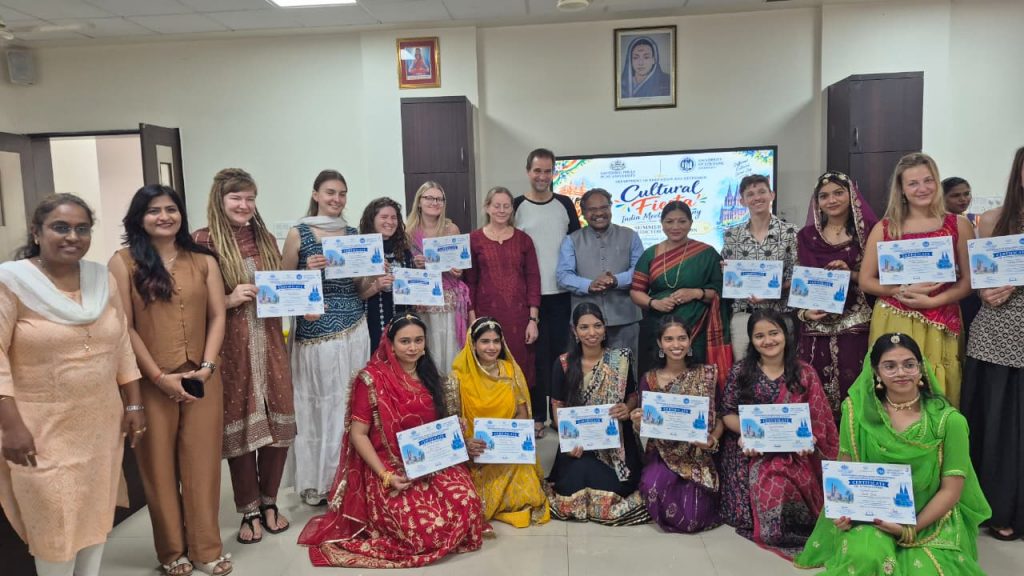
Pune, 2nd November 2026: Bringing together educators, researchers and students from India and Germany, the Cologne Summer School – India 2026 concluded at Savitribai Phule Pune University (SPPU), highlighting the growing importance of international academic collaboration, inclusive education and cross-cultural learning.
Organised by the Department of Education and Extension of SPPU, the international summer school provided a platform for participants from both countries to exchange knowledge, explore different educational systems and discuss emerging approaches to special and inclusive education.
According to Prof. Vilas Adhav, Director of the School of Education at SPPU, the initiative went beyond academic lectures and seminars by creating opportunities for meaningful interaction between students, researchers and faculty members from different educational backgrounds.
The programme featured lectures, seminars and interactive educational activities focusing on special education, inclusive education and comparative research. Participants explored the approaches followed in India and Germany, gaining insights into different teaching practices, research methodologies and educational traditions.
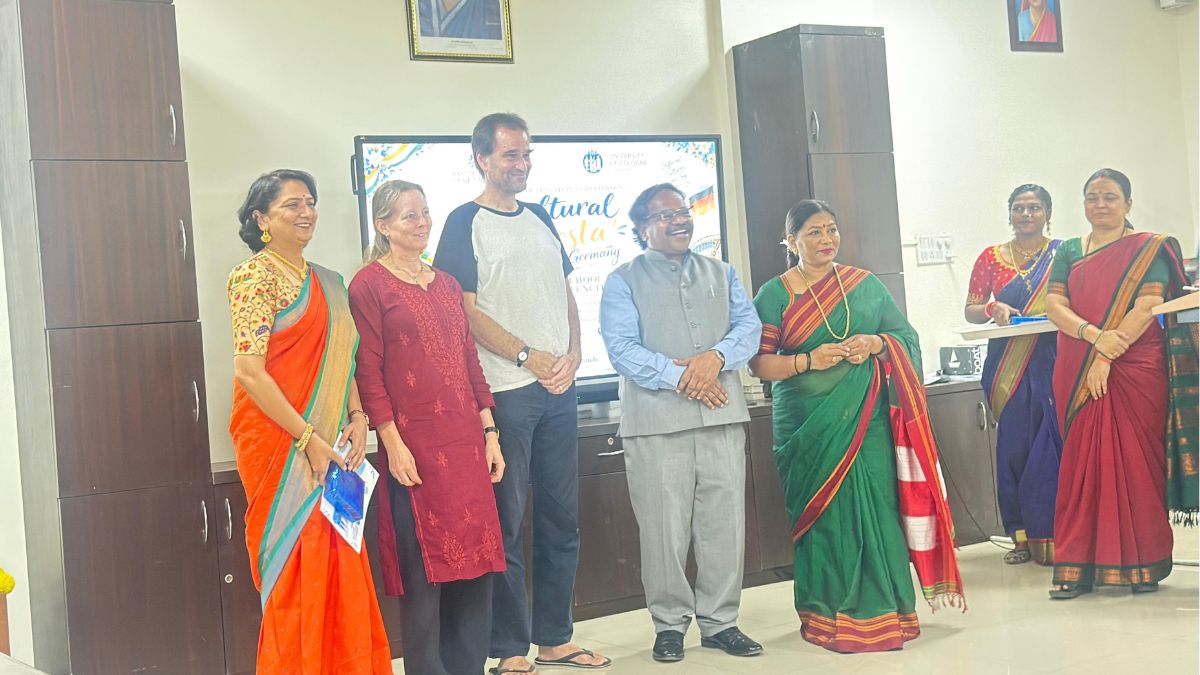
Addressing the closing ceremony, Prof. Dr. Kloefer, Prof. Dr. Eva, Prof. Dr. Geeta Shinde, Head of the Department of Education and Extension, and Prof. Vilas Adhav shared their perspectives on the significance of international educational cooperation.
The speakers emphasised that education today requires a global outlook, particularly when addressing the needs of learners from diverse backgrounds. They highlighted the importance of inclusive education, collaborative research and the exchange of experiences between countries to strengthen educational practices.
Learning Beyond Classrooms and Borders
One of the key outcomes of the summer school was the opportunity it provided students to experience an international academic environment. Interactions with German and Indian professors, researchers and fellow students enabled participants to understand different cultural perspectives, teaching traditions and approaches to educational research.
Prof. Adhav highlighted that such programmes play an important role in broadening students’ academic horizons. Exposure to international perspectives allows future educators and researchers to look beyond familiar systems and understand how educational challenges are addressed in different parts of the world.
The discussions also underlined the importance of comparative research in identifying effective practices and developing more inclusive learning environments. Understanding how different countries approach special education can help educators exchange ideas and explore approaches that can be adapted to their respective contexts.
Building a Foundation for Future Collaboration
During the concluding session, participating professors and students shared their experiences and reflected on the academic and cultural exchanges during the programme.
The initiative was seen as an important step towards strengthening academic relations between India and Germany, while opening possibilities for future joint research projects, faculty interactions and educational programmes.
Prof. Adhav said international academic initiatives such as the Cologne Summer School help create lasting connections between institutions and individuals. Such collaborations can contribute to a more inclusive, diverse and globally connected education system.
The summer school concluded on a positive note, reinforcing the message that international cooperation and the exchange of knowledge are essential for shaping the future of education.