Pune: Larvae Infestation Sparks Drinking Water Quality Concerns In Hinjawadi
Varad Bhatkhande
Pune, 15th February 2024: A post on Twitter (X) by ecologist Jaideep Baphna (@jbaphna) shed light on Chironomid Larvae, commonly known as “non-biting midges,” infesting rivers under the jurisdiction of the Pune Municipal Corporation (PMC) and Pimpri Chinchwad Municipal Corporation (PCMC).
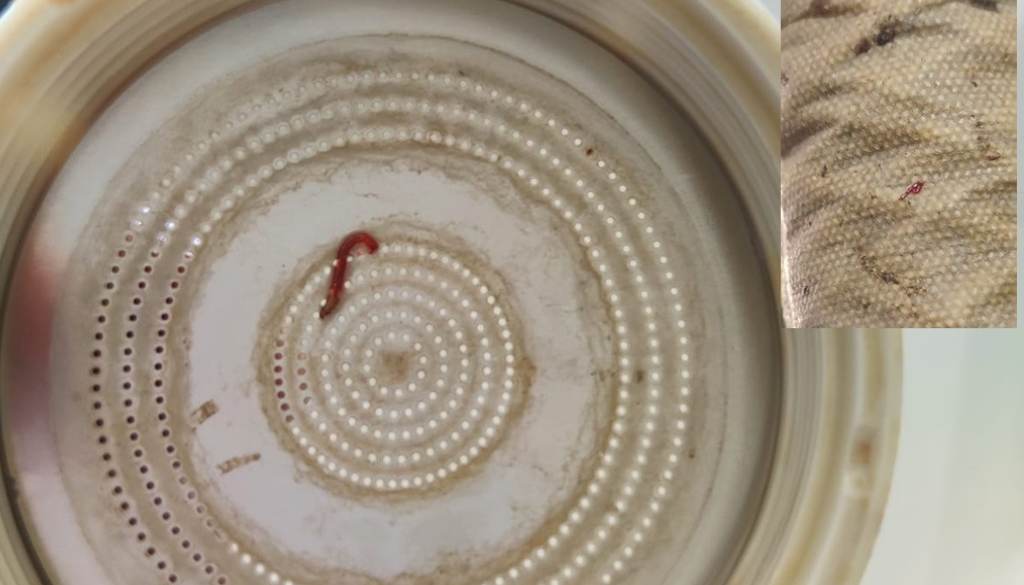
Reports of pollution in Pune’s Mutha River in Kharadi and Mundhwa have now extended to Hinjawadi and Wakad, creating apprehension among residents. Baphna has warned Blueridge township residents in Hinjawadi about Chironomid larvae, providing photos and videos indicating subpar water quality, with approximately 20% of flats reporting the presence of these organisms in tap water.
Baphna criticizes the Pune Municipal Corporation (@PMCPune) for prioritizing Riverfront Development (@PmcPuneRe) over pressing water quality concerns. He also takes aim at the PMC Commissioner (@pmcmco) and PMC Additional Commissioner (@DrKhemnar), accusing them of favoring infrastructure projects like RFD over critical environmental issues, including ecological damage from riverbank destruction and tree cutting. Jaydeep emphasizes the necessity of prioritizing climate resilience over ambitious development projects.
Accompanying evidence underscores the urgency for action to address PCMC’s environmental challenges.
In response to the discovery of Chironomid larvae in rivers under the PMC and PCMC’s purview, concerns arise regarding potential environmental degradation and poor water quality. While Chironomid larvae are not inherently harmful, their presence raises issues such as degradation in water quality, disruptions in the aquatic ecosystem, and potential health risks for humans relying on the water. If left unaddressed, this situation could jeopardize drinking water quality, harm the environment, affect industries dependent on clean water, and pose health hazards for communities. Addressing this issue necessitates comprehensive water quality assessments, identification of pollution sources, and collaborative efforts with environmental agencies and communities to restore river health.
Similarly, the presence of bloodworms in rivers, while not inherently harmful, can indicate poor water quality, low biodiversity, potential harm to fish, and adverse effects on recreational activities. Local authorities must conduct thorough assessments and implement measures to mitigate environmental and health risks associated with the presence of bloodworms. Regular monitoring and community involvement are crucial for maintaining river health.
Concerns about health arise due to the Mula River flowing through the borders of the Pimpri Chinchwad Municipal Corporation (PCMC) and Pune Municipal Corporation (PMC), leading to jurisdictional complications. While the Mutha river flows through PMC and Pavana and Indrayani flow through PCMC, all share concerns about river pollution.
A resident of Blue Ridge in Hinjawadi expressed concern, stating, “We have an embankment of the Mula River near our society. The water is visibly polluted here. The water coming to Hinjawadi is contaminated. Untreated sewage water is released into the river in many areas in Mulshi taluka. We test our water regularly; that’s why we know. In January, we had some health concerns too.”
Shrikant Savane, Chief Engineer of PCMC Water Supply Department, defended PCMC, saying, “For drinking purposes, we only use Pavana and Indrayani water in PCMC jurisdiction. We treat 510 to 520 MLD of water daily from the Pavana River for drinking purposes. The problem of non-biting midges is unknown to me. I will speak to our chemist and take action if anything is there like this. We take action immediately. Also, for societies facing this problem, if they aren’t under the Water Supply Department and are taking drinking water from tankers, we can’t do anything for them. PCMC water is very well treated. If you use PCMC’s water, you don’t even need to install a water filter at home.”
Nandkishore Jagtap, Chief Engineer of PMC Water Supply Department, shared similar sentiments, saying, “I am hearing this for the first time. I’ll speak to our chemist. This is common in summer when the temperature is hotter. But our technology is efficient. Even if rivers are polluted, we treat the water very well. Any type of germs, insects, and other inedible things get removed when we treat our water. We test the inlet and outlets of our water from rivers daily. Also, for the concerned societies, if they are getting water from other tankers, they aren’t under our control.”
The resident of Blue Ridge in Hinjawadi further elaborated, “We have our township that directly draws water from the river, treats it, and that’s what we use for drinking.”
Several reports highlight that societies under both PMC and PCMC are resorting to the use of water tankers due to legal complications, with housing societies failing to secure either a PMC or PCMC water line for themselves.
Despite efficient water treatment technology for drinking purposes in both PMC and PCMC jurisdictions, the pollution of rivers remains a significant concern. Polluted river water brings about various issues, impacting aquatic life, agriculture, soil fertility, groundwater, public health, recreation, and the economy. Treatment efforts should encompass prevention and community awareness for sustainable and safe water use. The fate of these rivers beyond the PMC and PCMC jurisdictions raises questions about their overall condition.
Sanjay Kulkarni, Joint City Engineer of the PCMC Environment Department, addressed the pollution issue, stating, “The insects and germs like ‘non-biting midges’ and bloodworms only grow in water containing common water hyacinth or water algae. Under the PCMC jurisdiction, we clean that from river waters. If it persists in some areas, we will clean it immediately.”
Residents of Mahalunge and Balewadi submitted a complaint to the Deputy Chief Minister of Maharashtra regarding water shortages. Additionally, neighboring villages, not yet merged with PCMC and PMC, continue to face this issue. Deputy Chief Minister Ajit Pawar recently hinted at discussions about seven villages being considered for inclusion within the PCMC jurisdiction.
While rivers like Mula, Mutha, Pavana, and Indrayani flow through PCMC and PMC, their origins are outside either jurisdiction. There are ongoing efforts to control pollution in rivers like Indrayani and Pavana within PCMC. PMC has also assured action on the mosquito problem reported a few days ago, showcasing dedication to addressing the issue. However, the current status of the action is still awaited. Despite the initiatives in PMC and PCMC, villages beyond their jurisdiction remain unaware of the problems and cannot resolve them.
Even with persistent efforts from PMC and PCMC to combat water pollution and ensure clean water for citizens, complaints persist, particularly from residents on the boundaries of these two municipal corporations. Speculation is growing amid administration denials of pollution claims, suggesting that contaminated water might originate from villages and areas beyond the jurisdiction of either PCMC or PMC. The public believes that incorporating new villages into these administrations or establishing a new administrative entity might be the solution, as the current administration in these areas is perceived to be falling short of providing a reliable water supply.