Pune: MHADA’s Tathawade Lottery Draws Low Response, 359 Homes Remain Vacant
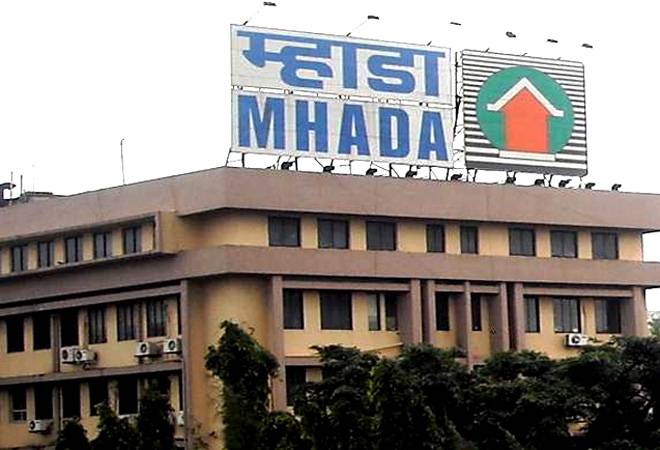
Pune, 2nd September 2026: A poor response from homebuyers has left 359 of the 634 houses offered by the Pune Board of the Maharashtra Housing and Area Development Authority (MHADA) in Tathawade vacant.
The draw for the 634 houses was virtually conducted on Tuesday by Minister of State for Housing Dr Pankaj Bhoyar. However, despite the Pune Board relaxing the income eligibility criteria to allow applicants from all income groups to apply, only 484 applications were received. As a result, just 275 houses were allotted, while 359 remained vacant.
The Pune Board had constructed the houses in two phases on a plot it had acquired in Tathawade several years ago. More than 600 houses constructed in the first phase were completed and allotted through a lottery. Construction of 792 houses under the second phase is now in its final stage, and a lottery for these houses was conducted a few months ago.
However, the second-phase homes failed to attract buyers, reportedly due to their relatively high prices and other reasons. As many as 634 of the 792 houses remained unsold, prompting the Pune Board to issue a fresh advertisement for the properties on July 19.
The registration, application sale and submission process began on July 20. Despite the fresh opportunity, only 484 applications were received for the 634 houses, indicating limited interest among prospective buyers.
The lack of demand was reflected in Tuesday’s draw, with 359 houses receiving no applications at all and consequently remaining vacant.
The vacant homes include 19 reserved for journalists, 18 for freedom fighters, 15 for elected representatives, 15 for MHADA employees and 14 for artists. A large number of houses reserved under various social reservation categories also remained vacant.
With hundreds of homes still unsold despite the relaxation of the income eligibility condition, the Pune Board will now have to decide whether to conduct another lottery or offer the remaining houses under a ‘first come, first served’ scheme.