Pune: Pimpri-Chinchwad and Sangli Waste-to-Energy Plants Face Show-Cause Notices for Environmental Violations
Pune, 19th November 2025: The Maharashtra Pollution Control Board (MPCB) has issued a show-cause notice to the Pimpri-Chinchwad Waste-to-Energy (WTE) plant operated by Antony Lara Renewable Energy Pvt Ltd and taken regulatory action against the Sangli WTE facility run by Bhumi Green Energy Pvt Ltd. The notices follow a recent compliance report by the Central Pollution Control Board (CPCB) submitted to the National Green Tribunal (NGT), which highlighted serious violations of environmental and public health norms.
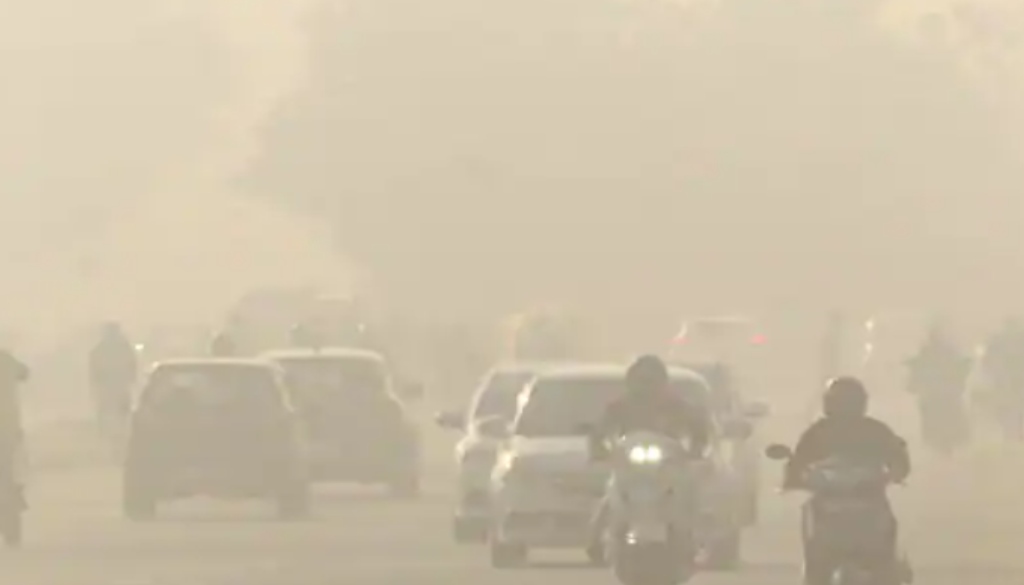
The CPCB report revealed that flue gas emissions at Pimpri-Chinchwad significantly exceeded permissible limits for Total Particulate Matter (TPM), PM10, PM2.5, nitrogen dioxide (NO₂), and benzene, posing a threat to air quality and respiratory health. Leachate from the facility also contained elevated levels of suspended solids (SS), biochemical oxygen demand (BOD), chemical oxygen demand (COD), total dissolved solids (TDS), chlorides, and mercury, raising concerns about soil and groundwater contamination.
Both plants failed to adequately monitor stack emissions of toxic compounds, including dioxins, furans, cadmium, thorium, antimony, arsenic, lead, chromium, and mercury, as mandated under Schedule II of the Solid Waste Management Rules, 2016. The Sangli plant had reportedly not undergone any monitoring by the MPCB over the past five years. In addition, the Sangli WTE plant operated its combustion chamber at a minimum temperature of 230°C, well below the mandated 850°C, with a high loss on ignition of 6%, indicating inefficient waste combustion.
The 1,000-ton-per-day Pimpri-Chinchwad plant has been formally issued a show-cause notice, while Sangli’s facility received directions from the MPCB to comply with regulations. The CPCB report comes amid Maharashtra’s plans to expand WTE operations, including a proposed incineration plant in Mumbai’s Deonar area.
Advocates and civil society groups have voiced strong opposition to the Union government’s draft notification proposing exemption of WTE projects from prior environmental clearance. “Calling it green does not make it clean. Comprehensive environmental and social impact assessments are essential to determine the true impact of these projects,” said Adv. Lara Jesani,
General Secretary of the PUCL.
Advocate Faiyaz Alam Shaikh, president of the Govandi New Sangam Welfare Society, added, “The Bombay High Court has already recognised the serious health impacts caused by incinerators in the area. Building a new WTE plant in Deonar would be a public health emergency.”
Civil society organisations and environmental groups have demanded:
Immediate suspension of operations at both Pimpri-Chinchwad and Sangli WTE plants until full compliance with safety and environmental norms is ensured.
Environmental compensation and initiation of prosecution under applicable laws.
Cancellation of the proposed Deonar WTE plant and the draft exemption for prior environmental clearance.
Constituting an independent expert committee, including medical and civil society representatives, to inspect WTE operations and assess cumulative environmental and health impacts.
Restoration of online continuous emissions monitoring system (OCEMS) reporting at both facilities.
A state-led public health survey to evaluate the effects of WTE pollution on local communities.
Experts emphasise that while WTE plants are proposed as a solution to urban waste management, systemic reforms are critical, including reducing single-use plastics, enforcing strict waste segregation, and scaling up decentralized waste processing models.