Pune Rain: Chinchwad Records 268 mm, Lohgaon 174 mm as Heavy Downpour Floods City; Downpour in Lonavala
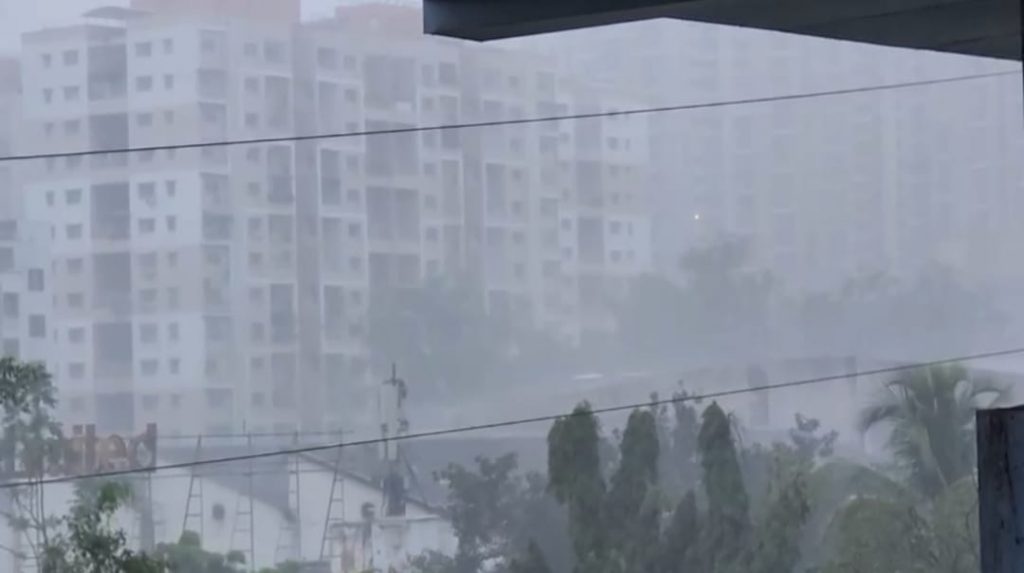
Pune, 7th July 2026: In one of the most intense and widespread active monsoon spells of the season, Pune District and its neighboring Western Ghat catchments were battered by unprecedented, torrential rains over a 24-hour period ending at 8:30 AM IST today, July 7, 2026.
According to official data compiled by the India Meteorological Department (IMD) from its extensive network of Automatic Weather Stations (AWS) and Automatic Rain Gauges (ARG), several regions recorded rainfall levels resembling cloudburst-like events, with Dawdi recording a staggering 688.0 mm and the tourist hub of Lonavala recording 620.0 mm.
The relentless downpour has triggered flash flood alerts across low-lying areas, caused heavy runoffs in local river systems, and dramatically boosted the water levels of reservoirs supplying Pune and Mumbai.
Western Ghats and Catchments Bear the Brunt of the Deluge
The western hilly terrains and ghat sections of Pune district experienced extreme, heavy-category precipitation. Dawdi emerged as the wettest spot in the region, registering a phenomenal 688.0 mm of rainfall in a single day. This was closely followed by the popular hill station of Lonavala (Off), which was inundated under 620.0 mm of rain, further vindicating the district administration’s decision to place strict nighttime travel curbs under Section 163 of the BNSS.
Other ghat and high-altitude stations recorded similarly extreme rain volumes. Tamhini, known for its volatile weather patterns, recorded 530.0 mm, while Bhira in the neighboring valley registered 512.0 mm. Heavy downpours were also logged at Dungerwadi (423.0 mm), Shirgaon (420.0 mm), and Walvan (392.0 mm), creating powerful surface runoffs and localized waterfalls along the mountain passes. The historical region of Khand recorded 312.0 mm, Koyna (Navja) received 244.0 mm, and Khopoli saw 240.0 mm of precipitation. Other notable stations include Bhivpuri with 205.0 mm, Koyna (Pophali) with 192.0 mm, Shirota with 180.0 mm, and Wangaon with 169.0 mm.
Urban and Suburban Areas Face Heavy Waterlogging
In the metropolitan limits of Pune, the contrast between the western suburbs and the eastern plains was highly pronounced. Chinchwad was the worst hit in the urban cluster, recording a massive 268.0 mm of rain. This intense downpour led to immediate waterlogging of streets, drainage chokes, and slow-moving traffic across the industrial twin-city of Pimpri-Chinchwad.
Lohgaon, which houses Pune’s international airport, recorded a heavy 174.4 mm, while the residential and institutional hub of Pashan registered 115.6 mm (with the Pashan AWS lab registering 103.0 mm and MTI Pashan noting 102.5 mm). The core city area of Shivajinagar received 97.5 mm, while the National Defence Academy (NDA) in Khadakwasla recorded 95.5 mm.
The heavy rain in the western and central parts of Pune stood in sharp contrast to the eastern and southern parts of the district. The agricultural and semi-urban belts saw moderate to light rainfall: Haveli logged 44.0 mm (with Lonikabhob Haveli recording 44.0 mm and Hadapsar logging 41.0 mm), Daund registered 35.5 mm (with Khutbav Daund noting 35.5 mm), Baramati logged 20.4 mm (with the NIASM Baramati research station recording 19.0 mm), and Indapur recorded 19.5 mm (at the Nes Lakadi station). Core eastern pockets like Koregaon Park (KP) recorded only 3.0 mm, while Lavale noted 6.0 mm and Magarpatta reported 0.0 mm, highlighting the sharp, topographically-driven rain distribution across the metropolitan area.
Lake Catchments and Water Storage Surge
In addition to local rivers, the heavy downpour directly impacted the primary water catchments that supply drinking water to metropolitan Mumbai. Vaitarna lake received 345.0 mm of rain, while Tansa lake was close behind with 322.0 mm. The Upper Vaitarna catchment logged 212.0 mm, and Bhatsa lake recorded 172.0 mm. Tulsi and Vihar lakes, located closer to the urban forests of Mumbai, received 160.0 mm and 151.0 mm respectively. Water resource department officials have noted that these heavy inflows will rapidly elevate the reservoir storage levels, easing early concerns over water scarcity.
District Administration Issues Warnings
With the India Meteorological Department predicting continued active monsoon conditions over the next 48 hours, the Pune District Administration has advised citizens to avoid traveling to ghat areas, waterfalls, and river banks. Emergency response teams, including the National Disaster Response Force (NDRF) and local civic rescue squads, have been put on high alert to handle any flooding or landslide contingencies, particularly near the unstable slopes of the Western Ghats.