Pune: Rare Cardiac Procedure at AICTS Offers Alternative to Repeat Surgery
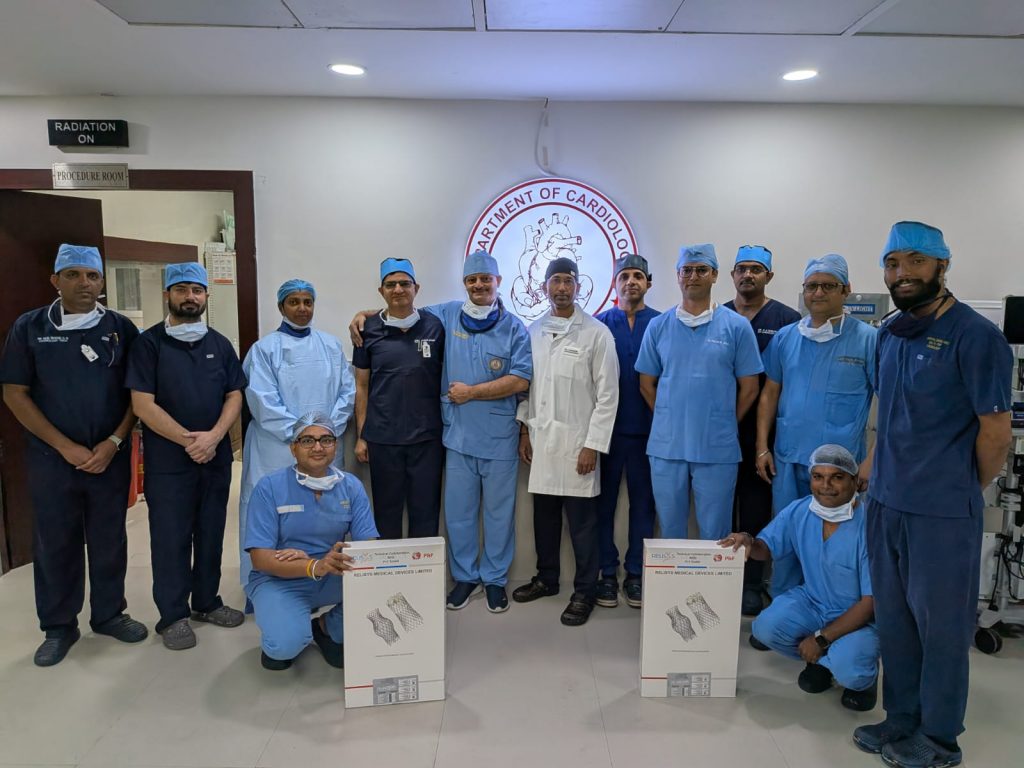
Camp, 28th July 2026: Specialists at the Army Institute of Cardio-Thoracic Sciences (AICTS) in Wanowrie have successfully performed a rare and highly complex minimally invasive heart procedure on a patient who had previously undergone valve replacement surgery and later developed severe tricuspid regurgitation.
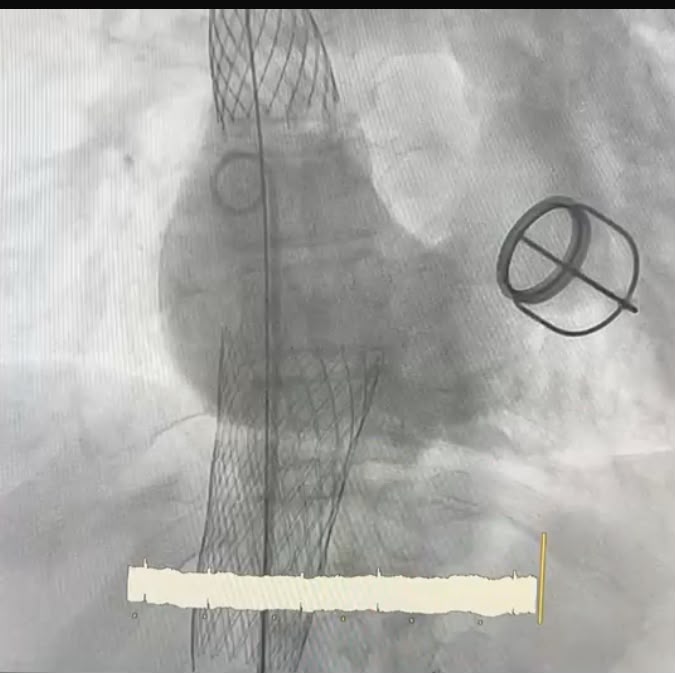
The procedure involved the simultaneous implantation of two prosthetic valves in the superior and inferior vena cava — the two major veins that carry blood into the right side of the heart — to manage severe leakage of the tricuspid valve without subjecting the patient to repeat open-heart surgery.
According to AICTS, the procedure, known as bicaval transcatheter valve implantation (CAVI), is among the more technically challenging catheter-based interventions used in structural heart disease. Similar procedures have been reported by only a limited number of highly specialised cardiac centres worldwide.
Doctors said the patient had previously undergone heart valve replacement and subsequently developed severe tricuspid regurgitation, in which blood flows backward from the right ventricle towards the right atrium and into the venous circulation.
Severe tricuspid regurgitation can lead to symptoms including swelling of the legs and abdomen, liver congestion, fatigue and breathlessness. A repeat open-heart operation can carry substantially higher risks in patients who have already undergone cardiac surgery, particularly when they are older or have multiple medical conditions.
The AICTS team therefore adopted a minimally invasive, catheter-based approach. Two prosthetic valves were implanted simultaneously in the superior and inferior vena cava, creating a barrier against the backward flow of blood into the venous system. The patient recovered successfully following the procedure, the institute said.
Cardiologists consider bicaval transcatheter valve implantation an emerging treatment option for selected patients with severe tricuspid regurgitation who are considered too high-risk for repeat surgery because of previous cardiac operations, age or other medical conditions.
Unlike transcatheter aortic valve replacement (TAVR), which is now an established treatment for several forms of aortic valve disease, bicaval valve implantation remains an evolving intervention with relatively limited experience globally.
AICTS officials said the successful procedure represents a significant milestone in advanced cardiac care within the Armed Forces Medical Services and reflects the growing use of complex structural heart interventions in India.
Over the past few years, similar procedures have been reported by a limited number of specialised structural heart programmes in Europe, North America and selected centres in Asia. Much of the available evidence comes from early feasibility studies, multicentre registries and individual case reports, highlighting the technical complexity of the procedure and the need for careful patient selection.
The procedure adds to AICTS’ portfolio of advanced cardiac interventions and highlights the expanding role of catheter-based therapies for patients with complex heart valve disease who may have limited options with conventional surgery.
For carefully selected high-risk patients, such minimally invasive procedures may offer an alternative to repeat open-heart surgery, although longer-term evidence on the effectiveness and durability of bicaval valve implantation continues to evolve.