Pune Water Shortage Worsens; Tanker Trips Likely to Hit 63,000 in April
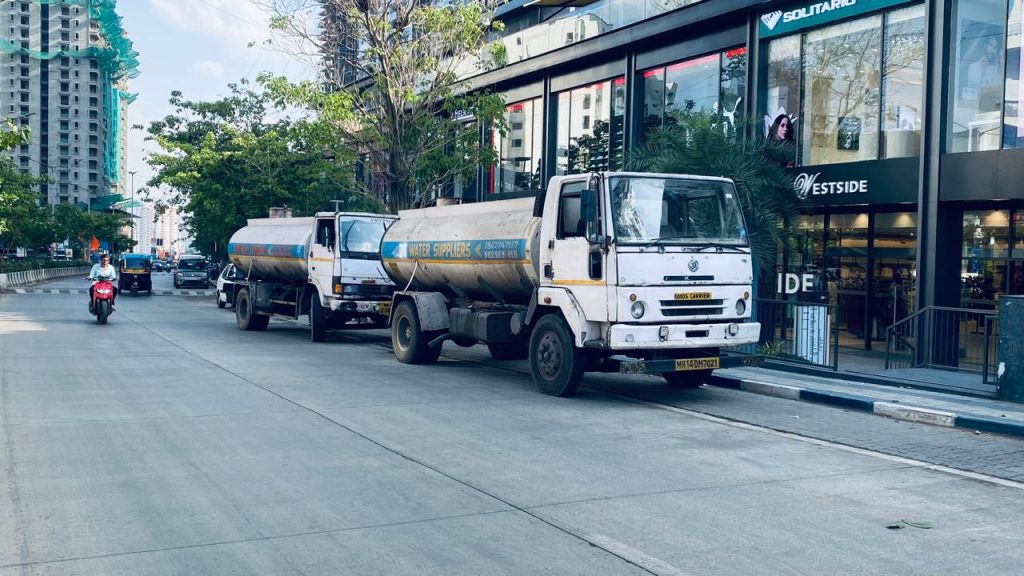
Pune, 29th April 2026: The city’s deepening water crisis has triggered a sharp rise in dependence on private water tankers, driven by rising temperatures, population growth, and gaps in municipal supply. Official data from the Pune Municipal Corporation (PMC) shows a consistent year-on-year increase in tanker usage.
Between April 2023 and March 2024, Pune recorded 4,00,348 tanker trips. This increased to 4,89,000 trips between April 2024 and March 2025. By the end of March 2026, the figure had climbed further to 5,17,000 tanker trips, reflecting an average annual rise of around 50,000 to 55,000 trips over the past two years.
The surge is also evident in monthly data. In March 2024, the city recorded 38,299 tanker trips, which rose to 47,896 in March 2025. By March 2026, the number had crossed 58,000 trips, indicating a steep year-on-year increase in demand.
In April 2026, demand has already reached alarming levels. In the first 26 days alone, more than 55,000 tanker trips were recorded. Officials estimate that by the end of the month, the figure could reach 62,000 to 63,000 trips, underscoring the intensifying water shortage.
The growing dependence on tankers is being observed across the city, including central areas as well as newly merged suburbs. Declining groundwater levels, limited dam water availability, and rising summer temperatures have forced residents to rely on private tankers for daily needs. Authorities expect demand to increase further in May as heat conditions worsen.
Meanwhile, the city’s long-delayed equitable water distribution project has yet to deliver the intended results. Launched in 2017, the scheme proposed the construction of 82 water storage tanks, installation of around 2.8 lakh water meters, and laying of 1,600 km of pipelines, at an estimated cost of ₹2,500 crore.
However, nearly nine years later, only 30–35% of the planned water storage tanks have been made operational. The slow pace of implementation has limited the project’s impact, leaving large parts of the city dependent on tanker supply.
With demand rising sharply and infrastructure upgrades lagging, Pune’s water supply challenges continue to escalate, raising concerns about long-term sustainability.