Pune: What Farmers Will Get for Purandar Airport Land? Aerocity Plots Offered as Compensation
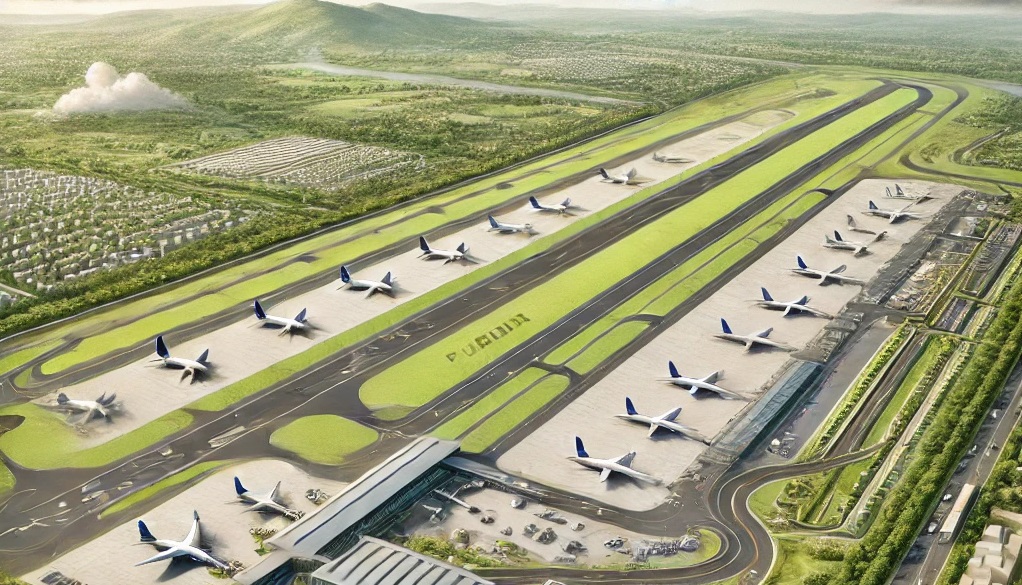
Pune, 23rd July 2025: The Purandar International Airport project has received a significant boost, as around 100 landowners from seven villages have expressed willingness to part with their land for the ambitious infrastructure development. In return, they will be allotted developed plots in the proposed ‘Aerocity’ near the airport site on a ‘first come, first served’ basis.
This follows the finalisation of the compensation formula for land acquisition by the district administration. According to officials, 10 percent of the acquired land area will be returned to the landowners in the form of developed plots. For this, approximately 700 acres within the airport zone have been reserved.
The consent process has already begun, with forms being accepted at the District Collector’s Office in Pune and the Sub-Divisional Officer’s office in Saswad. So far, 100 landowners have submitted consent letters, collectively offering around 50 hectares (approximately 125 acres) of land. The administration expects this number to rise in the coming days as more villagers come forward.
The proposed international airport will require a total of 2,673 hectares from seven villages in Purandar taluka — Kumbharvalan, Ekhatpur, Udachiwadi, Munjawadi, Khanwadi, Pargaon Memane, and Vanpuri.
Officials said the land allocation for those who give up their plots will be handled transparently, with priority based on the order in which consent letters are received. The Aerocity area will accommodate industrial, residential, and commercial zones.
The Maharashtra State Industrial Development Corporation (MIDC), which has been appointed the planning authority for the project, will oversee land distribution under its jurisdiction. It will also decide how and where to allocate plots to eligible landowners based on the land use category.
The land acquisition process for the Purandar airport has seen resistance in the past, but this fresh wave of consent signals a possible shift in sentiment, likely due to the clarity in compensation and development plans.