Pune: What Is Gait Analysis? The Forensic Tool Being Used in the Ketan Agarwal Murder Probe to Confirm Identity of Man in Hoodie at Lohagad
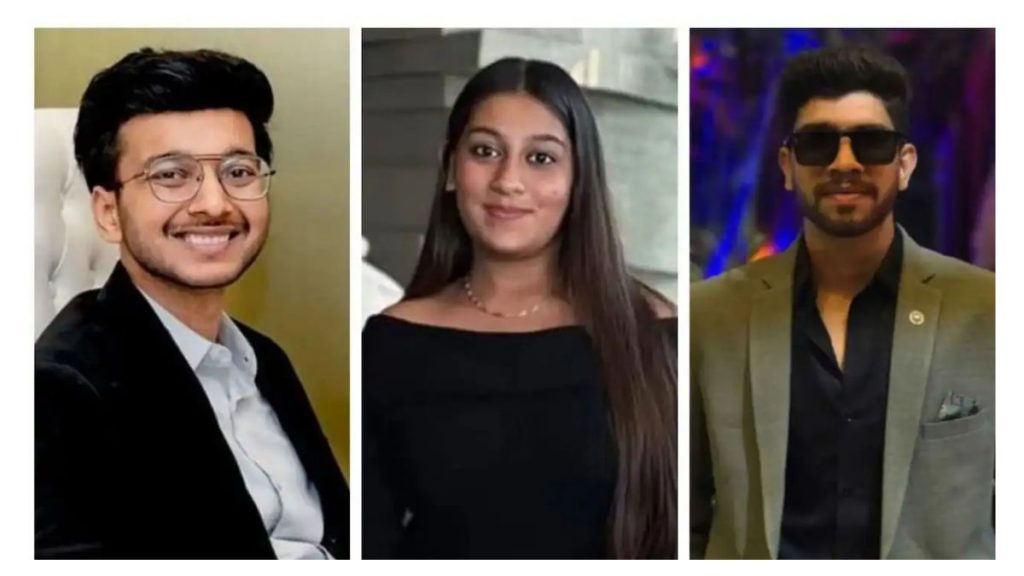
Pune, 30th June 2026: Chetan Chaudhary, one of the accused in the Ketan Agarwal murder case and alleged to be the boyfriend of co-accused Siya Goyal, is set to undergo a ‘gait analysis’ as part of the police investigation. Investigators hope the forensic exercise will help establish whether the person seen in CCTV footage near Lohagad Fort on the day of the crime was Chaudhary.
The move comes after investigators claimed that Chaudhary was captured on CCTV near the foothills of Lohagad on June 18 wearing a hooded sweatshirt despite the hot weather, allegedly in an attempt to conceal his identity.
What is gait analysis?
Gait analysis is a forensic technique that studies the unique way a person walks. Much like fingerprints or handwriting, every individual has subtle differences in their walking style. These include the length of each step, body posture, the way the arms swing, the movement of the legs and feet, and the overall rhythm of walking.

Forensic experts analyse these characteristics to compare a person seen in CCTV footage with a suspect. While clothing, a mask or a hood may hide facial features, the way a person walks often remains largely unchanged, making gait analysis a useful investigative tool when facial identification is difficult.
How will it be used in this case?
According to investigators, Chaudhary allegedly wore a hoodie to conceal his face while moving near Lohagad Fort. Since the CCTV footage does not clearly reveal the person’s identity, police plan to recreate the sequence by making Chaudhary wear a similar hooded sweatshirt and walk through the same location in a manner similar to that seen in the footage.
The recreated video will then be compared with the original CCTV recording by forensic experts, who will examine whether the walking patterns—including stride, posture, body movement and arm swing—match.

Investigators believe the exercise could help corroborate whether Chaudhary is the person seen in the CCTV footage. However, forensic experts note that gait analysis is generally considered corroborative evidence and is typically used alongside other evidence such as CCTV footage, call records, digital evidence and witness statements, rather than as standalone proof of identity.