Pune Zoo Workers to Become First Line of Defence Against Animal-to-Human Infections
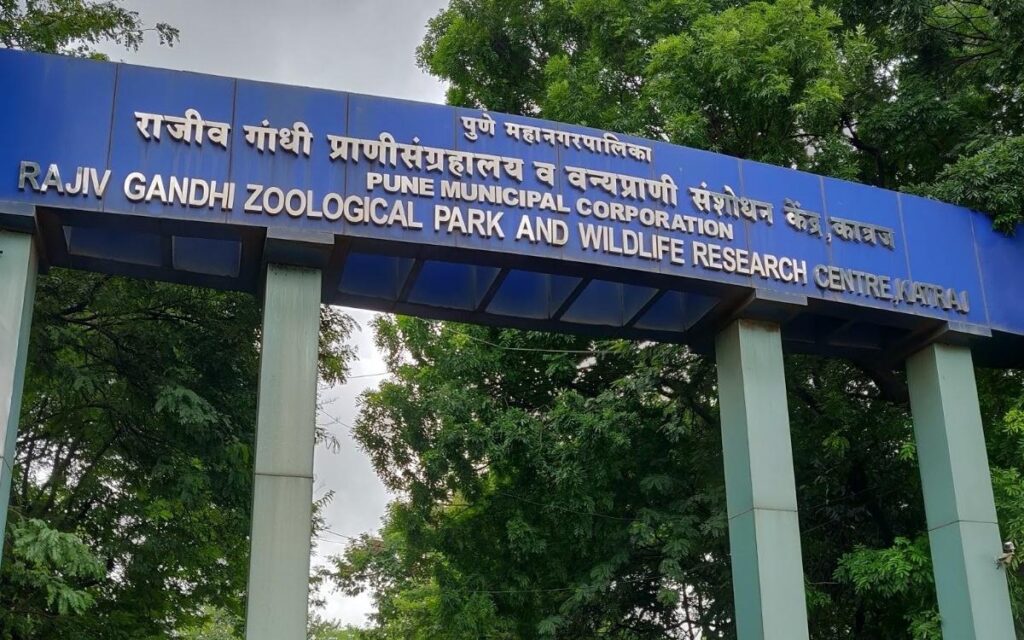
Pune, 7th November 2026: From handling wildlife to cleaning animal enclosures and collecting clinical samples, workers at Pune’s Rajiv Gandhi Zoological Park could play a crucial role in detecting diseases before they spill over from animals to humans.
A new surveillance initiative under the National One Health Mission has placed zoo workers, animal keepers and veterinary staff at the centre of efforts to identify zoonotic infections — diseases that spread from animals to humans — at an early stage.
The project, titled ‘Establishing a One Health Sentinel Surveillance System in High Human-Animal-Interaction Settings among Selected Zoos in India’, aims to systematically track infections among zoo animals, assess occupational health risks among workers and identify early warning signs of pathogens crossing species barriers.
The initiative is being implemented through a collaboration between the Indian Council of Medical Research’s National Institute of Virology (ICMR-NIV), Pune; the National Institute for One Health, Nagpur; Bharati Vidyapeeth; and the Pune zoo.
Zoo workers are considered particularly vulnerable because of their frequent exposure to wildlife, animal waste and clinical samples. The surveillance system will help generate data on infections in animals while monitoring potential risks to people working in close contact with them.
The Centre has identified several zoonotic diseases, including anthrax, rabies, Nipah, leptospirosis, mpox and Zika, as priority threats requiring surveillance.