Pune’s Riverbank Forests May Get ‘Deemed Forest’ Tag After CEC Intervention
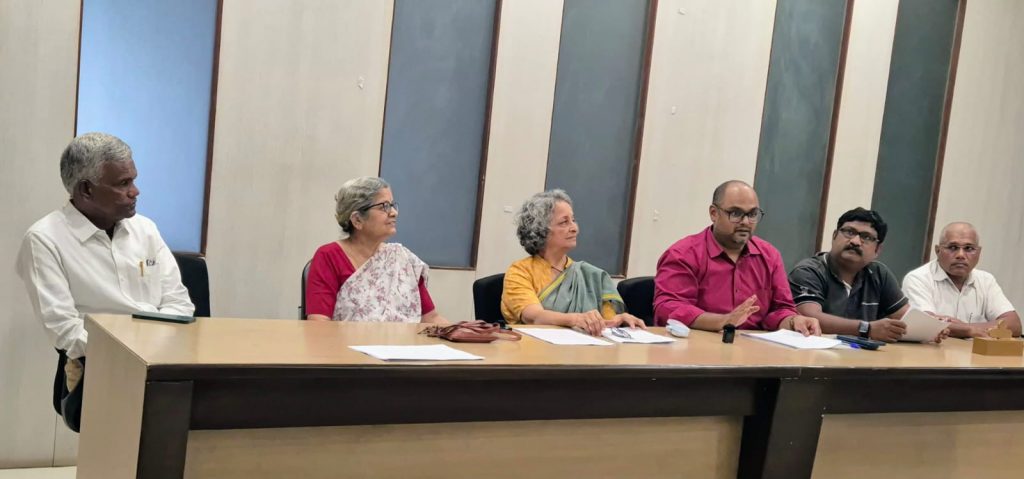
Pune, 4th September 2025: Civil society groups and environmentalists have received a major boost in their campaign to protect Pune’s riparian forests, as the Central Empowered Committee (CEC) has directed the Maharashtra government to take urgent measures for their conservation.
Organizations including Jeevitnadi, Ecological Society, Devrai Foundation, Nisargsevak, along with citizens Pushkar Kulkarni and Prashant Raul, had written to the Principal Chief Conservator of Forests (PCCF) in July and August seeking formal notification of riparian forests along the banks of the Mula, Mutha, and Mula-Mutha rivers as “Deemed Forests” in line with Supreme Court directives.
Addressing a press conference at the Pune Municipal Corporation (PMC) on Thursday, Shailaja Deshpande of Jeevitnadi said, “The riverbanks of Pune are home to dense canopies and rich biodiversity. These areas clearly meet the ecological characteristics outlined by the Honourable Supreme Court for classification as ‘deemed forests.’ Recognizing them officially is crucial to protect them from destruction in the name of development.”
Dr Vinaya Ghate stressed the broader ecological role of these landscapes.
The civil society appeal has found resonance at the national level. Jeevitnadi had also written to the CEC, highlighting the ecological importance of not only the Mula and Mutha rivers but also the Pavana and Indrayani. In response, the CEC has asked the Chief Secretary of Maharashtra to halt all tree felling until the Supreme Court decides on ongoing writ petitions, conduct an on-ground survey of riparian zones, and ensure PMC and PCMC refrain from damaging these areas until demarcation is complete.
Pushkar Kulkarni, one of the petitioners, pointed out, “This directive is a landmark step. It validates the concerns of citizens who have long been saying that our riversides are ecological treasures. Now, it is up to the state and municipal authorities to follow through in letter and spirit.”
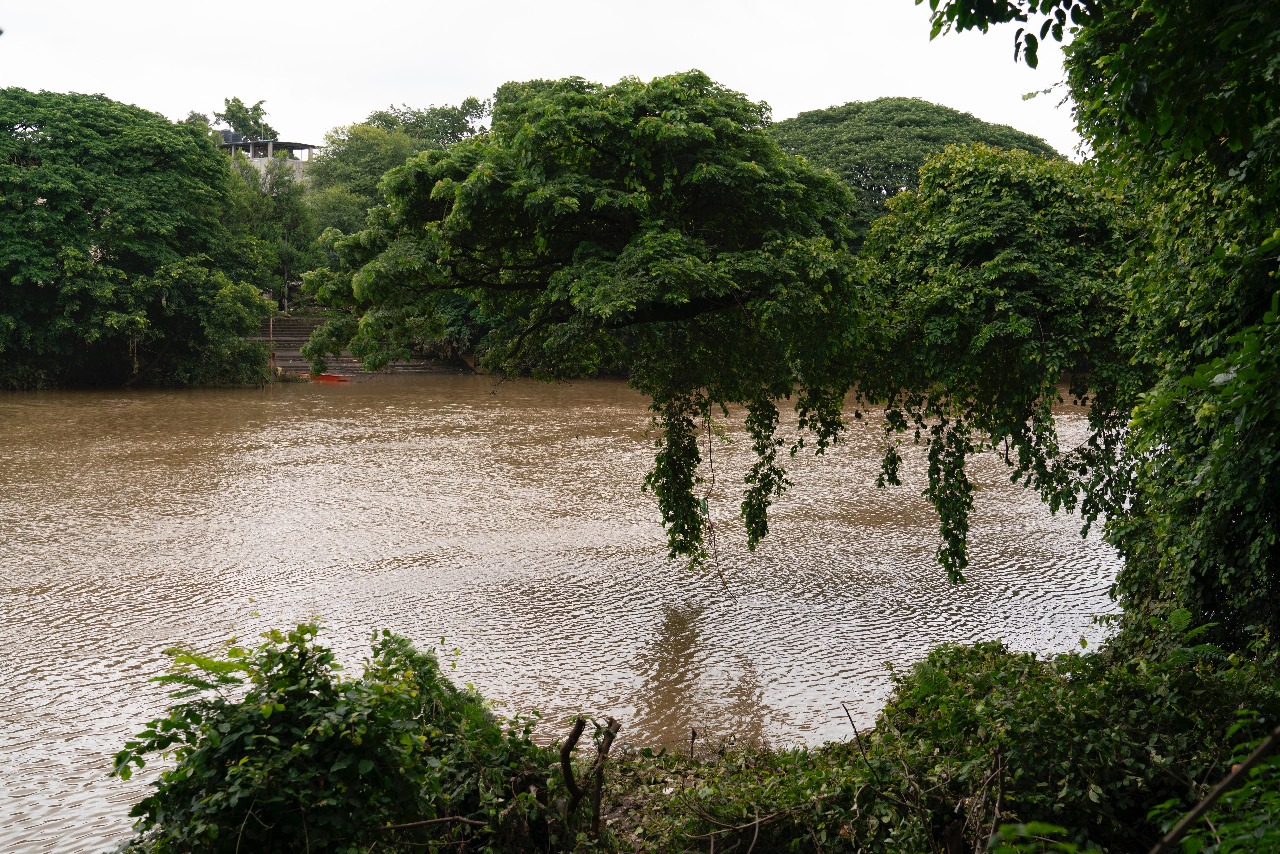
Meanwhile, citizen voices have also drawn attention to specific sites of ecological significance. Prashant Raul, who has been advocating for the protection of sacred groves, said, “The Ram-Mula Devrai is a living heritage. With over 1,000 old trees and 450 documented species, including Schedule I and II wildlife, this grove is not just a biodiversity hotspot but also part of Pune’s cultural identity. It must be safeguarded from the threats posed by riverfront projects.”
Earlier, Vandana Chowdhary had raised a grievance over the protection of the Ram-Mula Devrai at the river confluence. Acting on her appeal, the Pune Forest Division inspected the site and recommended its protection, noting the presence of ecologically and culturally significant species.
Despite repeated appeals, activists allege that authorities have failed to exercise due diligence. They warn that without immediate recognition of riparian zones as “Deemed Forests,” the city risks losing ecosystems that provide invaluable ecological services.
The groups expressed hope that the CEC’s intervention will compel the state to act. “Citizens trust that the local authorities will uphold the Supreme Court’s order and the CEC’s directions,” Deshpande added. “This is our last chance to prevent irreversible damage to Pune’s rivers.”