Rising Heat Forces Wildlife Into Villages; Over 100 Animals Rescued From Open Wells In Pune In Three Years
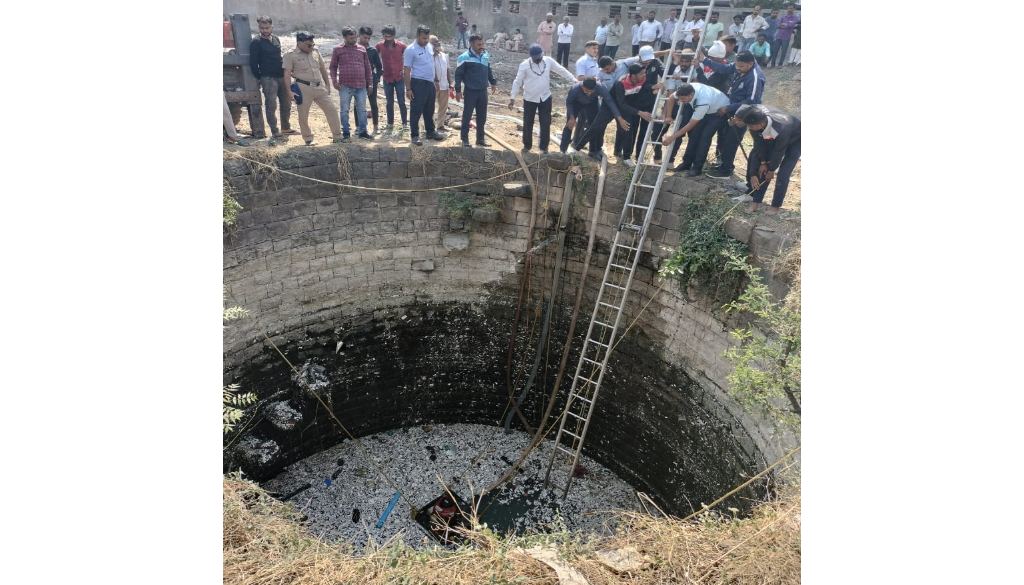
Pune, 15th April 2025: As temperatures climb and water sources in forests begin to dry up, wild animals in Pune district are increasingly venturing beyond forest boundaries in search of water—often leading them into life-threatening situations. One of the most common dangers: uncovered and unguarded wells. In the past five years, over 100 wild animals have been rescued from open wells across the district, according to data provided by the Maharashtra Forest Department and wildlife rescue NGO, RESQ.
From 2022 to 2024 alone, at least 110 rescues were carried out, with a record high of 53 wild animals saved in 2024. These incidents typically occur during the winter and summer months, when animals leave the forests in search of food and water and unknowingly fall into wells—especially at night, when visibility is low.
In response, the forest department has proposed and implemented measures to cover or barricade wells using safety nets and protective walls. Financial assistance is being provided under the Shyama Prasad Mukherjee Jan-Van Yojana, which supports well owners in forest-adjacent villages. The scheme includes two funding options: full government coverage or a 75:25 cost-sharing model between the government and the beneficiary.
Officials informed that though the scheme is primarily meant for villages within sanctuaries, it is also extended to nearby agricultural areas with significant wildlife activity.
To further prevent such incidents, the department has identified 100 key sites with perennial water sources frequented by wildlife. Enhanced safety measures and regular monitoring have been put in place to prevent animal deaths due to poisoning, accidental falls, or human interference.
In 2024 alone, the RESQ Charitable Trust has rescued 1,920 wild animals across Pune district. These included approximately 1,583 birds, 234 mammals, and 103 reptiles—underscoring the increasing frequency of human-wildlife interactions during harsh summers.