Shift from taste clarity to toxicity protection: how consumers are becoming more aware that clear water does not always mean clean water
By Dr. Anil Kumar, Chief Water Scientist, Eureka Forbes
(Innovator | Category Creator | Multiproduct Specialist | Trainer | Consumer Researcher | Analyst | RCA Expert | Corporate Sustainability Advocate)
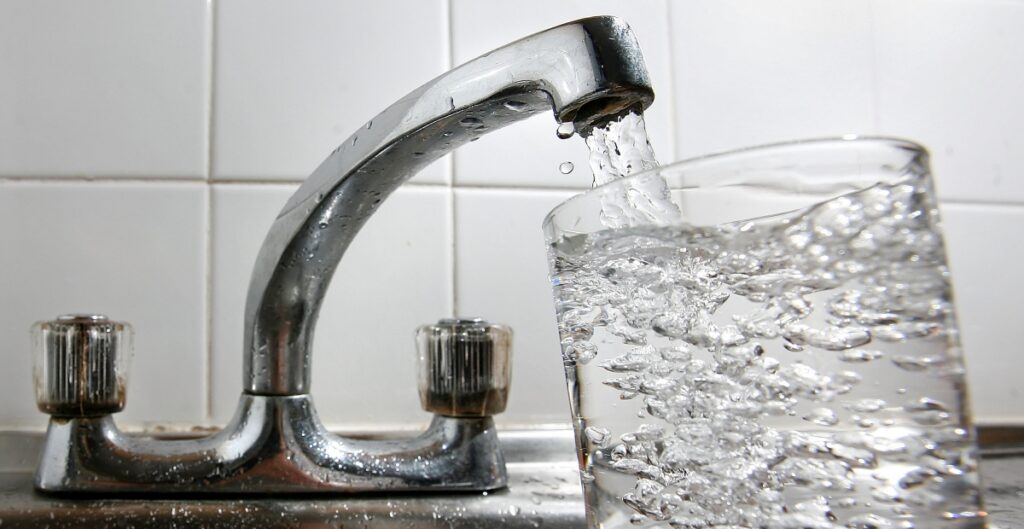
Pune, 16th December 2025: Clear water has always carried an illusion of safety. For decades, households across India have relied on sight and taste to judge purity, if water looked clean, it must be harmless. However, studying groundwater patterns and contamination trends, this assumption is becoming increasingly outdated. The latest national groundwater quality assessment released by the Central Ground Water Board in 2024 only reinforces what many experts in the field have already observed: some of the most harmful contaminants in drinking water are the ones you cannot see, taste, or smell.
This gap between visible clarity and actual safety has also been deteriorated by the growing presence of fake or unbranded water filters in the market, which may look similar to genuine products. However, they fail to remove invisible chemical threats. Many households unknowingly install counterfeit filters believing they offer the same protection, when in reality they allow contaminants to pass through unchecked.
What concerns specialists today are not the visible impurities that traditional filtration can address, but the invisible chemical signatures that quietly infiltrate groundwater systems. Arsenic, uranium, and nitrate are not new to India’s aquifers, yet their behaviour has evolved with changing extraction patterns. As water tables decline, aquifers begin releasing deeper geogenic elements into the supply. These contaminants do not alter the water’s appearance, which is precisely why their risks remain underestimated at the household level. Over years of working with community water systems, it has been observed how chronic exposure to even low concentrations of such contaminants can silently impact long-term health outcomes.
The issue is real, due to fact that the unbranded or fake filters are often made with inferior granulated carbon or uncertified components which cannot remove heavy metals or pesticides even at the initial stages of use. This has been conclusively demonstrated in a scientific testing, including an independent IIT-Madras case study that compared genuine Nanopore Longlife filters with ordinary/unbranded filters. The study found that while genuine filters maintained high removal efficiency for up to 12,000 litres, fake filters failed to eliminate contaminants and showed rapid performance decline even after the first 10 litres.
The shift we are now observing among consumers is both timely and necessary. A growing number of households are recognizing that safety cannot be judged by clarity alone. There is greater awareness that carcinogenic elements like arsenic or kidney-impacting heavy metals like uranium do not manifest through taste. Similarly, elevated nitrate levels, which can irritate the digestive system and affect infants more severely, provide no sensory warning. This emerging understanding reflects growing awareness of how people perceive water risks. It signals a move from intuition to informed decision-making.
This evolution in mindset is what is driving the adoption of modern purification systems. Today’s technologically advanced purifiers are not merely upgrading older models; they are purpose-built
responses to the invisible challenges that hydrogeologists and public health experts have been cautioning against. They are designed to target dissolved contaminants, heavy metals, and chemical residues that conventional methods cannot eliminate. What I find particularly encouraging is that many consumers are no longer selecting purifiers based solely on features or aesthetics, but on the nature of their water and the threats most relevant to their region.
However, even the most advanced purifier can only perform as intended when paired with genuine, certified filters. This is why experts increasingly emphasize the use of authorized consumables, because fake and unbranded filters compromise both the technology and the protection it is meant to provide. The IIT-Madras case study highlights this clearly: genuine filters consistently removed carcinogenic heavy metals and pesticides, while fake filters failed across every parameter tested.
India’s water story is entering a new phase, one where protection takes precedence over perception. Clear water is not always clean water, and the real danger often lies beneath the surface. As invisible contaminants continue to evolve, the technologies we rely on must evolve with them. Modern purifiers are becoming not just lifestyle products, but essential household defences informed by science, grounded in data, and increasingly understood through the lens of everyday health protection.