Shrimp Prices Fall In Pune As Trump’s Trade Tariffs Hit Indian Seafood Exports
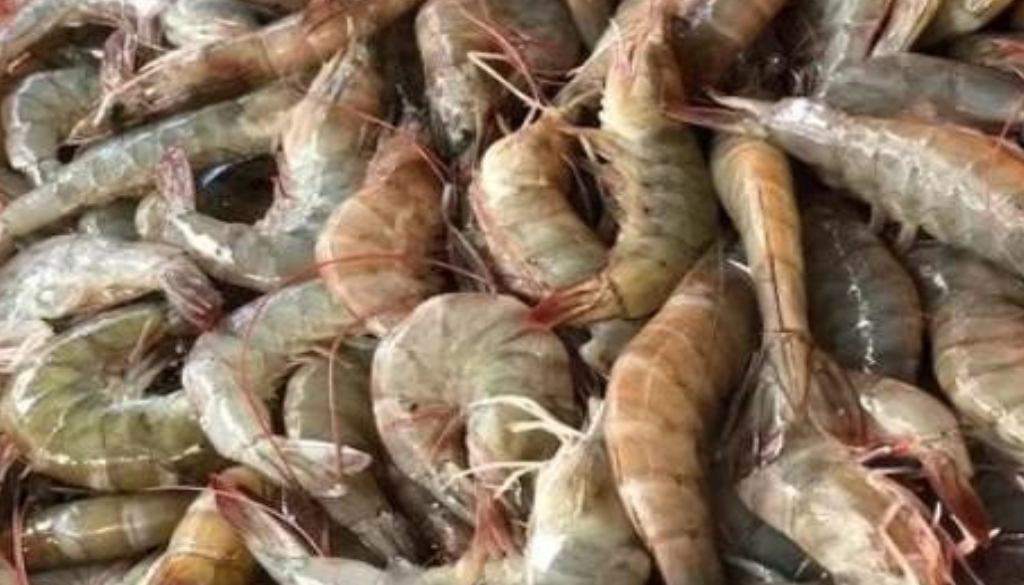
Pune, 10th April 2025: US President Donald Trump’s decision to impose additional trade tariffs on several countries has had far-reaching effects across global markets — including an unexpected impact on Pune’s local fish markets. The price of shrimp, a popular seafood item in the region, has seen a significant decline due to shrinking exports to the United States.
The U.S. remains the largest market for Indian shrimp, with exports exceeding $1 billion in the previous fiscal year. Previously, Indian exporters paid around 8% in trade duties when shipping to the U.S. However, an additional 27% duty has recently been imposed, placing a heavy burden on exporters and threatening the competitiveness of Indian seafood in the American market.
Although President Trump temporarily suspended tariffs for 90 days for countries other than China, Indian seafood exports are already feeling the pinch. The decline in exports has led to an increased supply in the domestic market, causing a drop in prices.
Traders in Pune’s Ganesh Peth, reported that shrimp prices have dropped by nearly 20%. “With reduced demand overseas, more stock is being sold locally, leading to lower prices,” they informed.
Traders further statrd that people are buying more shrimp due to the lower prices. Mothers, in particular, prefer shrimp for their children since it has no bones and is easy to eat.
Customers who once paid ₹400–₹450 per kg for shrimp are now able to buy it for ₹350, further fueling demand.
Meanwhile, wholesale workers from the Kharadi fish market provided current price trends:
Seawater shrimp varieties are now being sold at ₹200–₹250 per kg for ‘Tapani’, ₹600–₹650 for White Shrimp, ₹500–₹650 for Tiger Shrimp, and ₹350–₹450 for ‘Kapasi’. Freshwater Shrimp varieties like ‘Kolambi’ are priced between ₹450–₹500, while ‘Chaiti’ shrimp are available at ₹440 per kg.

The ripple effect of global trade tensions, it seems, has found its way into Pune’s fish markets — turning international policy shifts into a local seafood bonanza.