‘Why Is Pune Facing Water Cuts?’ Activists Allege Unequal Water Allocation
Pune, 18th June 2026: Alleging that the ongoing water shortage in Pune is “man-made” rather than a natural consequence of poor rainfall, former Leader of the Opposition Ujwal Keskar, along with Suhas Kulkarni and former corporator Prashant Badhe, has demanded that the minutes of all Canal Committee meetings be made public.
The activists have called for a detailed audit of water allocation decisions, including the quantity of water earmarked for Pune city and agriculture, as well as the actual amount released to each sector. They argued that citizens have a right to know whether the decisions taken by the Canal Committee were implemented as planned.
Addressing a press conference, the trio alleged that regions and Assembly constituencies with a strong sugarcane cultivation lobby often receive a disproportionately larger share of water, while Pune residents are forced to bear the burden of shortages despite being regular taxpayers.
“Drinking water should receive the highest priority in water allocation. However, the current situation suggests that this principle has not been followed,” they said.
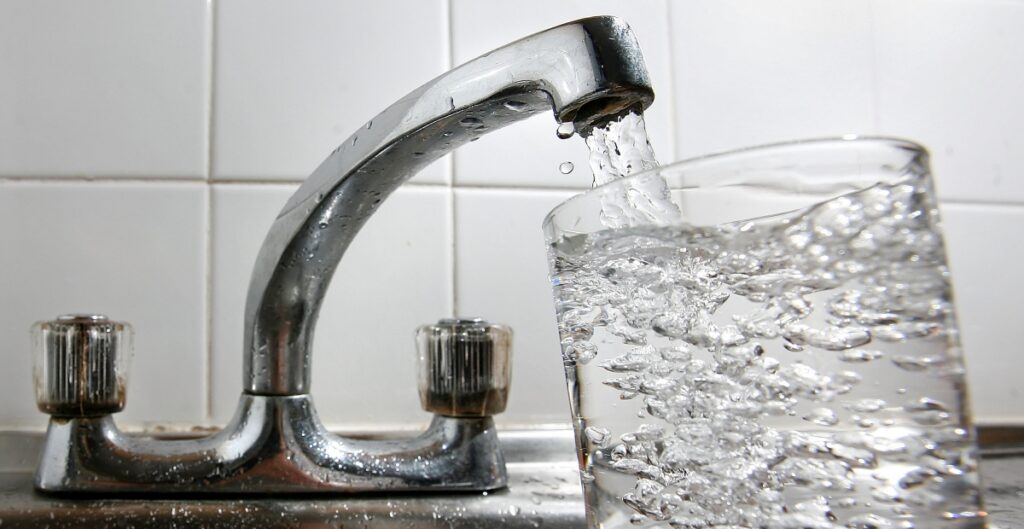
The group also questioned the effectiveness of the Pune Municipal Corporation’s decision to introduce alternate-day water supply across the city. According to them, the measure may not necessarily lead to water conservation and could instead encourage households to store excessive quantities of water, resulting in increased consumption.
They further pointed out that citizens are concerned about whether they will receive adequate water pressure when supply resumes after a day-long interruption. The uncertainty, they said, has heightened public anxiety amid the ongoing water crisis.’
Demanding greater transparency, the activists called for the immediate release of Canal Committee proceedings and water distribution data. They said Pune residents deserve clarity on the decisions taken regarding water allocation and whether the actual supply matched the approved quotas.
The demand comes at a time when Pune is grappling with alternate-day water supply and concerns over reservoir storage levels amid a delayed monsoon.