Indian Government Issues Survival Guide For Indian Nationals/Students in Ukraine (Kharkiv), Check Dos And Don’ts
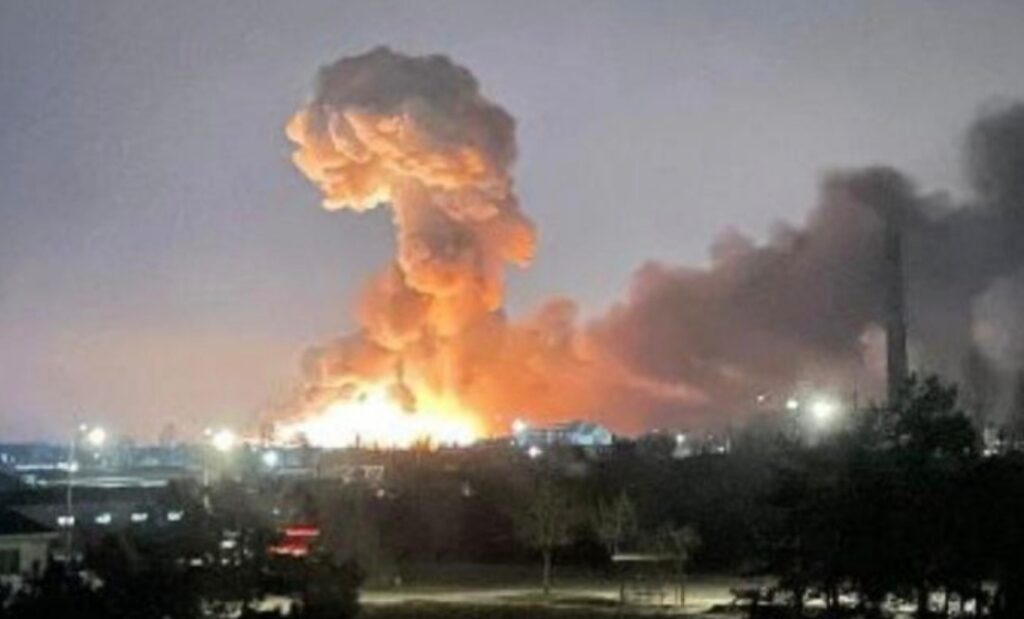
New Delhi, 4th March 2022: An advisory has been prepared by the Manohar Parrikar Institute for Defence Studies and Analyses for Indian citizens, students stranded in Ukraine amidst the Russian invasion.
Potentially dangerous/difficult situations to be expected
Aerial Raids, Attacks by Aircraft/Drones
Missile attacks
Artillery Shelling
Small Arms/Gunfire
Grenade Explosions
Molotov Cocktails (including by local people/militia)
Building Collapse
Falling Debris
Internet Jamming
Lack of Electricity/Food/Water
Exposure to freezing temperature
Psychological Trauma/feeling of Panic
Injuries/Lack of medical support
Lack of Transportation
Face-to-face situation with armed fighters/military personnel
Ground Rules/Do’s
Compile and Share Information with your fellow Indians
Remain mentally strong/Do not panic
Organise yourselves in small groups/squads of ten Indian students/within that organise buddy/pair system/nominate a coordinator and a deputy coordinator in each group of ten persons
Your presence and whereabouts must always be known to your buddy /small group coordinator
Make a WhatsApp group, Compile details, names, address, mobile numbers and contact in India/Share geolocation on WhatsApp with Control Room(s) in Embassy or in New Delhi/Update information every 08 hours/Keep frequent headcount (every 08 hours)/Group/Squad coordinators to report their location to Control Rooms/Helpline Numbers
Only Coordinator/Deputy coordinator should communicate with local authorities/Embassy/Control Rooms in India to conserve phone batteries
Survival Guidelines
Keep ready a small kit of essential items on persons or at hand round the clock
Emergency Kit should contain Passport, ID Card, essential medication, life-saving drugs, torch, matchbox, lighter, candles, cash, energy bars, power banks, water, first-aid kit, headgear, muffler, gloves, warm jacket, warm socks and a comfortable pair of shoes, as available
Conserve and share food and water: avoid full meals, eat smaller portions to extend the rations. Stay hydrated. If you find yourself in an open area/field, melt snow to make water
If available, keep one large garbage bag per person to use as ground matting/cover against exposure to rain/ cold/storm/during forced march/evacuation
If injured or ill – intimate condition and seek advice from Control Room/Helpline/WhatsApp
Delete all unnecessary apps in mobile, limit conversations to low volume/audio mode to conserve battery
Stay indoors, preferably in designated safe zones, basements, bunkers
If you find yourself in the streets, then walk on the sides of the roads, close to cover of buildings, crouch low to avoid being targeted, do not cross streets, avoid city centres, downtown areas. Turn around street corners in urban areas with great caution
In each designated group/squad, keep a white flag/white cloth for waving
Learn two or three sentences in Russian (e.g., we are students, we are not combatants, please do not harm us, we are from India)
Here are the sentences in Russian:
Я студентизИндии (I am a student from India) – Ya student iz Indii
Я некомбатант (I am a non-combatant) – Ya niekombatant
Пожалуйстапомогите (Please help me) – Pozhalusta pomogite mne
When stationary, do regular deep breathing mild movement of limbs to maintain good blood circulation
Pack minimum personal belongings (other than the emergency kit) preferably in small backpack suitable for long trek/walking
Be ready to move under instructions at short notice/do not carry large bags to avoid slowing down, fatigue and crowding
If stopped by military check-post or by police/armed personnel/militia – Cooperate/Obey/Raise your hands with open palms facing forward above your shoulders/Remain polite/Provide necessary information/Contact the Control Room/Helpline when possible without confrontation
Movement for evacuation should be done in coordination with authorities as guided by Control Room/Helpline
Don’ts
Avoid stepping out from your bunker/basement/shelter at all times
Do not go to downtown/crowded areas
Do not join local protestors or militia
Refrain from commenting on social media
Don’t pick up weapons or any unexploded ammunition/shells
Do not take pictures/selfies with military vehicles/troops/soldiers/check posts/militia
Do not try and film live combat situations
In the event of warning sirens, take immediate shelter wherever possible. If you are in the open, lie flat on your stomach and cover your head with your backpack
Do not light fires in enclosed spaces
Do not consume alcohol/refrain from substance abuse
Do not wear wet socks to avoid chill blains/frostbite. Wherever possible, remove your shoes and dry your socks and other wet belongings
Avoid unstable/damaged buildings and be mindful of falling/flying debris
Stay away from glass windows to avoid injury from flying glass during explosions or gunfire
At check-posts, do not alarm the armed personnel by suddenly reaching for things/documents in your pockets unless told to do so.
Do not engage in sudden or jerky movements when confronted by armed personnel.