Former Shark Tank India Judge Ashneer Grover Expresses Disappointment Over 28 Percent Tax On Online Gaming By GST Council
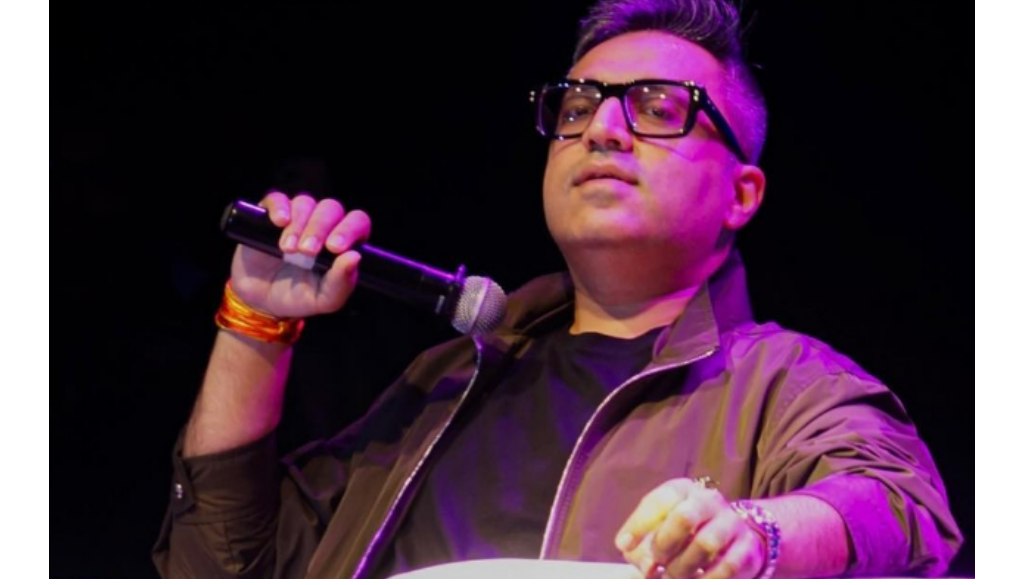
New Delhi, 12th July 2023: Ashneer Grover, the co-founder of BharatPe and former judge of the reality show Shark Tank India, expressed his disappointment regarding the recent decision by the GST Council to impose a 28 per cent tax on online gaming. In a tweet, he stated that it was once enjoyable to be part of the fantasy gaming industry, but now it feels as if it has been “murdered.” He emphasized the negative impact this decision would have on the industry, referring to the loss of a significant amount of money and the need for startup founders to engage in politics to ensure representation.
Grover further criticized the government’s expectation that players would invest Rs 100 in a game with a Rs 72 pot entry fee, only to win Rs 54 after deducting platform fees and then be subject to a 30 per cent tax deduction on their winnings. He sarcastically remarked that such players would receive a free swimming pool in their living room during the monsoon, implying that this scenario is unlikely to happen.
In another tweet, Grover expressed his irony and amusement at the situation in India. He mentioned the hypocrisy of individuals who boast about making fortunes through land speculation, while simultaneously condemning online gaming for allegedly corrupting the youth. He humorously suggested that the government should introduce a 28 per cent GST and 20 per cent TCS (Tax Collected at Source) on land purchases.
The decision made by the GST Council to impose a 28 per cent tax on online gaming, horse racing, and casinos has drawn criticism from industry players. Soham Thacker, the founder and CEO of Gamerji, highlighted the adverse effects on user base, revenues, and investor sentiment in both real money gaming (RMG) and non-RMG sectors. He explained that non-RMG companies would experience a slight impact on subscription-driven revenues due to the increased GST rate. Some companies may choose to absorb the impact or consider raising subscription costs. Additionally, to mitigate the impact on investors, certain gaming companies may relocate their operations outside of India, treating the country as a secondary market.
Previously, the GST was only applicable to the gaming fee paid by companies, but now the 28 per cent tax applies to the entire pool of money, affecting winnings and the overall user experience. Thacker concluded that this decision would setback RMG companies and their user base, potentially slowing down the growth of the gaming industry in India.