“Constitution Is Supreme, Not Parliament”; All Pillars Of Democracy Are Subordinate To The Constitution: CJI Gavai
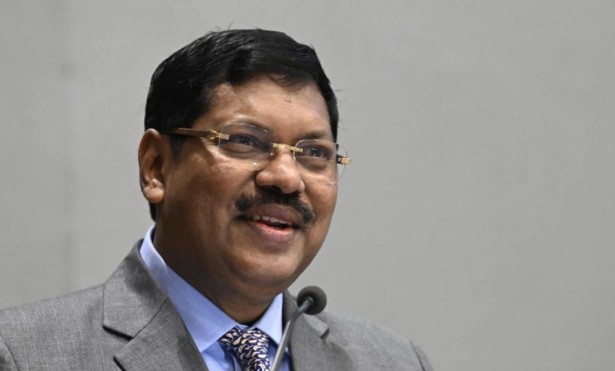
Amravati, 26th June 2025: Chief Justice of India B.R. Gavai reaffirmed on Wednesday (25th June) that the Constitution of India stands above all, including Parliament. Speaking at a felicitation ceremony during his visit to his hometown Amravati, the Chief Justice made a strong pitch for constitutional supremacy, stating that all three pillars of democracy — the judiciary, executive, and legislature — function under the Constitution.
“Some people say that Parliament is supreme. But in my opinion, the Constitution is the highest authority in the country,” said CJI Gavai, who took oath last month as the 52nd Chief Justice of the Supreme Court.
Addressing the gathering, he clarified that while Parliament has the power to amend the Constitution, it cannot alter its basic structure. He emphasized that the legitimacy of all democratic institutions flows from the Constitution, not from each other.
“There’s always a debate about which pillar of democracy is the most powerful — the executive, legislature, or judiciary. Many believe it is Parliament. But I firmly believe India’s Constitution reigns supreme,” he reiterated.
In a significant observation, CJI Gavai added, “A judge does not become independent simply by passing orders against the government. Judicial independence is about duty — a duty to uphold the rights of citizens and the values enshrined in the Constitution.”
He also cautioned against letting public opinion influence judicial reasoning. “A judge must not be guided by what people think or say about their decisions. **We must think independently. Public sentiment cannot shape our judgments,” he asserted.
Referring to his own judicial record, the Chief Justice stated that he has always let his work speak for itself and has consistently stood by the fundamental rights enshrined in the Constitution. He recalled his ruling against the practice of “bulldozer justice,” stating unequivocally that “the right to shelter is paramount.”