Malegaon Blast Case Verdict Due Today After 17-Year Legal Battle; 7 Accused Await Judgment
Mumbai/Pune, 31st July 2025: After nearly 17 years of legal proceedings, a special court of the National Investigation Agency (NIA) in Mumbai is set to deliver its verdict on Thursday in the 2008 Malegaon blast case — one of India’s most controversial terror cases involving high-profile accused and shifting investigative narratives.
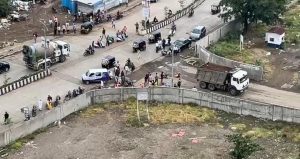
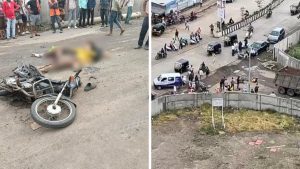
The blast took place on September 29, 2008, in Malegaon, a communally sensitive town in Nashik district, during the holy month of Ramzan and on the eve of Navratri. An explosive device strapped to a motorcycle detonated near Bhikku Chowk, killing six people and injuring over 100 others.
Among the victims was 10-year-old Farheen, who had gone out to buy vada pav. Her father, Sayyed Liyaqat, said, “I’ve waited for justice for years. I still believe the court will acknowledge our pain and hold the guilty accountable.”
Seven Accused Face Verdict After Long Trial
The seven individuals on trial include Pragya Singh Thakur, now a Bharatiya Janata Party (BJP) Member of Parliament from Bhopal; Lt Col Prasad Purohit; Major (Retd) Ramesh Upadhyay; Ajay Rahirkar; Sameer Kulkarni; Sudhakar Chaturvedi; and Sudhakar Dhar Dwivedi. All are currently out on bail.
The accused face charges under various sections of the Unlawful Activities (Prevention) Act (UAPA) and the Indian Penal Code (IPC), including terrorist activity, criminal conspiracy, murder, and promoting enmity between groups.
The Maharashtra Anti-Terrorism Squad (ATS), under the leadership of the late Hemant Karkare, led the initial investigation. The ATS claimed the motorcycle used in the blast was registered in Pragya Thakur’s name and that Purohit had procured the RDX from Jammu and Kashmir and stored it at his residence. The ATS also linked the accused to the Abhinav Bharat organization and alleged a broader ideological conspiracy to establish a “Central Hindu Government” or “Aryawart” as retaliation against perceived atrocities on Hindus.
Twists in Investigation and Allegations of Bias
In 2011, the investigation was handed over to the NIA, which marked a turning point in the case. In 2015, Special Public Prosecutor Rohini Salian publicly accused the NIA of pressuring her to “go soft” on the accused. Following her removal, a supplementary chargesheet filed by the NIA in 2016 criticized the ATS for allegedly planting RDX evidence and cleared Pragya Thakur of direct involvement, citing lack of prosecutable evidence.
Despite this, the special court ruled in December 2017 that Thakur, Purohit, and others would face trial under UAPA, although it dropped charges under the Maharashtra Control of Organised Crime Act (MCOCA). In October 2018, charges of murder and terrorism were formally framed.
A Lengthy and Dramatic Trial
The trial began on December 3, 2018, and involved testimony from more than 320 prosecution witnesses, with 37 turning hostile. A request for in-camera proceedings was rejected, keeping the courtroom open to the public. The courtroom saw its share of drama—most notably in June 2019, when Pragya Thakur, then an elected MP, complained about courtroom conditions, calling her chair “small and dirty” and the environment “dusty.”
As the court prepares to announce its judgment, the case remains a lightning rod in India’s political and judicial history, reflecting tensions around religion, nationalism, and justice.