
Air, Noise, and River Pollution on the Rise in Pimpri-Chinchwad: Civic Body Releases Grim Environmental Report
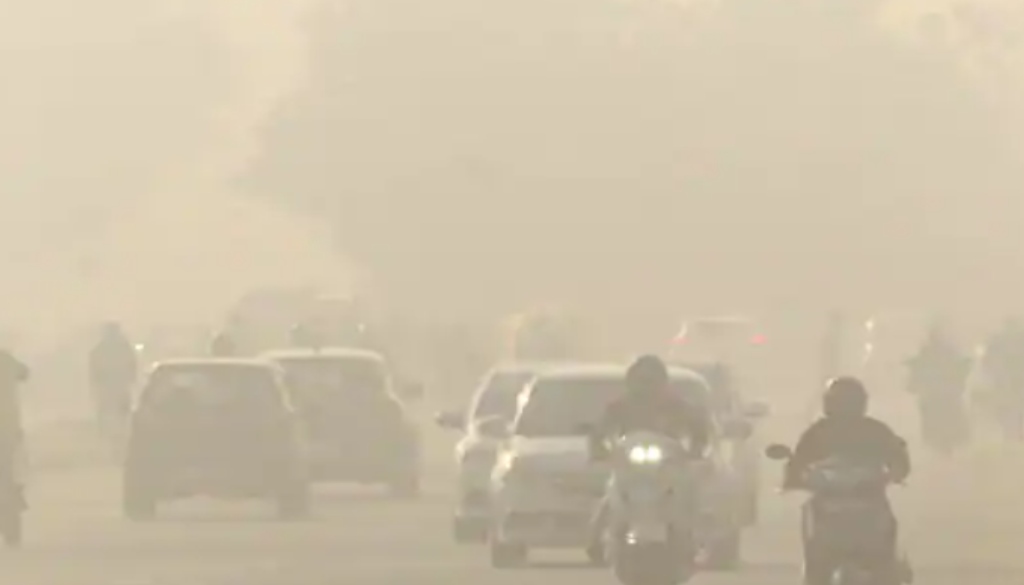
Pimpri, 6th August 2025: Industrial expansion, the surge in vehicle registrations, and deteriorating living conditions are taking a toll on the environment in Pimpri-Chinchwad, according to the Environmental Status Report (ESR) 2024-25 released by the Pimpri-Chinchwad Municipal Corporation (PCMC) on Tuesday. The report highlights alarming levels of air and noise pollution, along with rising contamination in rivers flowing through the city.
The comprehensive report tracks 25+ indicators of urban sustainability, including climate change impact, air and noise quality, waste management, sewage treatment, and river pollution. It paints a concerning picture of the city’s ecological health amid rapid urbanization and population growth.
Alarming Rise in Air and Noise Pollution
The Maharashtra Pollution Control Board’s standards have been breached, with airborne dust particles exceeding safe limits. The spike is largely attributed to the increase in vehicular traffic, construction activity, and industrial emissions.
Noise pollution levels have also surged, especially in high-traffic zones like Talwade, Bhosari MIDC, Pimpri Camp, Pimple Saudagar, malls, vegetable markets, and metro corridor areas. The report confirms that decibel levels in these regions exceed permissible limits, posing a risk to public health.
Vehicle Numbers Soar, EV Adoption Still Low
The city, now home to 2.5 million residents, has witnessed a 36% rise in vehicle registrations over the past year, taking the total number of vehicles to 19.08 lakh. However, electric vehicles (EVs) make up only 3.5% of the total — around 50,902 units — indicating the need for stronger incentives and infrastructure for sustainable transport.
Rivers Heavily Polluted
All three major rivers flowing through Pimpri-Chinchwad — Pawana, Indrayani, and Mula — are polluted. The Pawana River, which runs through the city’s heart for 24.4 km, is the most severely affected. Untreated sewage from residential drains continues to be discharged directly into the river.
The Indrayani River in the city’s northern region suffers from chemical pollution caused by industrial effluents, while the Mula River in the south is also polluted, the report notes.
Solid Waste and Renewable Energy Efforts
Despite the challenges, the PCMC has highlighted progress in waste-to-energy initiatives. At the Moshi waste depot, 3.51 lakh metric tons of household waste have been processed, generating 13.79 crore units of electricity. Additionally:
39,827 tons of waste were processed under the construction radar management project.
3,593 tons of hotel wet waste were converted into 1,12,249 kg of biogas.
Tree Plantation and Green Initiatives
In a bid to combat environmental degradation, the civic body claims to have planted 1,73,576 trees last year. However, activists argue that plantation efforts need to be matched with strict implementation of pollution control laws.
Key Data from the Report:
Population: 2.5 million
Total vehicles: 19,08,550
EVs registered: 50,902 (3.5%)
Pawana River length in city: 24.4 km
Solid waste processed: 3.51 lakh metric tons
Electricity generated: 13.79 crore units
Biogas generated: 1,12,249 kg