50% US Tariff Comes Into Effect: Rs 5.4 Lakh Crore Indian Exports at Risk, Jobs and Sectors Under Pressure
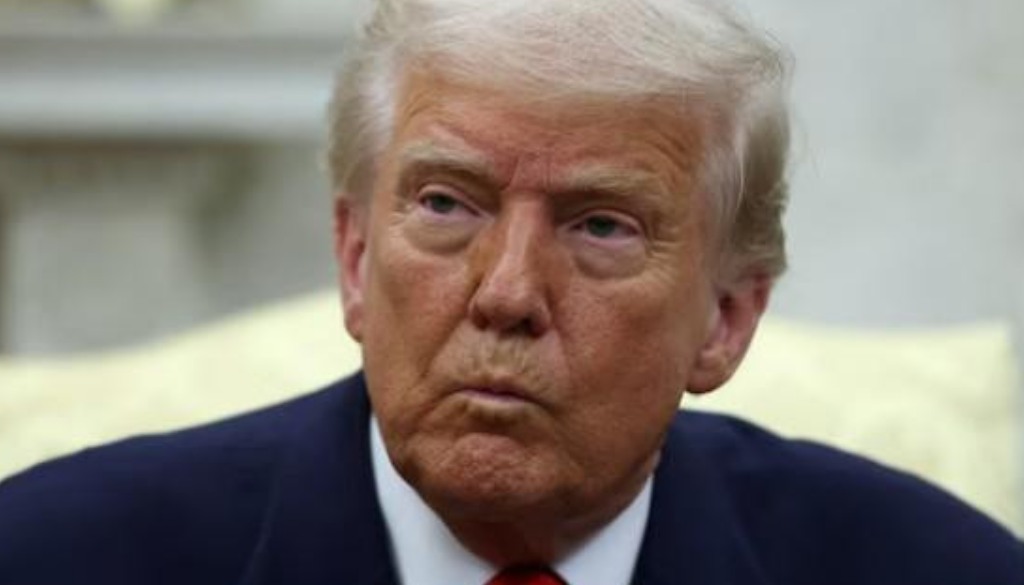
New Delhi, 27th August 2025: Starting today, a steep 50% tariff has come into force on goods exported from India to the United States, dealing a heavy blow to Indian industries that rely on the American market. According to the Global Trade Research Initiative (GTRI), the move could impact nearly ₹5.4 lakh crore worth of exports, ranging from textiles, gems and jewellery, seafood, to machinery and auto parts.
Economists warn that the tariff could slash demand for Indian products in the US by up to 70%, allowing competitors such as China, Vietnam and Mexico—who face much lower duties—to eat into India’s market share.
Which Sectors Are Hit the Hardest?
1. Machinery and Auto Parts
Earlier: India exported $19.16 billion (₹1.68 lakh crore) worth of engineering goods to the US in 2024, with auto parts forming a significant share. Duties earlier ranged from 10–25%.
Now: With the new tariff, ₹30,000 crore worth of auto parts exports are directly at risk. Small and medium enterprises (SMEs), which account for 40% of exports, may face severe strain. Experts caution that thousands of jobs in the sector could be lost.
Way forward: Expand exports to Europe and ASEAN nations; government may need to extend PLI schemes to reduce production costs.
2. Electronics
Earlier: India exported $14 billion (₹1.23 lakh crore) worth of electronics to the US, including a large share of Apple iPhones manufactured in India.
Now: Electronics remain exempt for the moment, but if tariffs under Section 232 of the US Trade Expansion Act are imposed, smartphone exports could face a 50% levy. Apple and Samsung may shift parts of their supply chain to tariff-free nations.
Way forward: Negotiate exemptions for smartphones and semiconductors, while strengthening domestic markets and Indian brands.
3. Pharmaceuticals
Earlier: India exported $10.52 billion (₹92,000 crore) worth of medicines to the US in 2024, making up 40% of US pharma imports.
Now: Pharma remains exempt for now, but Donald Trump has hinted at 150% tariffs within 18 months, and 250% later. If imposed, drug prices would double, threatening Indian majors like Sun Pharma, Dr. Reddy’s, Cipla, Lupin.
Way forward: Push for trade deals to protect generics in the US and expand in Europe and Latin America.
4. Gems and Jewellery
Earlier: India exported nearly $9.94 billion (₹87,000 crore) of gems and jewellery to the US in 2024, almost 45% of America’s diamond imports.
Now: With tariffs rising to 50%, exports could fall 15–30%, putting artisan jobs at risk. Indian companies may shift production to Dubai or Mexico, where tariffs are just 10–25%.
Way forward: Fast-track an India-US Bilateral Trade Agreement, while strengthening European markets.
5. Textiles
Earlier: India shipped $10 billion (₹87,000 crore) worth of textiles to the US, with exports rising 14% in early 2025.
Now: With costs rising by 50%, demand could shrink by 20–25%, reducing India’s share of US textile imports to nearly half.
Way forward: Target EU, UK, and UAE markets, which already account for 45% of exports. Domestic players are lobbying to cut India’s 11% import duty on raw cotton to stay competitive.
6. Seafood
Earlier: India exported ₹60,000 crore worth of seafood to the US annually, accounting for 40% of total seafood exports and employing 2 crore people.
Now: With the 50% tariff, ₹24,000 crore of business is at risk. Competitors like Ecuador (10% duty), Vietnam (20%), and Indonesia (19%) will gain the upper hand.
Way forward: Expand exports to China and European markets.
How the Tariff Impacts India Beyond Trade
1. Jobs at Stake: Industry associations warn of mass layoffs as companies cut back production in textiles, gems, and auto parts. While the exact number is uncertain, SMEs in engineering and garment sectors are most vulnerable.
2. Impact on GDP: Fewer exports mean lower government earnings. Economists estimate India’s GDP growth could slow by 0.2–0.6% if the tariff continues.
3. Shift in Trade Strategy
India is working on a new export strategy for 50 countries across Europe, Russia, the Middle East, and Africa.
FTAs with EFTA countries (Iceland, Norway, Switzerland, Liechtenstein) will kick in from October.
A trade deal with the UK is likely by April 2026, with talks underway with Oman, Chile, Peru, Australia, New Zealand, and the EU.
Why Did the US Impose This Tariff?
A tariff is a tax imposed on imports. The Trump administration has argued that India charges high tariffs on US goods while enjoying easy access to American markets. Citing “reciprocal tariff policy” and concerns over India’s purchases of Russian oil and military equipment, Trump doubled the import duty to 50%.
The Road Ahead
The tariff shock comes at a crucial time for India, which has been pushing to position itself as a global manufacturing hub. While the short-term impact could be painful—with reduced exports, shrinking orders, and job losses—trade experts say the crisis may also accelerate India’s efforts to diversify its export markets and renegotiate global trade deals.
For now, however, exporters and workers across India’s key industries are bracing for uncertain months ahead.