Pune: Haffkine Institute Seeks Rs 150 Crore Government Support to Boost Vaccine Production
Pimpri-Chinchwad, 13th September 2025: The Haffkine Institute, a globally reputed institution known for producing high-quality vaccines, has submitted a proposal of Rs 150 crore to the Maharashtra government to strengthen its operations. The move aims to expand vaccine production and enhance research facilities in response to rising international demand.
Food and Drug Administration (FDA) Minister Narhari Zirwal, who reviewed the Haffkine Biopharmaceutical Manufacturing Corporation project in Pimpri-Chinchwad on Friday, assured that the state government will work towards finding a solution. “A positive way forward will be charted after discussions with Deputy Chief Minister Ajit Pawar,” Zirwal said.
The review meeting was attended by Haffkine Managing Director Sunil Mahindrakar, General Manager Dr. Pradeep Dhiwar, Manager Navnath Garje, Pimpri-Chinchwad Project Manager Dr. Babasaheb Kuhe, FDA Joint Commissioner Girish Hukre, Assistant Commissioner Kondiba Gadewar, and former Pimpri-Chinchwad Mayor Yogesh Behl, among other officials.
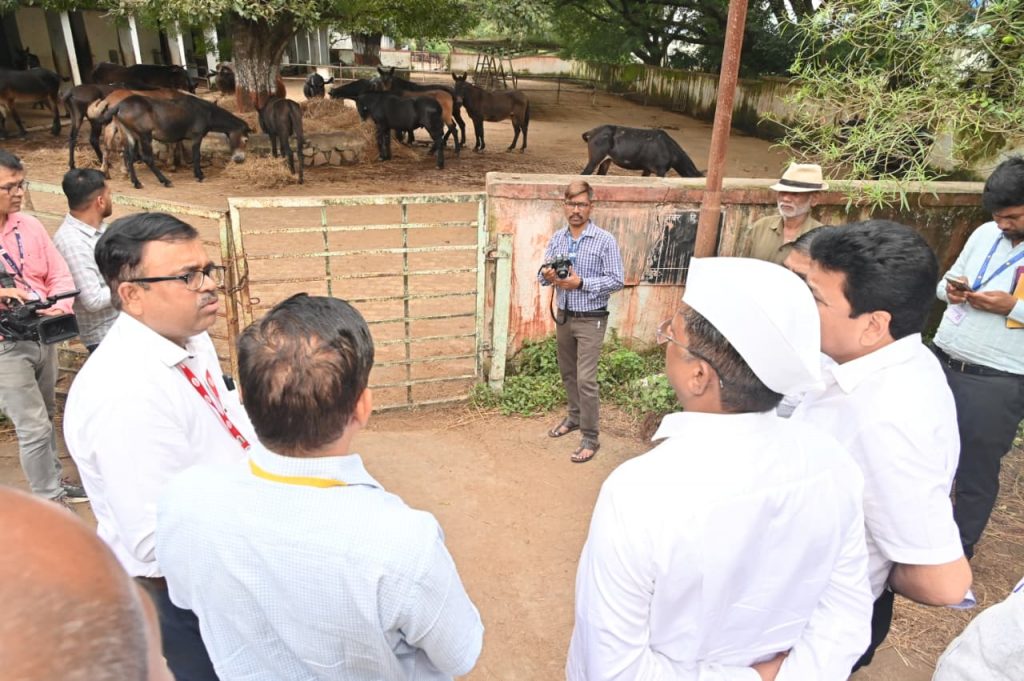
During his visit, Minister Zirwal inspected the antidote production unit, quality assurance division, veterinary department, staff accommodation, snake house, and stables. He gathered details about the institute’s research activities, vaccine production capacity, demand and supply chain, quality standards, storage, and testing processes.
At the review, Mahindrakar provided updates on the Mumbai center, while Dr. Kuhe outlined the infrastructure, manpower, staff facilities, equipment availability, and financial status of the Pimpri-Chinchwad unit. A presentation highlighted the institute’s work in producing antidotes for snakebites, scorpion stings, dog bites, and gas gangrene, as well as vaccines such as anti-tetanus and polio. Information was also shared on storage facilities and revenue generated from these activities.
The proposed funding is expected to boost the institute’s capacity to meet both domestic and international vaccine requirements, while also supporting research and innovation in public health.