Maharashtra Considers Dedicated Corporation for Families Affected by Land Acquisition
Pune, 26th December 2025: With several large-scale infrastructure and development projects underway across Maharashtra, the state government is exploring the creation of a dedicated corporation to provide uniform benefits and rehabilitation support to families affected by land acquisition.
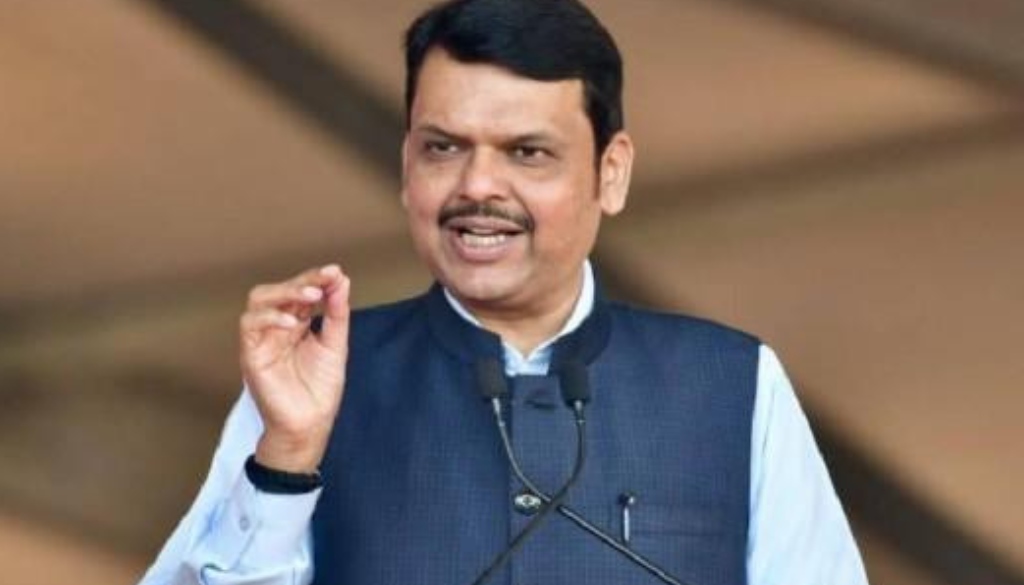
The proposal gained traction after a meeting chaired by Chief Minister Devendra Fadnavis to review land acquisition for the proposed Purandar airport. During the meeting, farmers and landowners likely to be affected by the project presented various demands to the government. In response, the Chief Minister instructed the administration to initiate steps for establishing a separate corporation exclusively for project-affected persons.
Speaking on the occasion, Fadnavis said the government is considering setting up such a corporation not only for Pune district but for the entire state. “Pune district alone has development projects worth over ₹1 lakh crore in the pipeline. Work has already commenced on major projects such as the airport and the ring road, while several others — including the Pune–Nashik, Pune–Aurangabad, and Mumbai–Pune–Hyderabad corridors — are at the proposal stage. These projects will involve large-scale land acquisition,” he noted.
Once operational, the proposed corporation would ensure that benefits under various government schemes reach all project-affected families in a structured and consistent manner.
Officials highlighted that while development projects differ in scale, nature, and location, affected families face varying challenges, making uniformity in rehabilitation norms essential. Currently, aspects such as issuance of project-affected certificates, skill development training for family members, and opportunities for participation or employment in projects are governed by different criteria.
The proposed corporation is expected to bridge this gap by establishing consistent policies for rehabilitation and welfare of project-affected persons, while accommodating project-specific challenges. The initiative is seen as a step toward balancing rapid infrastructure growth with social equity, ensuring fair compensation and support for those displaced by development projects.