Keeping the Grassroots Game Alive: How PYC Hindu Gymkhana Shapes Pune’s Sporting Future
By Laavya Kabra
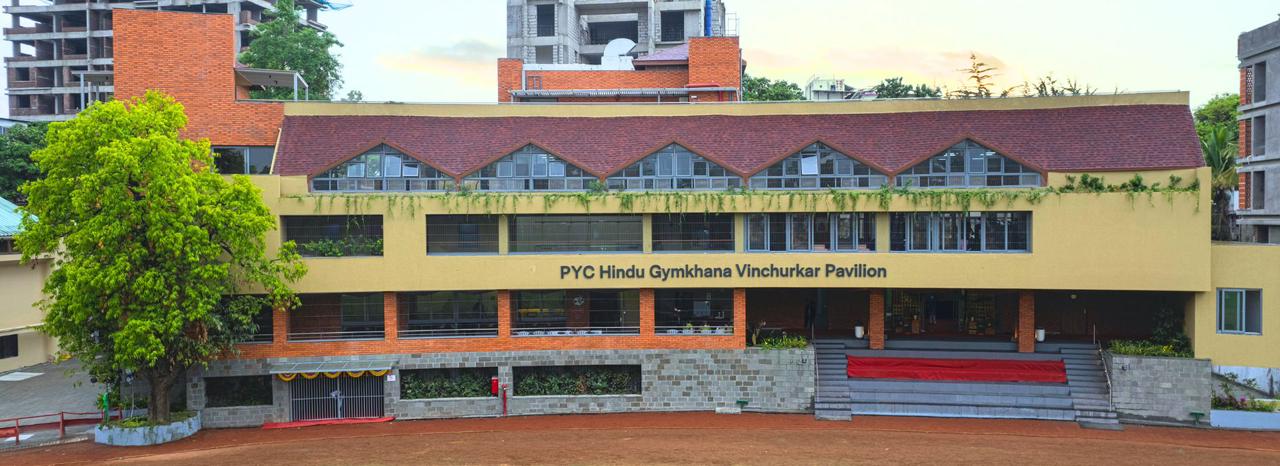
Deccan, 28th February 2026: In a city like Pune, where sport is deeply woven into the cultural fabric, grassroots training plays a crucial role in shaping the athletes of tomorrow. Among the institutions contributing meaningfully to this ecosystem, PYC Hindu Gymkhana continues to stand out as a space where infrastructure, coaching, and sporting values come together to nurture talent.
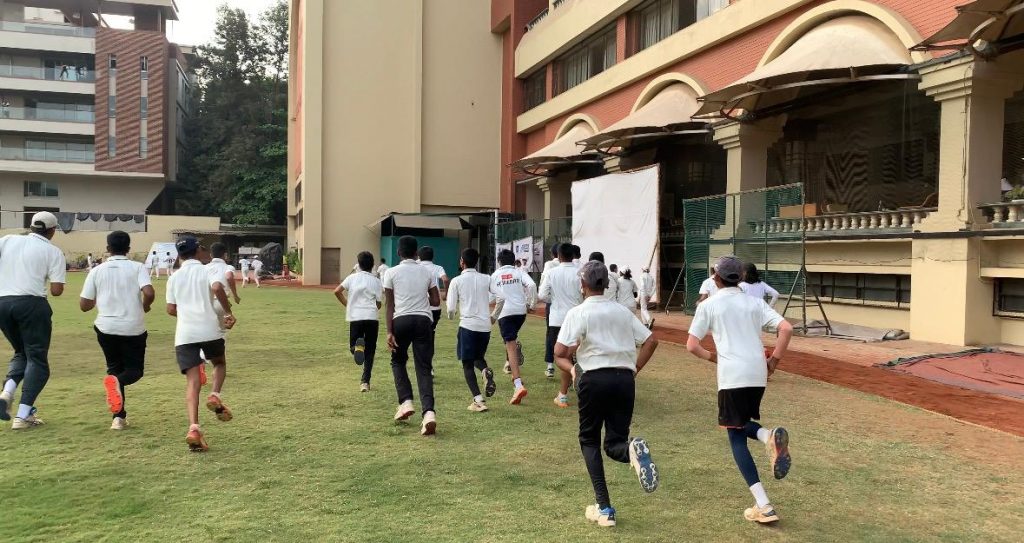
With over a decade of coaching experience at the venue, women’s cricket coach Avijit Paranthay highlights the depth and continuity of the training structure. “We have teams ranging from Under-12 to senior level, for both men and women, and batches run from morning to evening,” he says. This seamless progression allows young players to enter the system early and develop steadily without the disruption of changing training environments.
Access to diverse facilities further strengthens this development pathway. “Players can use the entire ground, natural turf, astro turf, gym facilities, and even the swimming pool — everything is available under one roof,” Paranthay explains. Exposure to varied playing conditions helps athletes sharpen their technical skills while developing game awareness from a young age.
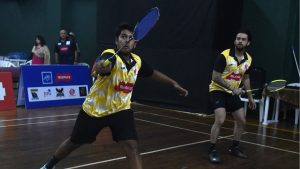
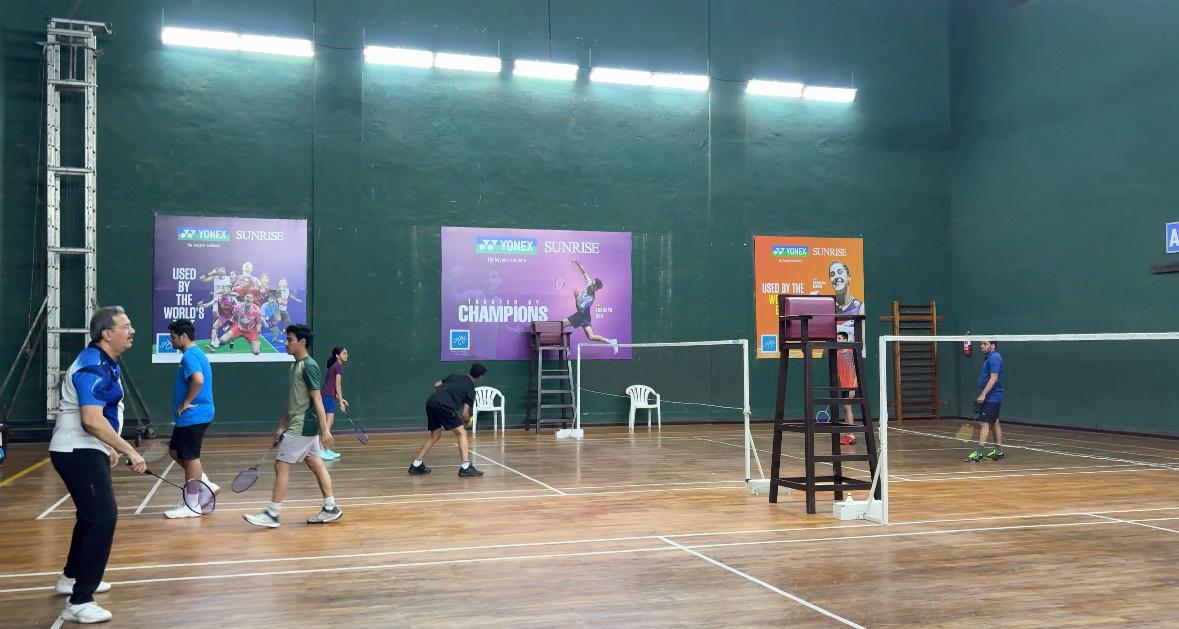
Badminton coach Kumesh Sarpe, who has been associated with the institution for nearly two decades, points to the structured and athlete-centric approach to coaching. “We conduct batches based on the standard of the children — basic, intermediate, and advanced,” he notes, underlining how training is tailored to individual learning stages rather than following a one-size-fits-all model.
Equally significant is the Gymkhana’s commitment to accessibility, particularly for beginners. “Dedicated slots are provided specifically for coaching, ensuring facilities are available for younger kids and freshers,” Sarpe adds. Such inclusivity plays a key role in encouraging early and sustained participation in sports.
The institution has also contributed to a noticeable rise in female participation. “Earlier, motivation among girls was lower, but now participation has increased, and we are accustomed to coaching female players at every level,” Paranthay observes. This shift mirrors a broader national trend, as women’s sports continue to gain visibility and recognition.
Beyond infrastructure, what truly sets grassroots development apart is consistency — daily training sessions, structured batches, and sustained mentorship. The focus extends beyond performance to instilling discipline, routine, resilience, and self-belief in young athletes.
As Pune’s sporting landscape continues to evolve, institutions like PYC Hindu Gymkhana remain vital to grassroots development — not just producing athletes, but shaping confident, disciplined individuals with the foundation to chase their sporting dreams.