Maharashtra Targets 4 Lakh Jobs in Animation and Gaming; Mumbai–Pune Corridor to Anchor $50-Billion Creative Tech Ecosystem
Pune/Mumbai, 6th March 2026: Maharashtra has unveiled an ambitious roadmap to transform the state into a global hub for animation, visual effects and gaming, with the Mumbai–Pune corridor expected to drive a proposed $50-billion creative technology ecosystem and generate nearly four lakh skilled jobs.
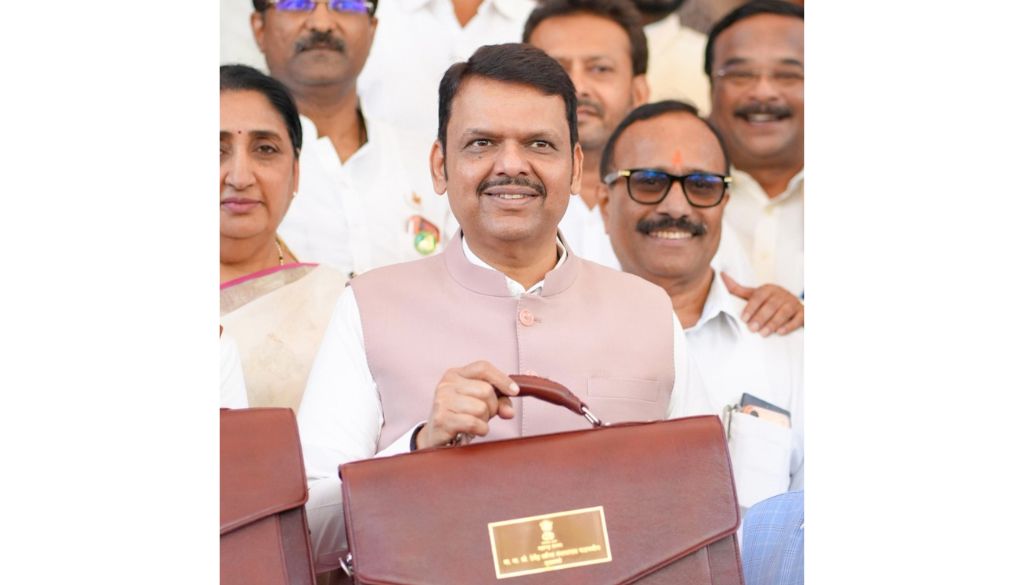
The vision was outlined by Chief Minister Devendra Fadnavis while presenting the Maharashtra state budget, where he emphasised the government’s focus on expanding the digital entertainment sector and positioning the state as a leading destination for creative technology industries.
As part of the initiative, the state government plans to support the establishment of more than 295 animation and gaming studios across Maharashtra. Officials believe the move will help strengthen the sector’s infrastructure, attract global investment and create a large number of employment opportunities in creative and technology-driven fields.
Authorities said the development of new studios, along with industry partnerships, is expected to accelerate the growth of the animation and gaming ecosystem over the coming years.
Mumbai–Pune Region to Drive Growth:
The government has identified the Mumbai–Pune corridor as the primary growth engine for the proposed creative technology hub. Policymakers say the region already benefits from a strong presence of technology companies, creative professionals, and academic institutions that can support the sector’s expansion.
In particular, Pune has emerged as an important destination for Global Capability Centres (GCCs) in technology-focused industries. Officials believe that the growth of animation and gaming studios in the city could further strengthen its role as a technology and innovation hub.
Focus on Skills and Creative Infrastructure:
The budget announcement also highlighted plans to build specialised studio infrastructure and strengthen the skill ecosystem required for the industry. Authorities aim to facilitate the development of more than 250 studios in the coming years, along with training programmes designed to prepare a skilled workforce for animation, gaming and digital media production.
The policy complements initiatives such as the WAVES Conference and the Indian Institute of Creative Technology, which the Union government has supported to promote innovation, research and skill development in emerging creative technologies.
Shift Toward Digital Entertainment:
For Mumbai—long recognised as the centre of India’s film industry—the initiative signals a broader shift toward fast-growing digital entertainment sectors such as animation, gaming and interactive media. Policymakers believe these industries offer strong export potential and the ability to generate high-skill employment on a large scale.
Industry observers say the target of creating four lakh jobs makes the plan one of the most significant employment initiatives proposed in a state budget. However, they note that its success will depend on the timely development of studio infrastructure, skill training systems and collaborations with global companies.
If implemented effectively, the strategy could position Maharashtra—particularly the Mumbai–Pune region—as a major international destination for animation, gaming and digital content production.