CBSE Makes Third Language Compulsory; Introduces New Curriculum Changes
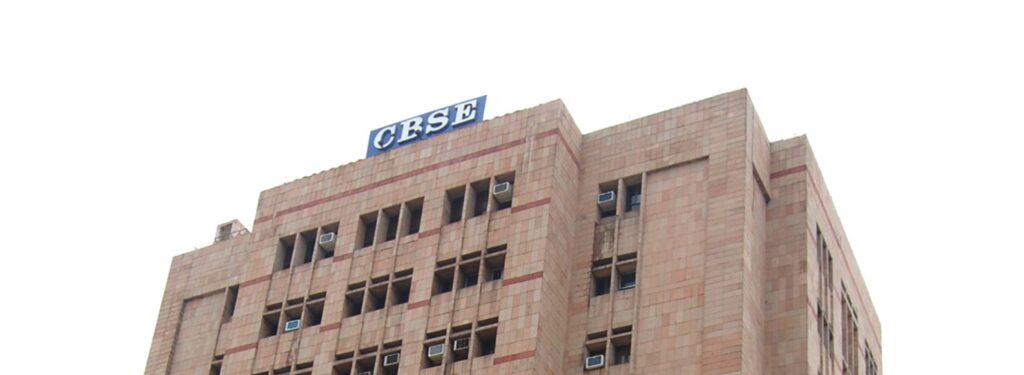
New Delhi, 4th April 2026: The Central Board of Secondary Education (CBSE) has released a new curriculum for the 2026–27 academic session and has brought several important changes in school education.
One of the key changes is the introduction of a compulsory third language from Class 6. Under this system students will study three languages instead of two, as recommended by the National Education Policy 2020.
Students will also be required to learn at least two Indian languages. However, this rule will be fully implemented later, when these students reach Class 10 board exams in 2031.
The new curriculum also makes vocational education compulsory for students in Classes 9 and 10. This aims to help students develop practical and job-related skills. Initially, vocational education will be assessed in schools but from the 2027–28 session, it will become a subject with board or annual exams.
In addition, art education and physical education have also been made compulsory in Classes 9 and 10. These subjects will mainly be evaluated through internal school assessments.
Another major change is the introduction of computational thinking and artificial intelligence as compulsory subjects. These will first be assessed internally and later included in board exams by 2029.

The board has also introduced a two-level system for Mathematics and Science in Class 9. Students can choose between a standard level and an advanced level, allowing them to study based on their ability and interest.
Overall, the new curriculum focuses on skill development, flexibility, and practical learning, in line with the goals of the National Education Policy.