End of an Era: No Left Government in India After Kerala Election 2026
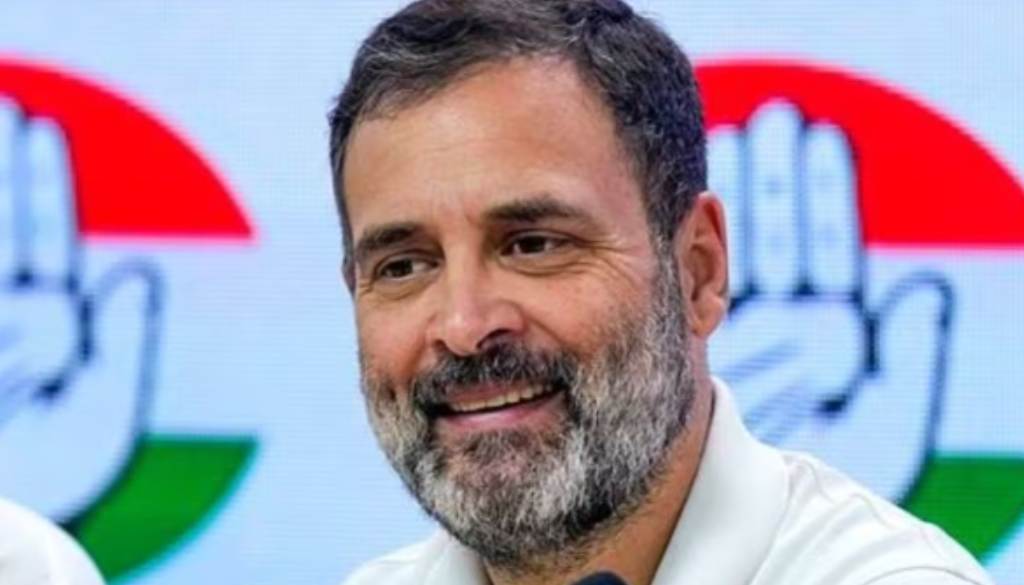
Kochi, 4th May 2026: The Left Democratic Front (LDF) led by Chief Minister Pinarayi Vijayan has suffered a decisive defeat in the Kerala Assembly elections, with the Congress-led United Democratic Front (UDF) winning more than 90 of the 140 seats to return to power after a decade.
The result marks a significant political turning point, as it will be the first time in nearly five decades that no Left government is in power in any Indian state.
According to early trends and party estimates, the UDF’s strong performance reflects a shift in voter sentiment, ending the LDF’s consecutive tenure in the state. The outcome is also being seen as a major setback for Left parties nationally, with Kerala long regarded as their last stronghold.
A look at the decline of Left politics in India
The roots of Left politics in India date back to the pre-independence era, with the Communist Party of India (CPI) playing a key ideological role. However, the party initially refused to recognise India’s independence in 1947 as complete, calling it a “compromise” and taking several years to fully accept the new political framework.
In 1957, Kerala made history by electing the world’s first democratically chosen Communist government under E.M.S. Namboodiripad. The government introduced landmark land and education reforms, reshaping the state’s socio-economic landscape. However, it was dismissed in 1959 following widespread protests and political opposition.
The Communist movement later faced internal divisions, particularly after the 1962 India–China war. Ideological differences led to a formal split in 1964, resulting in the formation of the Communist Party of India (Marxist), or CPI(M).
Rise and fall in West Bengal and beyond
Left parties gained significant political ground in West Bengal, where they first came to power in 1967 and later established a long-standing government from 1977 to 2011 under leaders like Jyoti Basu. The 34-year rule ended when Mamata Banerjee-led Trinamool Congress swept to power, marking the beginning of the Left’s decline in the state.
The Left also maintained a strong presence in Tripura until 2018, when it was defeated after 25 years in power. Since then, its influence has continued to shrink across states.
At the national level, Left parties reached their peak in the 2004 Lok Sabha elections, winning 80 seats and playing a crucial role in supporting the UPA government led by Prime Minister Manmohan Singh. However, their withdrawal of support in 2008 over the Indo-US nuclear deal marked the beginning of a prolonged decline in national politics.
End of an era
With the latest defeat in Kerala, political analysts say the Left has lost its last major bastion in India. The LDF’s exit from power is expected to have far-reaching implications for the future of Left politics, both at the state and national levels.
While the UDF prepares to form the next government, the results underscore a broader shift in India’s political landscape, where Left parties are struggling to maintain relevance amid changing voter priorities and evolving electoral dynamics.
The final results are awaited, but trends indicate a decisive mandate in favour of the UDF, bringing an end to the Left’s last remaining government in the country.