
From Paris to Pune: How a Son’s Fear for His Mother Led to the Creation of an AI Wellness Band for India’s Elderly
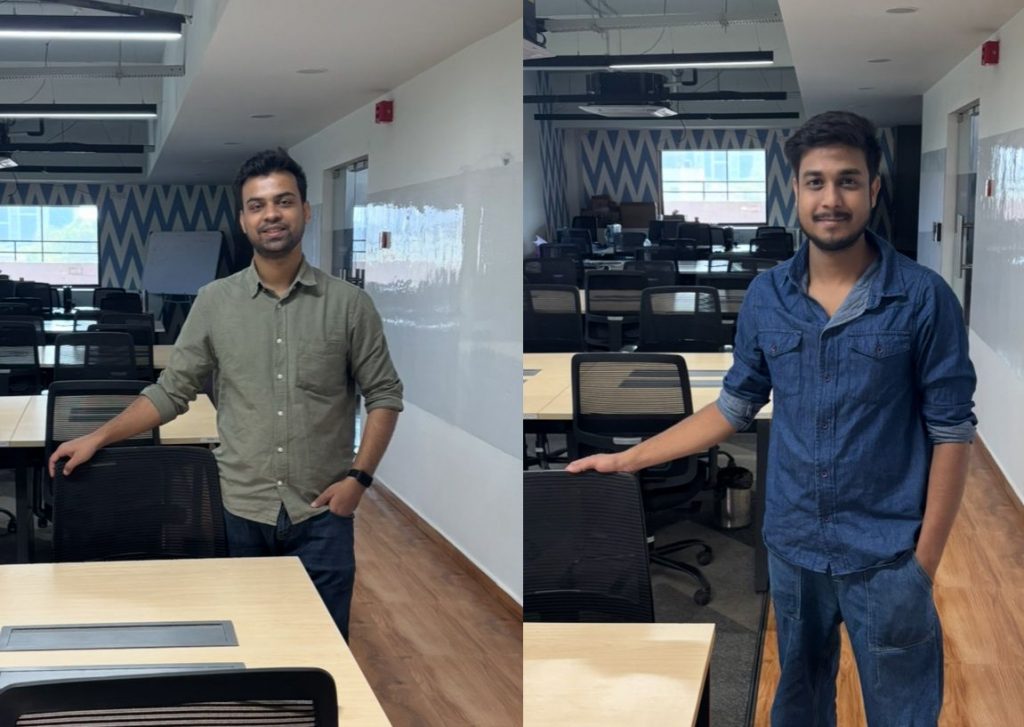
Reported by Mubarak Ansari
Pune, 19th May 2026: In an age where families are increasingly separated by cities, countries, and time zones, a Pune-based health-tech startup is attempting to solve one of modern India’s most emotional challenges — caring for ageing parents from afar.
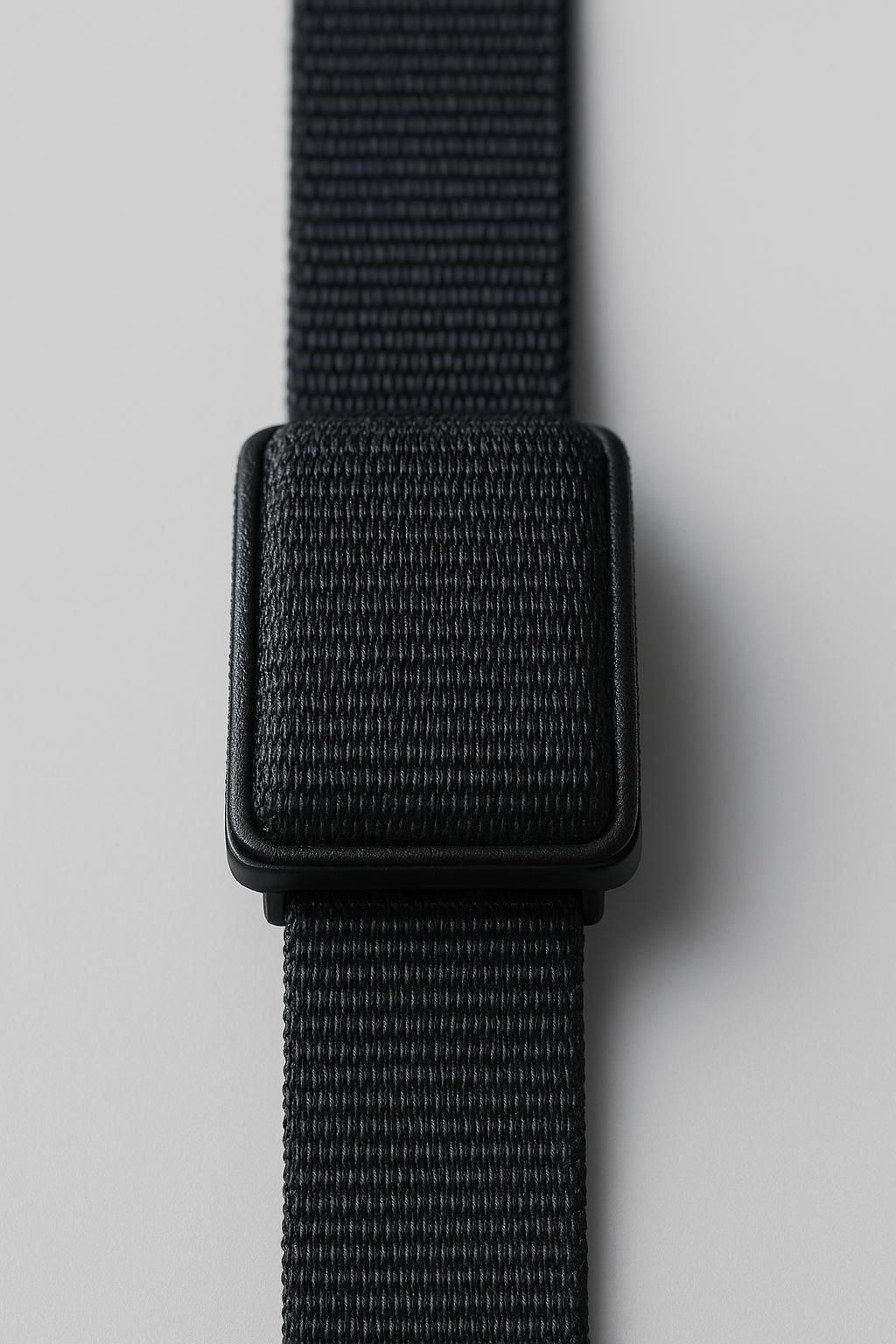
Founded in March 2025, Bitwell has developed an AI-enabled wellness band designed specifically for senior citizens. The lightweight wearable, called the BitwellBand, quietly monitors heart rate, oxygen saturation, movement activity, stability, and possible fall incidents, while sending alerts and wellness insights to family members through a companion mobile application.
But behind the technology lies a deeply personal story.
For co-founder Harsh Vardhan Singh, the idea for Bitwell did not emerge from a boardroom or a startup incubator. It began with a phone call from India while he was working in a high-paying corporate role in Paris.
“My mother fell on the stairs when she was alone at home,” Singh recalled. “Thankfully, it was not catastrophic, but it shook me. I realised how helpless so many families feel when parents live alone and children are thousands of kilometres away. You constantly wonder — what if something happens and nobody knows?”
That moment eventually led Singh to return to India and join hands with technical co-founder and CEO Sumit Dhakad to build Bitwell Tech Pvt. Ltd., now operating from Viman Nagar in Pune.
The startup’s core philosophy is simple: preventive wellness and peace of mind for families.
“Senior care in India is changing faster than anyone realises,” said Harsh Vardhan Singh, Co-founder and COO of Bitwell. “Children move abroad or to other cities, parents stay back, and the gap between a small symptom and a hospital admission is where families lose their peace of mind. Bitwell exists to close that gap — not by replacing doctors, but by making sure no one misses the signal that something is wrong.”
Designed for Seniors, Not Tech Enthusiasts
Unlike mainstream smartwatches filled with apps, notifications, and touchscreens, the BitwellBand has intentionally been built without a screen.
The founders say the decision came after observing that many senior citizens struggle with complicated interfaces, small icons, and daily charging routines associated with conventional wearables.
Instead, the BitwellBand focuses on passive monitoring. Seniors simply wear the device, while the connected app handles alerts, summaries, and trend analysis for caregivers and family members.
Priced at ₹5,999, the band tracks heart rate and blood oxygen levels through a PPG sensor, while an onboard IMU sensor analyses movement, stability, mobility, and fall events. The device connects to a paired smartphone via Bluetooth Low Energy and offers a battery life of up to four days on a single charge.
Currently, the Android app is live on the Google Play Store, while the iOS version is expected to roll out by the end of May 2026.
AI Layer Built Around Prevention
At the centre of the product is an AI-powered monitoring system that uses Google’s Gemini API to analyse patterns and flag concerning changes in a senior citizen’s activity or vitals.
The company says the AI engine does not merely display raw data. Instead, it attempts to interpret patterns and communicate them in plain language to family members.
One of the product’s most important features is its fall detection mechanism.
Bitwell’s system uses a two-stage architecture. An on-device motion classifier first identifies a potential fall event. A secondary confirmation engine then monitors mobility and heart-rate patterns for several minutes before escalating alerts, helping reduce false alarms.
“The philosophy behind the system is very simple,” explained CEO Sumit Dhakad. “A false positive is annoying, but a missed fall can change a family forever.”
The company says the fall-detection system was trained using multiple published open-source datasets and further validated using live device events recorded during internal testing.
However, the founders are careful not to position the device as a medical product.
BitwellBand is marketed as a non-medical wellness device, and the company clearly states that the readings are indicative and not meant for diagnosis or treatment. While doctors who reviewed the system reportedly offered positive verbal feedback, no formal clinical endorsements or published medical studies exist yet.
A Slow and Deliberate Rollout
In a startup ecosystem often obsessed with rapid scaling, Bitwell’s founders have intentionally chosen a slower approach.
The company conducted an internal alpha test with four prototype units in November 2025, but the founders were dissatisfied with the hardware performance and redesigned the product further before shipping paid pilot units in early 2026.
As of May 2026, only eight BitwellBand units are actively deployed in the field, with four weekly active users.
Dhakad says the restrained rollout is deliberate.
“We could have pushed 200 units out the door by now,” he said. “But in a health product, the cost of shipping something half-baked isn’t paid by us — it’s paid by a family at 3 a.m. when something doesn’t work. We’d rather learn slowly with a handful of real users and ship a product that actually does what we promise.”
The company currently sells exclusively through its official website and has not yet expanded to marketplaces like Amazon or Flipkart.
A Growing Elderly Care Crisis in India
Bitwell is entering a sector that experts believe will become increasingly important over the next two decades.
India currently has more than 140 million citizens aged 60 and above, a figure projected to rise dramatically by 2050. At the same time, migration for education and employment has created millions of long-distance families, leaving elderly parents living independently for extended periods.
Most wearable devices available today are built for general consumers, fitness tracking, or lifestyle monitoring — not specifically for seniors.
Bitwell’s founders believe that gap represents a major opportunity.
Unlike emergency call-button systems that require users to manually seek help, the BitwellBand focuses on passive monitoring and anomaly detection. The startup is also developing dashboard solutions for senior living facilities and care operators, where staff can monitor multiple residents through a unified interface.
The company’s future roadmap includes selective end-to-end encryption features, a premium subscription tier, improved battery life, and future hardware with cellular backup connectivity for facilities with unreliable internet infrastructure.
International expansion is also part of the long-term vision, though the founders say their immediate focus remains stabilising the India product and learning from real users.
Built in Pune, Aimed at a National Problem
Backed by a single angel investor who committed $60,000 for a proposed 9 percent equity stake, Bitwell remains an early-stage startup operating in MVP mode.
Yet despite its small scale, the company reflects a growing trend emerging from India’s startup ecosystem — technology built not just for convenience or commerce, but for emotional reassurance.
For Singh, the mission remains deeply personal.
“The goal is not to replace human care,” he said. “Technology cannot hug your parents or sit beside them. But if it can help families notice warning signs early, respond faster, and feel a little less anxious every day, then we’re solving something meaningful.”