Heatwave Alert: How Extreme Summer Heat Affects Heart Health
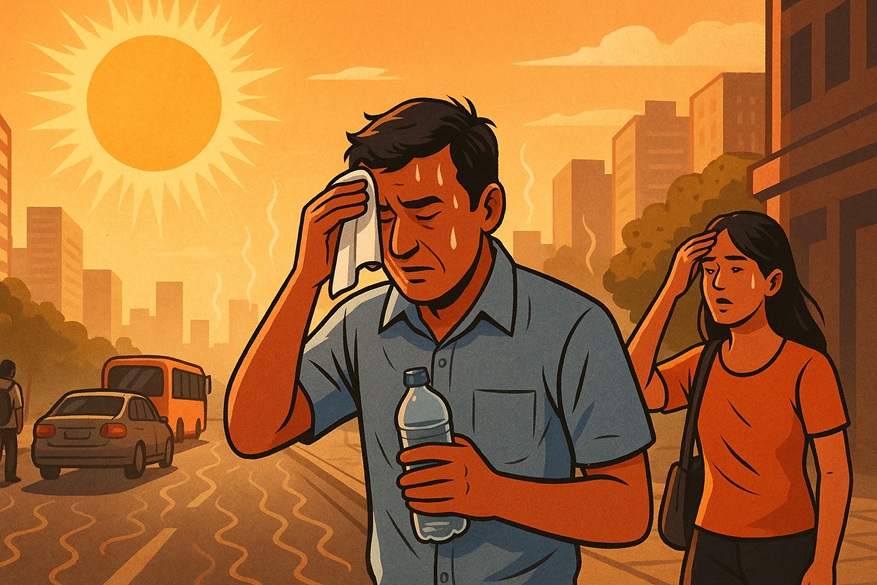
New Delhi, 27th May 2026: As large parts of India continue to grapple with intense heatwave conditions, health experts are warning that the scorching temperatures may be doing more than causing discomfort. According to doctors, prolonged exposure to extreme heat can put significant stress on the cardiovascular system, potentially increasing the risk of heart attacks, particularly among vulnerable individuals.
While heart attacks are often associated with winter months, medical experts say summer heat can be equally dangerous. When temperatures rise, the body works harder to maintain a stable internal temperature. This process causes the heart to pump more blood to the skin, increasing heart rate and placing additional strain on the cardiovascular system.
One of the biggest concerns during extreme heat is dehydration. Excessive sweating can lead to fluid loss, causing blood to become thicker and making it harder for the heart to circulate blood efficiently. This added workload can be especially risky for people with existing heart conditions, high blood pressure, diabetes, or other chronic illnesses.
Experts say older adults remain among the most vulnerable groups, but younger individuals should not assume they are immune. Recent years have seen growing concern over cardiovascular issues among younger populations, driven by factors such as stress, poor sleep, sedentary lifestyles, and undiagnosed health conditions.
Doctors advise people to watch out for warning signs that could indicate heart trouble, including chest discomfort, shortness of breath, unusual fatigue, dizziness, nausea, excessive sweating, and pain radiating to the jaw, neck, shoulder, or arm. Seeking medical attention quickly can be critical if these symptoms appear.
With the India Meteorological Department issuing heatwave alerts across several regions this summer, health authorities are urging people to take precautions. Staying hydrated, avoiding prolonged outdoor activity during peak afternoon hours, wearing loose and breathable clothing, and maintaining a heart-healthy diet can help reduce the risks associated with extreme heat.
Experts also recommend limiting strenuous exercise during the hottest parts of the day and ensuring adequate rest, particularly when nighttime temperatures remain high. Studies suggest that persistently warm nights can prevent the body from cooling down properly, placing additional stress on the heart and reducing recovery time.
As heatwaves become more frequent and intense, doctors stress that people should not ignore the impact of high temperatures on heart health. Taking simple preventive measures and recognising early warning signs could make a significant difference during the summer months.