No Passport, No Hassle: Why Indians Are Suddenly Choosing Pokhara Over Bali This Summer
By Samiccha Malik
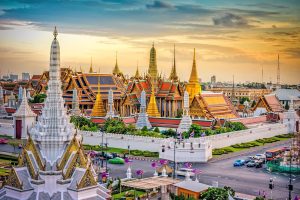
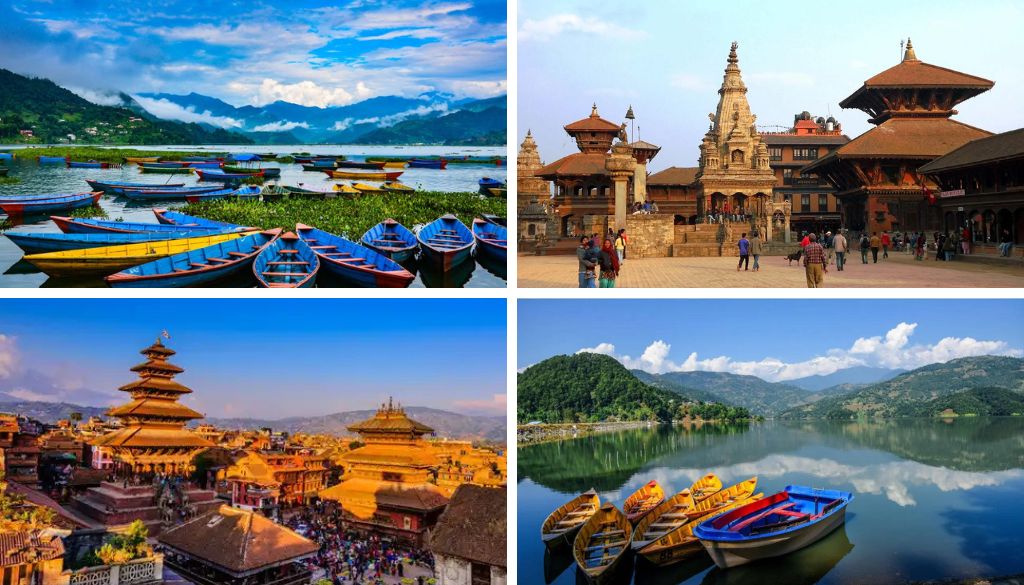
New Delhi, 15th June 2026: If you’ve scrolled through Instagram lately and noticed an unusual number of people posting boat rides on a glassy lake with snow-capped peaks in the background, captioned something like “no visa needed!” you’re not imagining it. Pokhara, Nepal’s laid-back lakeside town, is having a moment with Indian travellers right now, and the reasons behind it say a lot about where things currently stand, both globally and back home.
It Started With a Government Appeal
Here’s the part that might surprise you. Back in May, Prime Minister Modi made an appeal at an event in Hyderabad, urging Indians to cut back on foreign currency spending , avoiding unnecessary overseas travel, reducing gold purchases, and conserving fuel amid rising global oil prices linked to the ongoing US-Israel-Iran conflict.
Now, normally, an appeal like that would just mean people cancel trips altogether. But something interesting happened instead. Rather than dropping travel plans entirely, many Indians simply redirected them toward Nepal, where you don’t need US dollars at all. Indian rupees are widely accepted, which makes the entire “conserve foreign exchange” math work out perfectly.
And the result has been dramatic. Hotel operators in Pokhara say Indian tourist arrivals have surged sharply over just the past two weeks. One hotelier reported that around 60% of his current guests are Indian, with tourist-standard hotels in the city running at over 90% occupancy.
The Honest, Practical Reasons
Beyond the geopolitics, there’s a simpler explanation too – Pokhara is just easy.
Indian tourists can drive their own vehicles straight into Nepal, pay using Indian rupees, make QR code payments, and enter without needing a visa at all. Most arrive through the Birgunj and Sunauli border crossings.
Compare that to the usual overseas trip currency exchange, visa applications, flight bookings months in advance and Pokhara starts to look like the path of least resistance for a quick getaway.
Tourism operators also point to extreme summer heat across South Asia and easier road access to Nepal as additional factors fuelling the surge and notably, this influx is happening during what’s traditionally the off-season following the end of trekking season, giving Nepal’s tourism industry an unexpected boost when it usually slows down.
Lakeside Is Buzzing
If you’ve been to Pokhara before, you’ll know Lakeside the strip along Phewa Lake lined with cafes, boat rentals, and shops is usually the heart of the action. Right now, it’s reportedly busier than ever.
Boat operators have reported that over 5,000 tourists took boat rides on Phewa Lake in a single day, and a notable number of Indian tourists have also been spotted on the trekking routes of the Annapurna region.The volume has been so high that it’s created parking management challenges in Lakeside and put pressure on local traffic management but hotel operators, naturally, are thrilled with the full occupancy.
Krishna Prasad Acharya, Chairman of the Trekking Agencies’ Association of Nepal (TAAN) Gandaki, called this a “happy and positive sign” for the sector especially given that this is technically monsoon season, the traditional off-season.Part of this, according to officials, also comes down to the rising temperatures and ongoing holidays back in India, which have pushed more Indians to make Nepal their primary travel destination.
It’s Not Just Pokhara and Not Just New
This isn’t a completely new phenomenon either it’s been building for a while, and Pokhara is just the latest chapter.
Nepal has been seeing Indian tourists return in record numbers, with hotels in Pokhara, Chitwan, Bhairahawa, and Mustang all reporting growing numbers of Indian guests reflecting a broader shift where Indian travel within Nepal is diversifying beyond just Kathmandu.
Many Indian travellers come for religious pilgrimages particularly to Lumbini, the birthplace of Lord Buddha alongside trekking in the Annapurna and Everest regions, which remain consistently popular draws.
There’s also the simple budget factor: Nepal is genuinely affordable, from hotels to food to local shopping, which makes it an easy choice for travellers who don’t want their holiday to feel like a financial decision.And for the more adventurous crowd, Pokhara and its surroundings offer everything from white-water rafting to bungee jumping and paragliding making it as much an adrenaline destination as a relaxing one.
A Few Honest Caveats
It’s not all smooth sailing, though, and it’s worth knowing this before you book anything.
Despite the positive trend, industry stakeholders caution that Nepal still captures only a small fraction of India’s overall outbound travel market. Past incidents have also disrupted growth before including a 2023 bus accident in the Marsyangdi River that killed 27 Indian tourists, and a series of aviation accidents in recent years that affected Nepal’s international image.
There’s also a slightly bittersweet note for Nepal’s local tourism economy. Many Indian tourists travel in their own vehicles with their own drivers, which means local Nepali tourism businesses see comparatively little benefit drivers tend to stick to easily accessible spots and avoid longer stays or lesser-known attractions. Industry voices have suggested that if Nepali guides and vehicles were used more, tourists would get exposed to a wider range of scenic destinations.
The Bigger Picture
There’s also genuine long-term investment happening to support this growth. Nepal’s 2026/27 budget includes major upgrades to Pokhara International Airport and Gautam Buddha International Airport through public-private partnerships, aimed at increasing international flights and improving regional connectivity specifically to attract more visitors from India, China, the US, and the UK.
So, why Pokhara, why now? Part of it is circumstantial a currency-saving appeal at home, a brutal South Asian summer, and a regional conflict pushing up oil prices, all nudging people toward the path of least resistance. But part of it is also just Pokhara being Pokhara: a lake, mountains, good food, easy borders, and a holiday that doesn’t require a single dollar to be exchanged.
For a lot of Indian travellers right now, that combination is proving very hard to resist.