Pune: CSIR-NCL Study Finds Jamun Honey Low in Glucose, Rich in Antioxidants
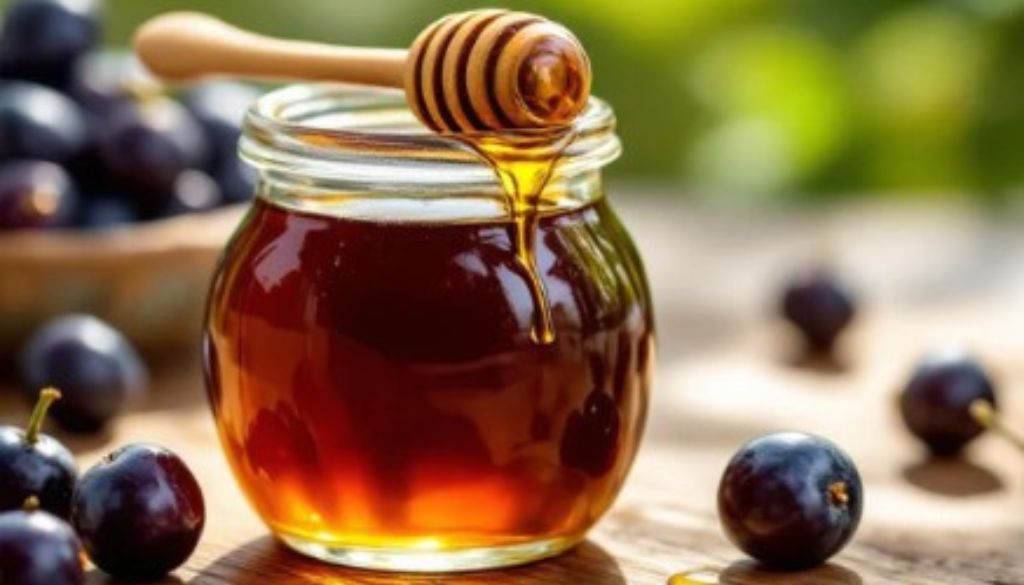
Pune, 17th June 2026: Scientists at the CSIR-National Chemical Laboratory (CSIR-NCL) have found that authentic Jamun honey contains lower glucose levels and higher antioxidant content, providing scientific backing to its reputation as a healthier natural sweetener.
The study analysed 82 authentic Jamun honey samples collected from the Mahabaleshwar region and created the first detailed chemical profile of the honey using advanced techniques such as Nuclear Magnetic Resonance (NMR) and Mass Spectrometry (MS).
Researchers led by Dr. Udaya Kiran Marelli found that Jamun honey consistently contains less glucose and higher fructose levels, a composition associated with a slower release of sugar into the bloodstream. The study also identified several naturally occurring compounds, including phenolic acids and flavonoids, which contribute to its antioxidant properties.
The research team said the findings support the long-held belief that Jamun honey may have a lower glycaemic impact compared to many other sweeteners, while also offering health benefits linked to antioxidants.
The study additionally developed a method to identify genuine Jamun honey through chemical profiling. Researchers noted that conventional pollen-based testing may not always accurately determine the floral source of honey, whereas the new approach generates a unique molecular fingerprint capable of distinguishing authentic Jamun honey from adulterated or mislabelled products.
The findings are expected to aid efforts to improve honey authentication, quality assurance and fraud detection in India amid growing concerns over adulteration.
The research forms part of CSIR-NCL’s initiative to build a national database of Indian honey varieties. The laboratory has also developed a prototype testing platform that can help verify the authenticity and geographical origin of honey and detect adulteration.
The study, titled “Metabolic profiling of Jamun (Syzygium cumini) honey: NMR and HPLC-driven studies uncover low glucose levels and high antioxidant properties,” has been published in the journal Applied Food Research. The publication has been authored by Snehal Sadashiv Waghole, Shirin Hanna Moncy, Sapna Ravindranathan and Udaya Kiran Marelli.