Beyond the Mist: Lonavala’s Best Monsoon Treks and the Safety Challenge
Reported by Priyanshu Banerjee
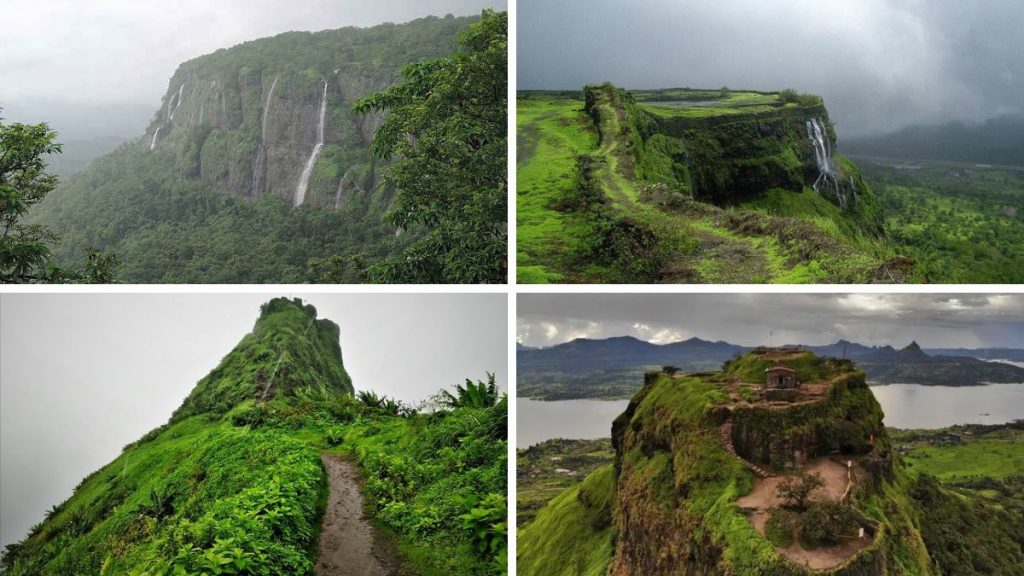
Lonavala, 3rd July 2026: As monsoon clouds engulf the Sahyadri ranges and seasonal waterfalls cascade down the hillsides, Lonavala has once again become a favourite destination for trekking enthusiasts. Every weekend, thousands of visitors from across Maharashtra flock to the hill station, leading to heavy traffic, packed parking areas, and crowded trekking trails.
While the rains transform the region into a picturesque landscape, officials are urging visitors not to overlook the risks associated with monsoon trekking. Slippery rocks, overflowing streams, poor visibility due to dense fog, and overcrowded trails have led to numerous rescue operations in recent years. Authorities stress that safety should be as much a priority as the adventure itself.
Some of Lonavala’s most popular trekking destinations continue to attract large numbers of visitors, each offering a unique mix of history, scenic beauty, and adventure.
Lohagad Fort
One of Maharashtra’s most visited hill forts during the monsoon, Lohagad Fort is known for its relatively easy trek, lush green surroundings, and the iconic Vinchu Kata (Scorpion’s Tail). It remains a favourite among families, first-time trekkers, and photographers. Due to the heavy weekend rush, police and local authorities often regulate traffic and urge visitors to avoid littering and venturing too close to the fort’s edges.
Duke’s Nose (Nagphani)
Adventure enthusiasts continue to flock to Duke’s Nose, popularly known as Nagphani, for its dramatic cliffs and panoramic views of the Mumbai-Pune Expressway, the Missing Link project, and the surrounding valleys. During the monsoon, thick clouds and mist create breathtaking vistas. However, authorities advise trekkers and rappelling enthusiasts to stay away from cliff edges during heavy rain and strong winds.
Korigad Fort
Located near Aamby Valley, Korigad Fort has become a preferred destination for those seeking a blend of history and scenic beauty. Its expansive plateau, ancient fortifications, and sweeping views of mist-covered hills make it particularly attractive during the rainy season. Despite being a moderately easy trek, the moss-covered stone steps can become extremely slippery after continuous rainfall.
Tikona Fort
Overlooking the picturesque Pawna region, Tikona Fort attracts many first-time trekkers with its distinctive triangular peak and commanding views. Although the climb is generally manageable, the narrow rock-cut steps become slippery during the monsoon. Visitors are advised to wear proper trekking shoes and avoid climbing during periods of intense rainfall.
Tung Fort
Trekkers looking for a more challenging climb often head to Tung Fort, which rises steeply above the backwaters of Pawna Dam. The fort rewards climbers with spectacular panoramic views, including a clear view of Tikona Fort from the summit. However, the steep ascent, slippery paths, and strong winds during the monsoon require extra caution. Experienced trekkers recommend checking weather conditions before attempting the climb.
Bhimashankar Trek
The Bhimashankar trek continues to attract nature lovers with its dense forests, waterfalls, and rich biodiversity. Offering one of the most immersive monsoon trekking experiences in Maharashtra, the trail passes through ecologically sensitive areas. Forest officials warn that overflowing streams, slippery terrain, and leeches are common during the season, making proper preparation and trekking in groups essential.
Environmental Concerns
The growing popularity of monsoon trekking has also raised concerns about environmental degradation. Despite repeated awareness campaigns, plastic bottles, food wrappers, and other waste continue to litter several trekking routes. Heritage conservationists have also expressed concern over visitors climbing on fort walls, defacing ancient structures with graffiti, and leaving behind garbage at historical sites.
Safety Measures
Police, forest officials, and local volunteers remain on high alert throughout the monsoon to respond to emergencies. Many rescue operations in recent years have involved trekkers who ignored weather warnings, entered restricted areas, or attempted dangerous selfies near cliffs, waterfalls, and fast-flowing streams.
Authorities have advised visitors to check weather forecasts before setting out, wear trekking shoes with a good grip, avoid alcohol and risky stunts, carry sufficient drinking water and rain gear, and ensure they bring back all waste instead of leaving it behind.
As the monsoon breathes new life into Lonavala’s forts, valleys, and forests, these trekking destinations continue to showcase the unmatched beauty of the Sahyadris. However, officials remind visitors that the true spirit of trekking lies not in conquering a summit, but in returning home safely while preserving the natural environment and historical heritage for future generations.